
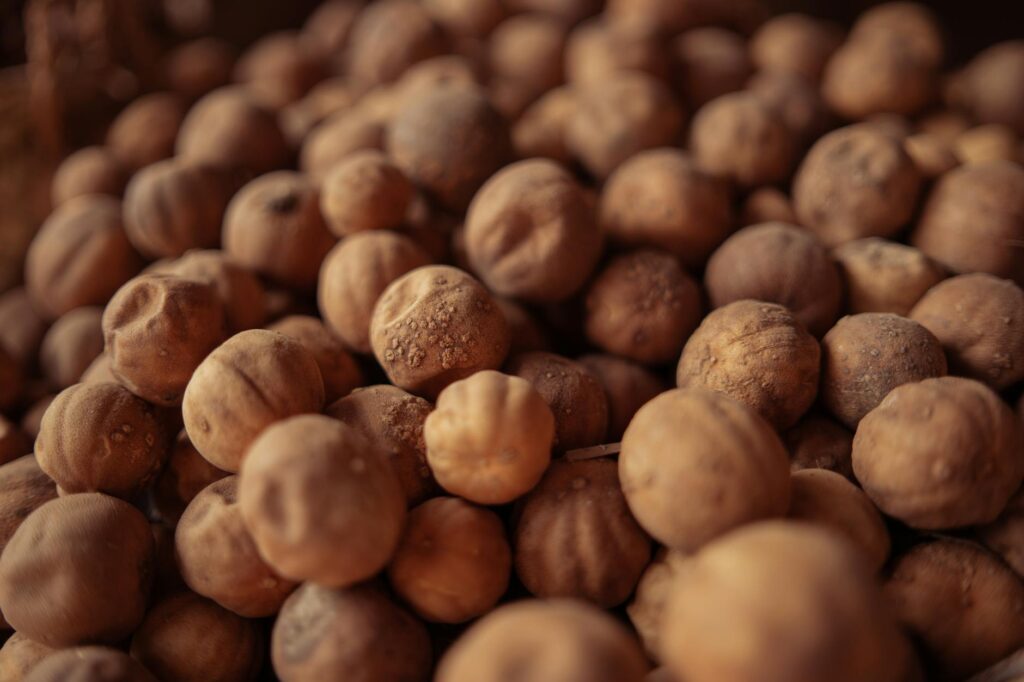
Complete Overview of Kefir Lime
Introduction
Kefir lime, often referred to as “makrut lime,” is a unique citrus fruit known for its aromatic leaves and bumpy, green fruit. This ingredient is indispensable in Southeast Asian cuisine, where it is celebrated for its distinctive flavor and fragrance. Beyond its culinary applications, kefir lime also carries cultural significance and offers various uses in traditional practices. This comprehensive overview aims to provide an in-depth understanding of kefir lime, covering its history, production, quality assessment, and more.
What Is Kefir Lime?
Kefir lime (Citrus hystrix) belongs to the Rutaceae family and is native to tropical regions of Southeast Asia. The fruit features a unique, bumpy exterior, while the leaves are dark green, aromatic, and double-leaved, making them easily identifiable. The flavor profile of kefir lime is complex, with citrus notes complemented by a mildly floral aroma. It is not widely consumed as a fruit but is instead utilized primarily for its leaves and zest in various culinary applications.
History and Origins
Kefir lime has a rich history that traces back to Southeast Asia, where it has been cultivated for centuries. It is believed to have originated in the region encompassing modern-day Thailand, Malaysia, and Indonesia. The fruit is often found in traditional dishes and is considered a staple in the cuisines of several Southeast Asian countries, including Thailand, Indonesia, and the Philippines.
The significance of kefir lime extends beyond culinary uses; it holds a prominent place in traditional medicine and rituals. Ancient practices utilized its leaves and fruit for various purposes, from culinary applications to aromatic uses in religious ceremonies. Over time, kefir lime has spread to other parts of the world, particularly in tropical and subtropical regions where it thrives.
Production and Processing
The cultivation of kefir lime is generally achieved in tropical climates, where the temperature, humidity, and soil conditions are conducive to growth. Trees typically reach a height of about 1.5 to 2 meters and have a bushy appearance. They thrive in well-drained soils and require regular watering, especially during dry seasons.
Harvesting: Kefir limes are harvested when they are still immature, as the flavor intensifies as they ripen. The leaves are often plucked throughout the growing season, allowing for continued harvest without harming the tree.
Processing: Once harvested, the leaves and fruit are typically cleaned and sorted based on size and quality. The leaves can be dried or used fresh, while the fruit may be zested or juiced according to culinary needs. Proper handling is crucial to maintain the aromatic qualities of both the leaves and the fruit.
Quality and Grading
Quality assessment of kefir lime involves evaluating both the leaves and the fruit. Key factors include:
- Aroma: High-quality kefir lime leaves should possess a strong, citrusy fragrance. The aroma diminishes with age or improper storage.
- Color and Texture: Fresh leaves are vibrant green and pliable, while the fruit should be firm, with a bright green hue and a bumpy texture.
- Size: While size can vary, uniformity is often preferred in culinary applications for aesthetic consistency.
- Freshness: Look for vibrant green leaves and firm, unblemished fruit. Avoid any items that show signs of wilting or discoloration.
- Source: If possible, buy from reputable suppliers or local markets that specialize in Southeast Asian ingredients. Organic options may be available, providing assurance of pesticide-free cultivation.
- Storage Conditions: If buying in bulk, ensure that the vendor maintains proper storage conditions to preserve the freshness of the leaves and fruit.
- Packaging: For packaged products, check for intact seals and clear labeling regarding origin and quality.
- Culinary: The leaves are commonly used to flavor soups, curries, and stir-fries. They can be added whole or shredded, releasing their aromatic oils during cooking. The zest and juice of the fruit also contribute to dressings and marinades, enhancing the overall flavor profile of dishes.
- Beverages: Kefir lime’s zest can be infused into drinks, providing a refreshing citrus note. It is also used in cocktails and mocktails, where its unique flavor profile can elevate the overall experience.
- Aromatic Uses: In addition to culinary applications, kefir lime leaves are often used in traditional practices, such as aromatherapy and in the crafting of herbal sachets. Their fragrance is believed to have calming and uplifting effects.
- Cultural Significance: In some cultures, kefir lime is used in rituals or as offerings, showcasing its importance beyond culinary uses.
- Fresh Leaves: Store fresh kefir lime leaves in a sealed plastic bag in the refrigerator. They can typically last up to two weeks when stored properly. For longer storage, leaves can be frozen, retaining their flavor for several months.
- Fruit: Whole kefir limes should also be kept in the refrigerator, where they can last for about a week. For extended shelf life, zest and juice can be frozen in ice cube trays.
- Dried Leaves: If you opt for dried kefir lime leaves, keep them in an airtight container in a cool, dark place. They can retain their flavor for up to six months.
- Not a
Grading typically occurs during the sorting process, with higher grades being reserved for leaves and fruit that meet the above criteria.
Buying Considerations
When purchasing kefir lime, consider the following:
Uses and Applications
Kefir lime is renowned for its versatility in culinary applications. The primary uses include:
Storage and Shelf Life
To maintain the freshness and quality of kefir lime, proper storage is essential:
Common Misconceptions
Despite its popularity, several misconceptions about kefir lime persist: