
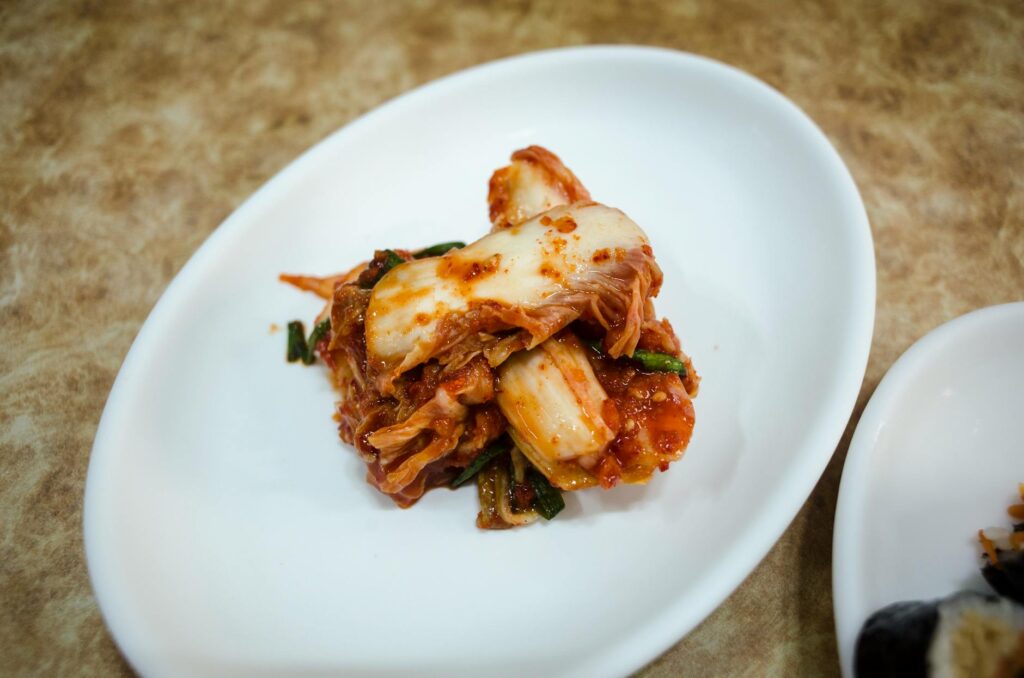
Complete Overview of Kimchi
Introduction
Kimchi, a traditional Korean dish, is more than just a side dish; it is a cornerstone of Korean culinary culture. Known for its complex flavors, vibrant colors, and health benefits, kimchi has gained international popularity in recent years. This fermented vegetable dish, primarily composed of napa cabbage and Korean radishes, is seasoned with a variety of spices and ingredients, making it a versatile component in numerous dishes. This article provides a comprehensive overview of kimchi, exploring its history, production methods, quality standards, and much more.
What Is Kimchi?
Kimchi is a fermented food made primarily from vegetables, predominantly napa cabbage and radishes, combined with a variety of seasonings including garlic, ginger, red pepper flakes (gochugaru), and fish sauce. The fermentation process not only enhances the flavor but also increases the nutritional value of the ingredients, making kimchi a source of probiotics and essential vitamins. Traditionally consumed with rice and other Korean dishes, kimchi has found a place in global cuisine, appearing in everything from tacos to burgers.
History and Origins
The origins of kimchi date back thousands of years. Historical records suggest that the earliest forms of fermented vegetables in Korea can be traced back to the Three Kingdoms period (57 BC – 668 AD). Initially, the fermentation process was utilized as a preservation method, allowing people to store vegetables during the harsh winter months. The use of spicy seasonings began to emerge during the Goryeo Dynasty (918–1392), when red pepper was introduced to Korea from the Americas in the late 16th century.
Over the centuries, kimchi has evolved significantly, with various regional variations emerging based on local ingredients and tastes. Today, there are over 200 different types of kimchi, reflecting the diversity of Korean cuisine.
Production and Processing
The production of kimchi involves a meticulous process that can vary significantly depending on the type of kimchi being made. Generally, the process includes several key steps:
1. Preparation of Ingredients: The primary ingredients, such as napa cabbage and radishes, are cleaned and cut into appropriate sizes. Other ingredients, including garlic, ginger, and gochugaru, are prepared for the seasoning mix.
2. Salting: The cabbage is often salted to draw out moisture, which helps to soften the leaves and create a brine. This step is crucial for both flavor development and the fermentation process.
3. Seasoning: The salted vegetables are coated with a spice mixture that may include a range of ingredients like fish sauce, sugar, and scallions. The mixture is thoroughly massaged into the vegetables to ensure even coating.
4. Fermentation: The seasoned vegetables are then packed tightly into jars or containers, allowing anaerobic fermentation to take place. The duration of fermentation can vary widely, from a few days to several months, depending on the desired flavor profile.
5. Quality Control: During fermentation, the kimchi is monitored for taste, aroma, and texture to ensure it meets quality standards.
Quality and Grading
Quality kimchi is characterized by its balance of flavors, including sweetness, spiciness, and umami. The grading of kimchi often depends on the following factors:
- Fermentation Level: The degree of fermentation affects the flavor and texture. Well-fermented kimchi should have a complex taste profile with a pleasing tang.
- Ingredient Quality: Fresh, high-quality vegetables and spices contribute significantly to the overall quality of the kimchi.
- Appearance: Good kimchi should have vibrant colors and a visually appealing presentation. The ingredients should remain intact and not overly mushy.
- Aroma: A pleasant, slightly sour aroma is a hallmark of well-made kimchi. Off-putting or overly pungent smells may indicate spoilage or poor quality.
- Ingredients: Look for kimchi made with natural ingredients. Avoid products with excessive preservatives or artificial flavors.
- Fermentation Date: Freshness is crucial for flavor and probiotic content. Check the fermentation date and aim to buy kimchi that has been fermented recently.
- Type of Kimchi: Familiarize yourself with the different types of kimchi, such as Baechu (napa cabbage) kimchi, Kkakdugi (cubed radish) kimchi, and Oi Sobagi (stuffed cucumber) kimchi, to choose the variety that best suits your taste.
- Packaging: Glass jars are preferable as they are non-reactive and allow you to see the product. Ensure that the packaging is airtight to preserve freshness.
- As a Side Dish: Traditionally, kimchi is served as a banchan (side dish) alongside rice and main courses in Korean meals.
- In Cooking: Kimchi can be incorporated into a variety of dishes, such as fried rice, stews (kimchi jjigae), pancakes (kimchi jeon), and even salads.
- As a Flavor Enhancer: The unique taste of kimchi makes it an excellent addition to sauces, marinades, and dressings, adding depth and complexity to dishes.
- Fusion Cuisine: With its growing popularity, kimchi has found its way into fusion dishes, appearing in tacos, sandwiches, and even pizza, offering a spicy kick to mainstream foods.
- Refrigeration: Kimchi should be stored in the refrigerator to slow down the fermentation process. This helps preserve its flavor and texture.
- Containers
Buying Considerations
When purchasing kimchi, whether from a store or a local vendor, there are several aspects to consider:
Uses and Applications
Kimchi is incredibly versatile and can be used in various culinary applications:
Storage and Shelf Life
Proper storage is essential to maintain the quality and safety of kimchi. Here are some guidelines: