
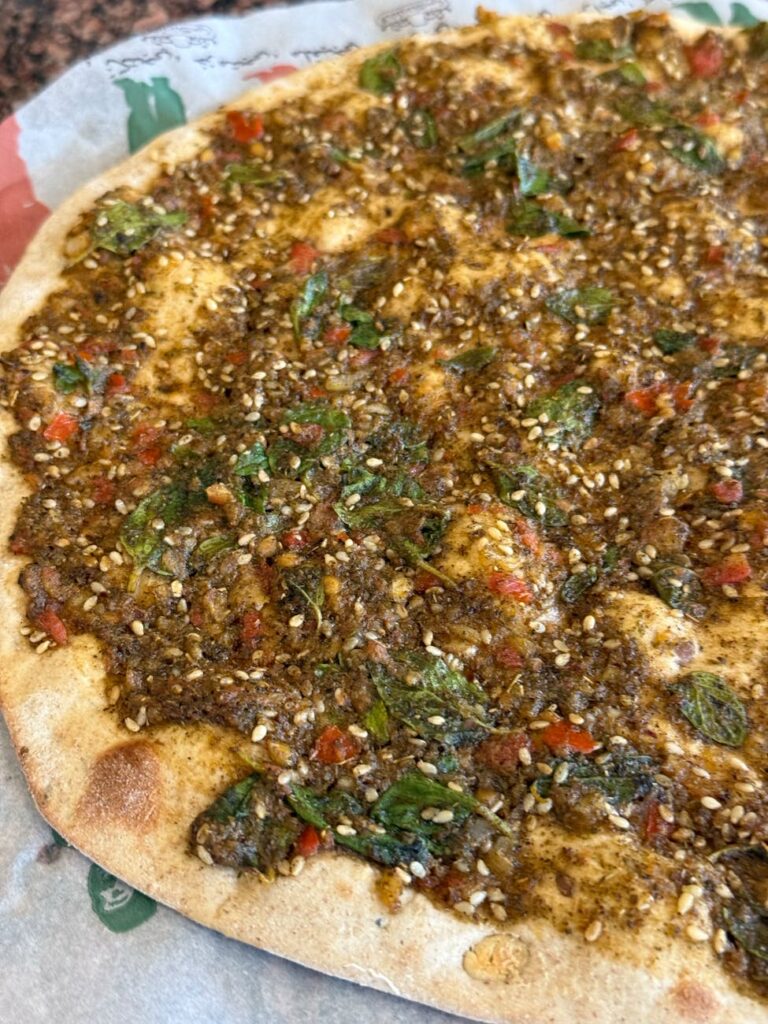
Complete Overview of Lebanese Bread
Introduction
Lebanese bread, often referred to as “pita” or “khubz,” is a staple in Middle Eastern cuisine, cherished for its versatility and unique flavor. This flatbread is not merely a culinary component; it embodies the rich cultural heritage of Lebanon and the broader Levant region. In this overview, we will delve into the various aspects of Lebanese bread, from its historical roots to its production methods, culinary uses, and more.
What Is Guides?
In culinary terminology, “guides” refer to comprehensive resources that provide essential information about specific ingredients, their characteristics, and their applications. For Lebanese bread, these guides serve to educate consumers, chefs, and food enthusiasts about its significance in culinary practices, nutritional properties, and preparation techniques. By exploring these guides, individuals gain a deeper appreciation for this beloved bread, enabling them to incorporate it meaningfully into their culinary endeavors.
History and Origins
The origins of Lebanese bread can be traced back thousands of years, with archaeological evidence suggesting that flatbreads were consumed in the region as early as 14,000 B.C. The bread’s journey through time reflects the cultural and agricultural evolution of Lebanon and its neighboring countries. Traditionally, wheat was cultivated and milled in the fertile lands of the Levant, leading to the creation of various bread types.
Lebanese bread specifically gained prominence during the Ottoman Empire, which facilitated the exchange of culinary practices across the region. It became a staple food, not only for sustenance but also as a vehicle for communal eating—often used to scoop up dips and stews. Today, Lebanese bread continues to symbolize hospitality and is a central element in family gatherings and celebrations.
Production and Processing
The production of Lebanese bread involves several key steps that contribute to its distinctive texture and flavor. The primary ingredients are flour, water, yeast, and salt. The process begins with mixing these ingredients to form a dough, which is then kneaded to develop gluten.
Dough Fermentation
Fermentation is a critical step in the production of Lebanese bread. The yeast ferments the sugars in the dough, producing carbon dioxide, which causes the dough to rise. This process can take anywhere from a few hours to overnight, depending on the desired flavor profile and texture.
Shaping and Baking
Once the dough has risen adequately, it is divided into small portions and shaped into rounds. These discs are then rolled out to achieve a thickness of about 1/4 inch. The next step involves baking the bread in a hot oven or a traditional taboon (a clay oven), which imparts a unique flavor and texture. The high heat causes the water in the dough to evaporate rapidly, resulting in the iconic pocket that allows the bread to puff up.
Quality and Grading
The quality of Lebanese bread is often determined by its texture, flavor, and appearance. A well-made loaf should have a golden-brown exterior, a soft and chewy interior, and a distinctively airy pocket. Grading criteria may include:
- Color: The bread should exhibit an even, light golden hue.
- Texture: A desirable bread will be soft yet sturdy enough to hold fillings without tearing.
- Flavor: The bread should have a mild, slightly nutty taste, free from bitterness.
- As a Wrap: Its pocket makes it ideal for wrapping various fillings, from grilled meats to fresh vegetables and spreads.
- Dipping: Commonly, it is served with dips like hummus, baba ghanoush, or labneh, acting as a vessel for scooping.
- Sandwiches: Lebanese bread can serve as a base for sandwiches, offering a light and flavorful alternative to traditional bread.
- Accompaniment: It is often paired with stews and grilled dishes, enhancing the overall dining experience.
- Short-term Storage: For immediate consumption, keep the bread wrapped in a clean kitchen towel or in a bread box at room temperature. This allows it to breathe while preventing it from drying out.
- Long-term Storage: If not consumed within a few days, Lebanese bread can be frozen. Wrap it tightly in plastic wrap or aluminum foil and place it in an airtight container. When ready to use, thaw at room temperature or warm it in the oven.
- Misconception: All flatbreads are the same.
- Reality: While many cultures produce flatbreads, Lebanese bread has unique characteristics in terms of flavor, texture, and production methods.
- Misconception: Lebanese bread is unhealthy.
- Reality: When made from whole grains and
Consumers are often encouraged to look for bread that is freshly baked, as this enhances both flavor and texture.
Buying Considerations
When purchasing Lebanese bread, several factors should be taken into account to ensure quality:
1. Freshness: Always opt for freshly baked bread. It is best to purchase from local bakeries or markets known for their artisanal products.
2. Ingredients: Read labels to ensure that the bread is made from high-quality flour and minimal additives. Authentic Lebanese bread typically contains no preservatives.
3. Storage: Consider how the bread is stored. Bread that is well-packaged will retain freshness longer.
4. Regional Variations: Be aware of different regional styles. While traditional Lebanese bread is round and soft, variations may exist that reflect local culinary practices.
Uses and Applications
Lebanese bread is incredibly versatile and can be used in a multitude of ways:
Storage and Shelf Life
To maintain the freshness of Lebanese bread, proper storage is essential. Here are some guidelines:
Typically, Lebanese bread has a shelf life of about three to five days at room temperature and up to three months when frozen.
Common Misconceptions
Despite its popularity, several misconceptions about Lebanese bread persist: