
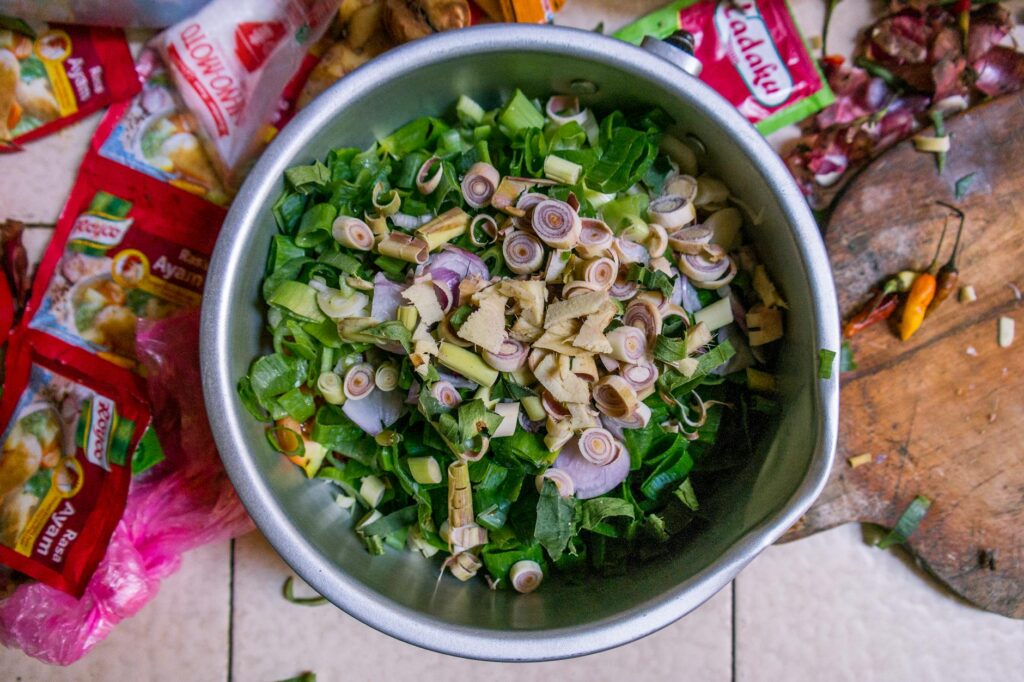
Complete Overview of Lemongrass
Introduction
Lemongrass, a fragrant herb known for its citrus flavor and aroma, has carved a niche for itself in global cuisine and various culinary traditions. Its unique profile not only enhances dishes but also offers a refreshing note that is integral to many recipes. This comprehensive overview will delve into the intricacies of lemongrass, exploring its guides, history, production, and myriad applications.
What Is Guides?
In the context of lemongrass, “guides” refers to the essential information that helps consumers, chefs, and culinary enthusiasts understand the herb’s various aspects. This includes its identification, quality indicators, uses, storage methods, and common misconceptions. The goal of these guides is to equip individuals with the knowledge necessary to select, store, and utilize lemongrass effectively in their culinary endeavors.
History and Origins
Lemongrass, scientifically known as Cymbopogon citratus, is a tropical plant native to Southeast Asia. It has been used for centuries not only in cooking but also in traditional medicine and perfumery. The plant’s origins can be traced back to countries such as India, Sri Lanka, and Indonesia, where it thrived in warm, humid climates.
Historically, lemongrass was utilized by various cultures for its flavor-enhancing properties and its potential health benefits. In Thai cuisine, for instance, it is a fundamental ingredient in dishes like Tom Yum soup, while in Indian cooking, it is often used in curries and teas. The herb’s rise in popularity in Western cuisines can be attributed to the globalization of food, leading to an increasing appreciation for Asian flavors.
Production and Processing
Lemongrass is typically cultivated in tropical and subtropical regions, flourishing in well-drained, loamy soils. The plant prefers a warm climate, with temperatures ranging from 20°C to 30°C (68°F to 86°F). Major producers of lemongrass include countries such as Thailand, Vietnam, India, and Sri Lanka.
The harvesting process usually takes place when the grass reaches a height of about 1 meter (3 feet). Farmers cut the stalks close to the ground, ensuring that the plant can regenerate for future harvesting. Once harvested, lemongrass is typically processed in one of two ways: fresh or dried. Fresh lemongrass is used immediately or can be stored in cool conditions, while dried lemongrass is often ground into a powder for easier use in cooking and seasoning.
Quality control during production is crucial. Factors such as the plant’s age, growth conditions, and harvesting methods can significantly influence the flavor and aroma of the final product. High-quality lemongrass should exhibit a vibrant green color, a firm texture, and a robust citrus fragrance.
Quality and Grading
Quality grading of lemongrass is essential for both producers and consumers. The grading criteria often focus on appearance, aroma, and flavor intensity. High-quality lemongrass should have:
- Appearance: Vibrant green stalks, free from blemishes or discoloration.
- Aroma: A strong, fresh citrus scent that is indicative of the herb’s freshness.
- Texture: Firm and crisp stalks, as opposed to wilted or dried-out specimens.
- Culinary: Lemongrass is widely used in soups, curries, marinades, and teas. Its flavor profile pairs well with seafood, chicken, and vegetable dishes. It can be used whole, sliced, or minced, depending on the desired intensity of flavor.
- Beverages: Lemongrass is often utilized in herbal teas and cocktails. It adds a refreshing note to beverages and can be infused into spirits for unique flavor profiles.
- Aromatics and Infusions: Beyond cooking, lemongrass is used in infusions and aromatics for perfumes, candles, and essential oils. Its aromatic properties make it a popular choice in the fragrance industry.
- Garnishing: Fresh lemongrass stalks can be used as a garnish, adding visual appeal and an aromatic element to dishes.
When purchasing lemongrass, consumers should look for these indicators to ensure they are acquiring a premium product. Additionally, many suppliers will provide information on the source of their lemongrass, which can be a significant factor in assessing quality.
Buying Considerations
When purchasing lemongrass, several factors should be considered to ensure the best quality and freshness. Here are some key points to keep in mind:
1. Fresh vs. Dried: Fresh lemongrass is preferred for its vibrant flavor and aroma, while dried lemongrass is convenient for long-term storage. Evaluate your cooking needs before deciding which form to buy.
2. Source: Knowing the origin of the lemongrass can provide insight into its quality. Some regions are known for producing superior varieties.
3. Seasonality: Lemongrass is typically available year-round, but fresh varieties may be more accessible during specific seasons. Be aware of regional availability.
4. Organic Options: Consider purchasing organic lemongrass to avoid pesticides and chemicals that may affect flavor and quality.
5. Storage Conditions: Check how the lemongrass has been stored prior to purchase. Fresh stalks should be kept cool and moist, while dried varieties should be stored in a dry, dark place.
6. Sustainability: Look for suppliers who engage in sustainable farming practices, as this can impact the quality and environmental footprint of the lemongrass.
Uses and Applications
Lemongrass is celebrated for its versatility in culinary applications. Its distinct citrus flavor makes it a popular choice in various dishes, particularly in Asian cuisines. Here are some common uses: