
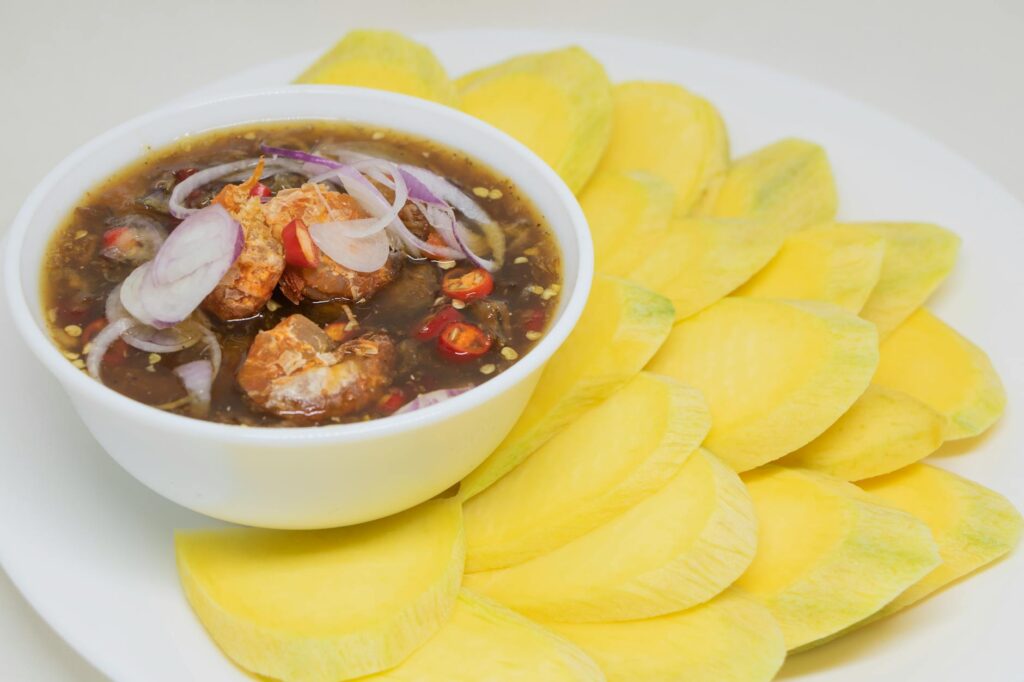
Complete Overview of Mango
Introduction
Mango, often dubbed the “king of fruits,” is celebrated not only for its luscious flavor and vibrant color but also for its cultural significance across various regions. This tropical stone fruit, belonging to the genus Mangifera, has captivated palates worldwide, making it a staple in a multitude of cuisines. In this comprehensive overview, we will delve into the intricate world of mango, exploring its history, production, quality grading, uses, and more.
What Is Guides?
In the context of food ingredients, “guides” serve as essential resources for understanding the nuances of a particular item. They encompass a wide range of topics, from cultivation techniques and processing methods to storage tips and culinary applications. The guide on mango aims to provide a thorough understanding of this fruit—from its origins to its current status in global markets—ensuring that consumers, chefs, and food enthusiasts alike can make informed decisions.
History and Origins
The mango has a storied history that dates back thousands of years. Native to South Asia, particularly the regions of India, Bangladesh, and Myanmar, the mango has been cultivated for over 4,000 years. Ancient texts, including the sacred Hindu scriptures, reference the mango, indicating its cultural and religious significance.
Mangoes spread throughout the world via various trade routes, with the fruit reaching Africa, the Middle East, and eventually the Americas during the colonial era. The introduction of mangoes to the Caribbean and South America in the 18th century allowed the fruit to flourish in new climates, leading to the diverse varieties we enjoy today.
Production and Processing
Mango production is a significant agricultural sector in many countries, with India being the largest producer, contributing over 40% of the world’s supply. Other notable producers include China, Thailand, Indonesia, and the Philippines. The climate plays a crucial role in mango cultivation; these trees thrive in tropical and subtropical regions where they receive ample sunlight and warm temperatures.
Cultivation Practices
Mango trees prefer well-drained, sandy soil and require a specific balance of water and nutrients. Farmers often use grafting techniques to propagate desirable varieties, ensuring consistency in flavor and quality. The flowering and fruiting cycle typically spans from late winter to early summer, depending on the geographic region.
Processing Techniques
Once harvested, mangoes undergo various processing stages to enhance their shelf life and usability. Common methods include washing, sorting, and packing. For export, mangoes may be treated with ethylene gas to promote ripening or processed into juice, puree, or dried snacks. Each method aims to maintain the fruit’s flavor while extending its marketability.
Quality and Grading
The quality of mangoes is determined by several factors, including size, color, texture, and sugar content. In many countries, mangoes are graded according to established standards.
Grading Criteria
1. Size: Larger mangoes generally fetch higher prices. They are often classified by weight.
2. Color: A vibrant, uniform color indicates ripeness and quality.
3. Texture: A firm yet slightly yielding fruit suggests optimal ripeness.
4. Sugar Content: The sweetness of the fruit is an essential quality marker.
Mangoes are typically classified into grades such as A, B, and C, with Grade A representing the highest quality suitable for fresh consumption. Understanding these grading standards can aid consumers in selecting the best fruit at markets.
Buying Considerations
When purchasing mangoes, several factors can help ensure that you select the best fruit available.
Visual Inspection
Look for mangoes with a rich color and minimal blemishes. While some varieties may have green skin when ripe, a general rule of thumb is to choose mangoes that exhibit vibrant hues.
Feel and Texture
A ripe mango should yield slightly to pressure when gently squeezed. Avoid fruit that feels overly hard or mushy, as these can indicate under-ripeness or overripeness, respectively.
Aroma
A ripe mango emits a sweet, fruity aroma near the stem end. This fragrance is a strong indicator of its ripeness and potential flavor profile.
Seasonality
Mangoes have specific seasons depending on the variety and region. Familiarizing yourself with peak seasons can enhance your chances of finding the freshest fruits. Generally, the main mango season in the Northern Hemisphere spans from April to July.
Uses and Applications
Mangoes are incredibly versatile, finding their way into a plethora of dishes and applications across global cuisines.
Culinary Uses
1. Fresh Consumption: Ripe mangoes can be eaten raw as a snack or dessert.
2. Salads: They add a tropical flair to salads, providing a sweet contrast to leafy greens.
3. Smoothies and Juices: Mangoes are a popular ingredient in smoothies and beverages for their creamy texture and sweetness.
4. Salsas and Sauces: Diced mango is often used in salsas, enhancing flavors with its sweetness and acidity.
5. Desserts: From sorbets to cakes, mangoes are frequently incorporated into sweet dishes.
Non-Culinary Uses
Beyond the kitchen, mangoes also have applications in cosmetics and natural skincare products, where their extracts are valued for their moisturizing properties.
Storage and Shelf Life
Proper storage is crucial for maintaining the quality of mangoes post-purchase.
Ripe Mangoes
Once ripe, mangoes should be stored in the refrigerator to slow down the ripening process. They can typically last for 5-7 days when refrigerated.
Unripe Mangoes
Unripe mangoes should be stored at room temperature until they ripen fully. Placing them in a paper bag with other ethylene-producing fruits, such as bananas or apples, can speed up the ripening process.
Frozen Mangoes
For long-term storage, mangoes can be