
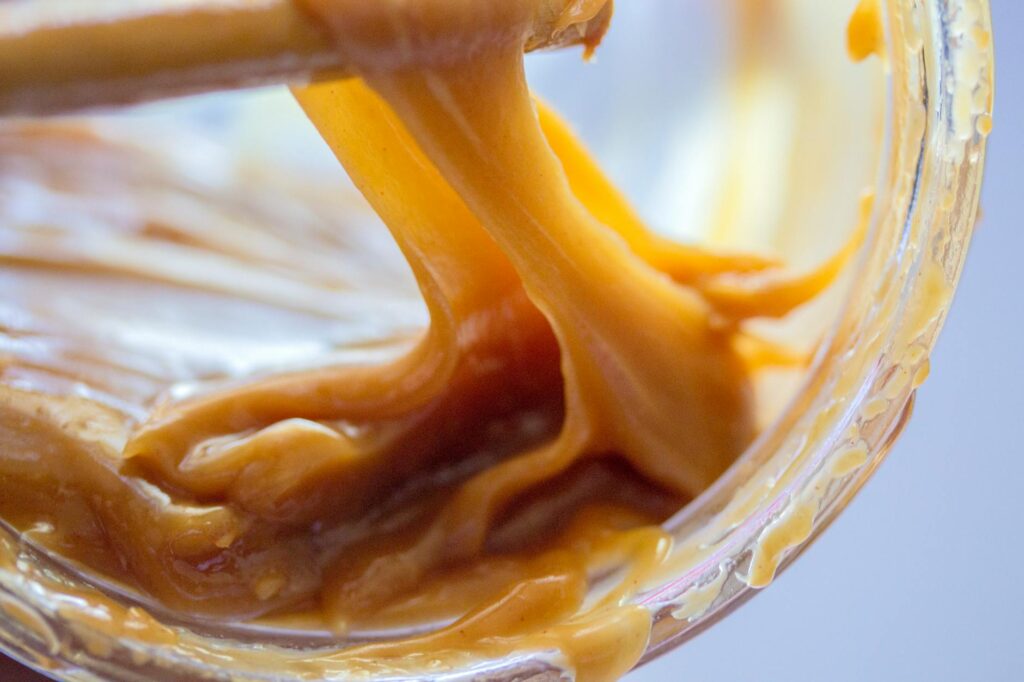
Complete Overview of Miso Caramel
Introduction
Miso caramel is an innovative fusion ingredient that marries the umami-rich flavor of miso with the sweet, buttery characteristics of caramel. This unique blend offers a versatile component for both savory and sweet dishes, captivating chefs and home cooks alike with its complex flavor profile. As the culinary world continues to explore the boundaries of flavor, miso caramel stands out as a testament to the creative possibilities that arise when traditional ingredients are reimagined.
What Is Miso Caramel?
Miso caramel is a sauce or condiment that combines miso paste—a fermented soybean product—with caramel, which is typically made from sugar, butter, and cream. The result is a rich, sweet, and savory concoction that can enhance a variety of dishes. The depth of flavor inherent in miso gives the caramel a unique twist, allowing it to serve as a versatile ingredient in both sweet and savory applications.
The balance of sweetness from the caramel counteracts the saltiness and umami of the miso, creating a harmonious amalgamation that can elevate dishes from simple desserts to sophisticated entrees.
History and Origins
The roots of miso date back over a thousand years in Japan, where it has served as a staple in Japanese cuisine. Miso itself is made through the fermentation of soybeans with salt and a type of mold called koji. The advent of caramel, on the other hand, can be traced back to ancient Mediterranean cultures, where sugar was first crystallized and later cooked to create various confections.
The contemporary pairing of miso and caramel is a relatively modern culinary innovation, emerging in the late 20th and early 21st centuries. As chefs began to experiment with the intersection of sweet and savory flavors, miso caramel gained traction in fine dining and gourmet cooking, particularly in fusion cuisine. This trend reflects a broader movement within gastronomy that seeks to challenge traditional flavor pairings and embrace new culinary horizons.
Production and Processing
To produce miso caramel, one must start with high-quality ingredients. The primary components include:
1. Miso Paste: There are various types of miso, including white (shiro), red (aka), and mixed (awase). The choice of miso affects the final flavor of the caramel. White miso, for instance, is milder and sweeter, while red miso is stronger and saltier.
2. Sugar: Granulated sugar is typically used for caramelization. The sugar must be heated until it melts and turns a golden brown, at which point it develops its characteristic flavor.
3. Butter and Cream: These ingredients add richness and a creamy texture to the caramel. The proportion of butter and cream can be adjusted to achieve the desired consistency.
The process usually involves melting the sugar and allowing it to reach the right temperature for caramelization, followed by the careful incorporation of butter and cream. The miso paste is then mixed in, and the blend is stirred until fully combined.
Quality and Grading
The quality of miso caramel is determined by several factors:
1. Ingredient Quality: Premium miso paste, preferably organic, and high-quality sugar, butter, and cream will yield a superior product. The flavor of the miso should be well-balanced and not overly salty.
2. Texture: A well-made miso caramel should be smooth and glossy without any graininess. The right balance of ingredients ensures that it has a velvety mouthfeel.
3. Flavor Balance: The ideal miso caramel will exhibit a harmonious balance between sweetness and umami. It should not be overly sweet or overpoweringly salty.
4. Aroma: Good miso caramel should have a complex fragrance, combining the nutty notes of caramel with the robust aroma of miso.
When purchasing miso caramel, consumers may find products labeled with tasting notes, suggesting the specific type of miso used and its flavor profile.
Buying Considerations
When looking to purchase miso caramel, consider the following:
1. Type of Miso: Different types of miso will lend distinct flavors to the caramel. White miso will result in a sweeter product, while red miso will impart deeper umami notes.
2. Brand Reputation: Opt for brands known for quality ingredients and artisanal production methods. Reading reviews and seeking recommendations can guide you toward reputable producers.
3. Packaging: Check for proper packaging that preserves freshness. Glass jars are often preferable as they protect the contents from light and air.
4. Ingredients List: Always read the ingredients label to avoid additives or preservatives that might detract from the quality of the product.
5. Local vs. Imported: While many excellent options exist locally, imported miso caramel can offer unique flavors that reflect specific regional ingredients and methods.
Uses and Applications
Miso caramel is an incredibly versatile ingredient that can be applied in numerous culinary contexts:
1. Desserts: Drizzle miso caramel over ice cream, panna cotta, or cakes for a sophisticated twist. It pairs beautifully with flavors like chocolate, vanilla, and even fruit.
2. Savory Dishes: Use miso caramel as a glaze for roasted vegetables, meats, or seafood. It can add an unexpected depth to dishes like grilled chicken or glazed carrots.
3. Salad Dressings: Incorporate miso caramel into vinaigrettes for a unique flavor profile that can elevate simple salads.
4. Dipping Sauces: Serve miso caramel as a dip for fresh fruits, such as apple wedges or pears, or as a complement to cheese boards.
5. Cocktails: Mix miso caramel into cocktails for a distinctive sweet and savory flavor. It can serve as a base for innovative drinks or a garnish for classic cocktails.
The versatility of miso caramel makes it a