
Complete Overview of Miso Paste
Introduction
Miso paste, a fermented soybean product originating from East Asia, has gained global prominence as a versatile ingredient in contemporary culinary practices. Traditionally associated with Japanese cuisine, miso is celebrated not only for its rich umami flavor but also for its nutritional benefits. This comprehensive guide delves into the intricacies of miso paste, exploring its history, production methods, quality indicators, and various applications in cooking.
What Is Miso Paste?
Miso is a thick paste made from fermented soybeans, salt, and a fermenting agent known as koji, which is typically a type of mold. The fermentation process transforms the raw ingredients into a flavorful, complex paste that can enhance various dishes. Miso is available in several varieties, each characterized by its specific ingredient ratios, fermentation time, and flavor profile. Its primary varieties include white (shiro), yellow (shinshu), and red (aka) miso, each offering a unique taste experience.
History and Origins
The origins of miso can be traced back over a thousand years to ancient China, where it was known as “jiang” and served as a staple condiment. The technique of fermenting soybeans spread to Japan, where it was embraced and adapted into various regional styles. By the 7th century, miso had become an integral part of Japanese cuisine. The use of miso expanded throughout Japan, leading to the development of distinct regional varieties. Today, miso is not only prominent in Japanese cooking but has also gained international recognition, influencing culinary practices worldwide.
Production and Processing
The production of miso is a meticulous process that involves several key steps:
1. Ingredient Selection: The primary ingredients—soybeans, koji, and salt—are carefully chosen. High-quality soybeans are essential for a superior miso paste.
2. Soaking and Cooking: Soybeans are soaked in water to rehydrate and then boiled until tender. The texture influences the final product’s mouthfeel.
3. Koji Preparation: Koji is prepared by inoculating steamed rice or barley with Aspergillus oryzae spores. This mold ferments the sugars in the grains, which are later combined with the soybeans.
4. Fermentation: The cooked soybeans, koji, and salt are mixed and placed in fermentation vessels. The duration of fermentation can range from weeks to several years, with longer fermentation periods resulting in deeper flavors and darker colors.
5. Maturation and Packaging: After fermentation, the miso is allowed to mature. It is then blended to achieve a uniform texture before being packaged for distribution.
The entire process of making miso reflects a profound connection to tradition, with artisanal methods often passed down through generations.
Quality and Grading
Quality miso is determined by several factors, including:
- Fermentation Time: Longer fermentation typically yields a more complex flavor.
- Ingredient Quality: The use of organic or non-GMO soybeans can elevate the overall quality.
- Texture and Color: High-quality miso should have a smooth texture and an appealing color that corresponds to its type.
- White Miso (Shiro): Mild and sweet, fermented for a shorter period.
- Yellow Miso (Shinshu): A balance of sweetness and saltiness, with a longer fermentation time than white miso.
- Red Miso (Aka): Stronger, saltier, and more robust in flavor, aged for an extended period.
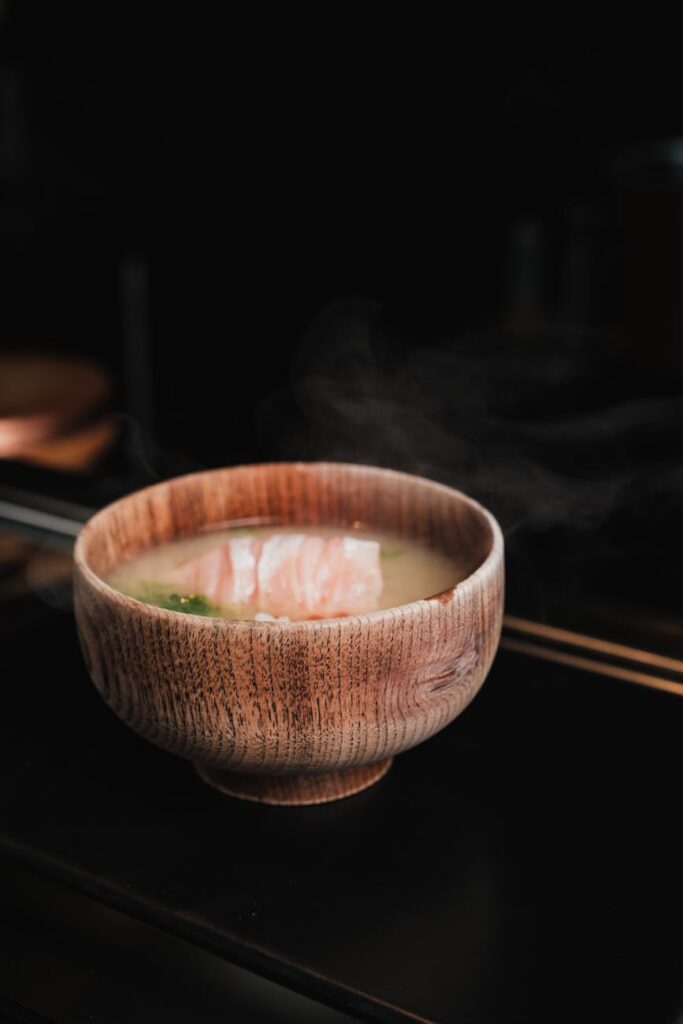
- Soups: Miso soup is perhaps its most famous application, serving as a warm, comforting dish often enriched with tofu, seaweed, and scallions.
- Dressings and Marinades: Miso can add depth to salad dressings and marinades, providing a savory umami flavor that enhances vegetables and proteins alike.
- Sauces: It can be incorporated into sauces for meats, vegetables, and even desserts, showcasing its versatility.
- Spreads and Dips: Miso can be blended with other ingredients to create flavorful spreads for sandwiches or dips for vegetables.
- Baking: Innovative chefs have begun to incorporate miso into baked goods, where its umami flavor adds complexity to cookies, cakes, and breads.
Miso is often graded based on its flavor intensity, texture, and color. The primary categories include:
These categories help consumers select the appropriate type of miso for their culinary needs.
Buying Considerations
When purchasing miso paste, several factors should be considered:
1. Type of Miso: Choose based on the intended use. White miso is ideal for dressings and marinades, while red miso is better suited for heartier soups and stews.
2. Ingredient Label: Look for miso made with high-quality ingredients, preferably organic soybeans and natural koji. Avoid misos with artificial additives or preservatives.
3. Packaging: Miso is typically sold in plastic tubs or vacuum-sealed pouches. Ensure that the packaging is intact to preserve freshness.
4. Local Varieties: Explore local artisan miso producers, which may offer unique flavors that reflect regional ingredients and fermentation techniques.
5. Allergies and Dietary Restrictions: Be mindful of gluten content, as some miso varieties are made with barley, which contains gluten. There are gluten-free options available.
Uses and Applications
Miso paste is a culinary chameleon, finding its way into a myriad of dishes:
The adaptability of miso makes it a staple in both traditional and modern cooking, allowing for creative interpretations across various cuisines.
Storage and Shelf Life
Proper storage is essential for maintaining the quality of miso paste. It should be kept in a cool, dark place, such as a refrigerator, to prolong its shelf life. Once opened, miso can