
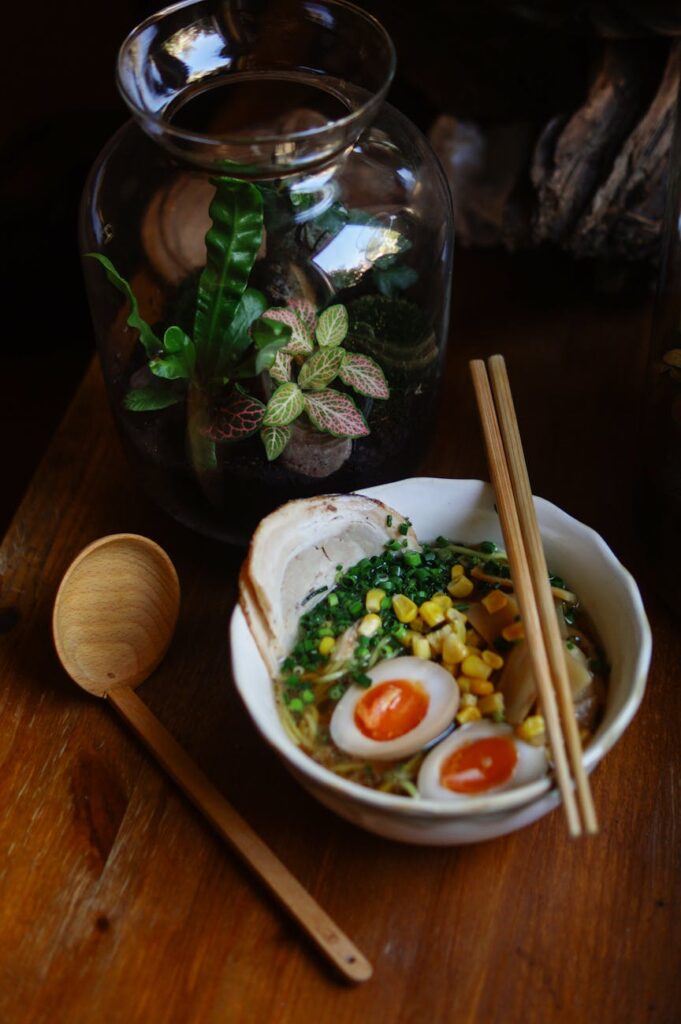
Complete Overview of Miso Ramen Broth
Introduction
Miso ramen broth is a cornerstone of Japanese cuisine, celebrated for its rich flavor profile and versatility. This savory broth serves not only as a base for ramen but also as a complex ingredient that embodies the essence of umami. The interplay of miso paste with other components creates a unique culinary experience that has garnered global appreciation. This article delves into the multifaceted world of miso ramen broth, exploring its history, production processes, quality considerations, and much more.
What Is Miso Ramen Broth?
Miso ramen broth is a type of soup base used in ramen, characterized by the incorporation of miso paste, a fermented soybean product. This broth is known for its creamy texture and robust flavor, which can range from sweet to savory, depending on the type of miso used. Typically, miso ramen broth combines various elements such as dashi (Japanese stock), vegetables, and seasonings, resulting in a complex flavor that complements the noodles and toppings.
History and Origins
The history of miso ramen broth can be traced back to the early 20th century, particularly in Hokkaido, Japan. Miso itself has been a staple in Japanese cuisine for over a thousand years, used initially in soups and as a seasoning. The combination of miso with ramen noodles emerged as a popular dish post-World War II, when food scarcity prompted innovative culinary adaptations.
The first miso ramen is believed to have been created in Sapporo, Hokkaido, where the cold climate favored hearty, warming dishes. Over the decades, miso ramen has evolved, with regional variations emerging, each showcasing unique local ingredients and preparation methods. Today, miso ramen is enjoyed worldwide, transcending its humble beginnings to become an iconic representation of Japanese culinary art.
Production and Processing
The production of miso ramen broth involves several key steps, beginning with the selection of high-quality miso paste. Miso is made through the fermentation of soybeans, rice, or barley with salt and a specific mold called Koji. The fermentation process can take anywhere from a few months to several years, resulting in different flavor profiles and textures.
Components of Miso Ramen Broth
1. Miso Paste: The primary ingredient, miso is available in various types—white (shiro), red (aka), and mixed (awase)—each imparting distinct flavors. White miso is milder and sweeter, while red miso is more robust and salty.
2. Dashi: This traditional Japanese stock can be made from kombu (kelp) and bonito flakes (dried fish) or from shiitake mushrooms for a vegetarian option. Dashi adds depth and umami to the broth.
3. Aromatics and Vegetables: Common additions include garlic, ginger, scallions, and onions, which enhance the broth’s flavor profile.
4. Seasoning: Soy sauce, sake, and mirin may also be incorporated to elevate the taste, providing a balance of sweetness and saltiness.
The preparation of miso ramen broth typically involves simmering these ingredients together, allowing the flavors to meld. The result is a fragrant and flavorful broth that can be adjusted to suit individual preferences.
Quality and Grading
The quality of miso ramen broth is essential for achieving the desired flavor and authenticity. Several factors contribute to the grading and quality of miso used in the broth:
1. Type of Miso: Different types of miso have varying flavor profiles, and the choice of miso can significantly affect the overall taste of the broth.
2. Fermentation Time: Miso that has been fermented longer tends to have a deeper flavor, making it suitable for more robust broths.
3. Ingredients: The quality of dashi, aromatics, and any additional seasonings are crucial in crafting a well-balanced broth.
4. Craftsmanship: The skill and technique of the chef or producer play a significant role in the final product. Traditional methods often yield superior flavors.
When purchasing miso paste for ramen broth, look for products that use organic soybeans and natural fermentation processes. Many reputable brands will provide information on their fermentation time and sourcing.
Buying Considerations
When selecting miso ramen broth or its components, several factors should be considered to ensure the best quality and flavor:
1. Miso Type: Choose based on your flavor preference; white miso for sweetness, red miso for a stronger taste, or a blend for complexity.
2. Freshness: Check the expiration date on miso paste and other ingredients. Fresh miso will have a vibrant color and a pleasant aroma.
3. Packaging: Miso is often sold in tubs or vacuum-sealed packs. Ensure that packaging is intact and stored properly to maintain freshness.
4. Local vs. Imported: While local products may offer freshness, imported miso from Japan often adheres to traditional methods that can provide an authentic experience.
5. Dietary Preferences: For those with dietary restrictions, various types of miso are available, including gluten-free options. Always check the labeling for allergens and ingredients.
Uses and Applications
Miso ramen broth is primarily used as a base for ramen dishes, but its applications extend beyond noodles. Here are some common uses:
1. Ramen: The most popular application, where the broth serves as the foundation for various toppings like chashu (braised pork), menma (bamboo shoots), and nori (seaweed).
2. Soups and Stews: Miso broth can be adapted for other soups and stews, providing a rich, savory base.
3. Sauces and Marinades: The broth can be reduced and used as a sauce for grilled meats or as