
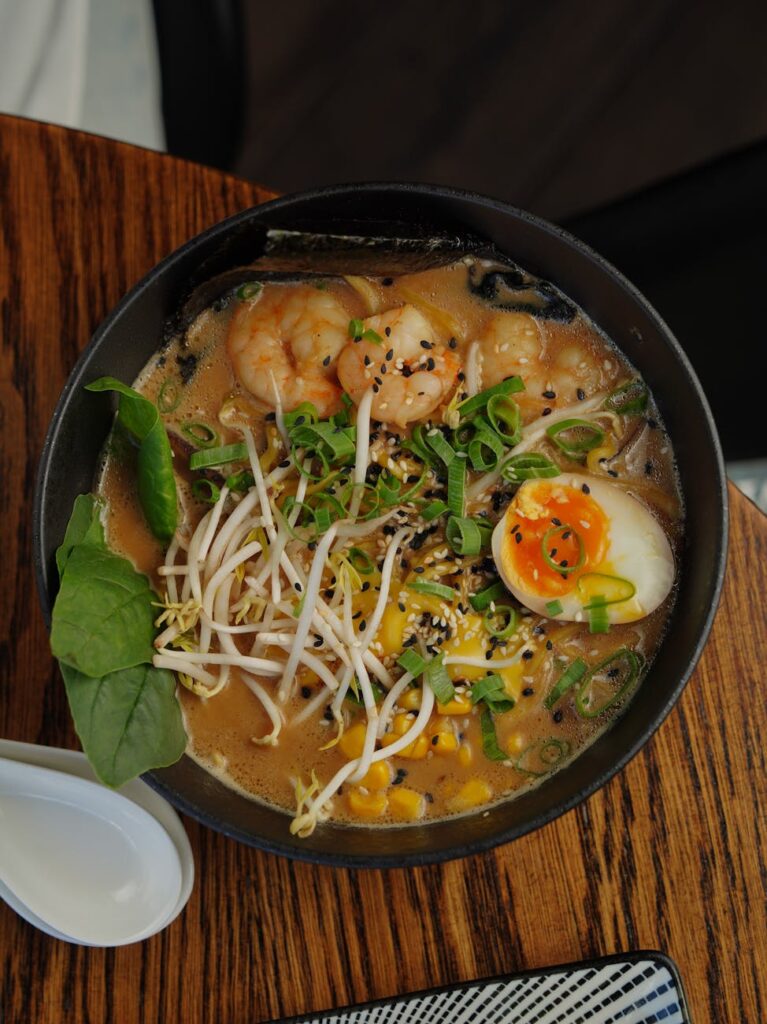
Complete Overview of Miso Ramen Noodles
Introduction
Miso ramen noodles are a celebrated staple in Japanese cuisine, known for their unique flavor profile and versatility. These noodles serve as a base for the rich, savory miso broth, which is a hallmark of this beloved dish. While ramen has gained international popularity, the specific nuances and characteristics of miso ramen noodles deserve careful examination. This article aims to provide a comprehensive guide to miso ramen noodles, covering their history, production methods, quality considerations, and much more.
What Is Guides?
In the context of food ingredients, “Guides” refer to comprehensive resources that inform readers about various aspects of a specific ingredient. These guides delve into the ingredient’s history, production methods, uses, and nuances, helping consumers and culinary professionals make informed decisions. For miso ramen noodles, a guide serves to illuminate their unique characteristics, nutritional aspects, and culinary applications, ultimately enriching the dining experience.
History and Origins
Miso ramen noodles trace their origins back to Japan, where ramen itself became a culinary phenomenon in the early 20th century. The introduction of miso as a flavoring agent can be attributed to the city of Sapporo, located in Hokkaido, which is known for its distinct miso ramen variations. The use of miso in ramen reflects Japan’s agricultural practices, where fermented foods have long been integral to the diet and culture.
The popularity of miso ramen surged in the post-World War II era, partly due to the increasing availability of wheat and the growing interest in Western-style fast food. Today, miso ramen is enjoyed worldwide, celebrated for its hearty flavor and comforting qualities.
Production and Processing
Miso ramen noodles are made from high-quality wheat flour, water, salt, and kansui (alkaline mineral water). The presence of kansui is crucial, as it gives ramen its distinctive chewy texture and yellow tint. The production process typically involves several key steps:
1. Mixing and Kneading: Flour, water, and salt are combined and kneaded to create a dough. The ratio of ingredients can vary depending on the desired texture and flavor.
2. Resting: The dough is allowed to rest, which helps develop gluten and enhances the noodle’s elasticity.
3. Sheeting and Cutting: The rested dough is rolled out into thin sheets and cut into noodle strands. The thickness and shape of the noodles can vary based on regional preferences.
4. Drying or Fresh Preparation: Noodles can be dried for shelf stability or used fresh. Fresh noodles generally provide a superior texture and flavor.
5. Packaging: The final product is packaged for distribution, ensuring it retains its quality and flavor.
Quality and Grading
The quality of miso ramen noodles can vary significantly based on several factors, including the choice of wheat, manufacturing techniques, and regional traditions. When assessing the quality, consider the following grading criteria:
- Texture: High-quality noodles should be firm yet tender, with a chewy consistency that holds up well in broth.
- Color: The noodles typically have a golden-yellow hue, indicative of proper kansui usage.
- Flavor: While the noodles themselves should have a mild, wheaty flavor, they should complement the miso broth without overpowering it.
- Freshness: Fresh noodles are often preferred for their superior texture and flavor. When purchasing dried noodles, check for packaging dates to ensure freshness.
- Type: Determine whether you prefer fresh or dried noodles. Fresh noodles are often found in refrigerated sections, while dried options are shelf-stable.
- Brand Reputation: Opt for reputable brands known for their quality. Look for those that specialize in traditional Japanese noodles.
- Ingredients: Check the ingredient list for authenticity. High-quality noodles should contain minimal additives and preservatives.
- Texture and Shape: Consider the noodle’s thickness and shape, as these can affect cooking times and the overall dining experience.
- Storage Requirements: Be aware of storage needs, especially for fresh noodles that may have a shorter shelf life.
- Ramen Dishes: The most obvious application is in miso ramen, where the noodles are served in a rich broth made from fermented soybean paste, often accompanied by toppings such as sliced pork, green onions, and soft-boiled eggs.
- Stir-Fries: Miso ramen noodles can be sautéed with vegetables and proteins for a quick stir-fry, providing a hearty base.
- Salads: Chilled miso ramen noodles can be tossed with fresh vegetables and light dressings for a refreshing salad.
- Soups: Utilize the noodles in various soup dishes, where they can soak up the flavorful broth.
- Fresh Noodles: These should be stored in the refrigerator and are best consumed within a week. Freezing can extend their shelf life to several months, but it may slightly alter their texture.
- Dried Noodles: These have a longer shelf life and can be stored in a cool, dry place for up to a year or more. Ensure the packaging is sealed to prevent moisture absorption.
- All Ramen
Buying Considerations
When buying miso ramen noodles, several factors should be considered to ensure you are selecting a high-quality product:
Uses and Applications
Miso ramen noodles are incredibly versatile and can be used in various culinary applications beyond the traditional bowl of ramen. Here are some common uses:
Storage and Shelf Life
The storage and shelf life of miso ramen noodles depend on whether they are fresh or dried:
Regardless of the type, always check for signs of spoilage, such as an off smell or discoloration, before use.
Common Misconceptions
Miso ramen noodles are often surrounded by misconceptions that can lead to confusion about their preparation and use. Here are some clarifications: