
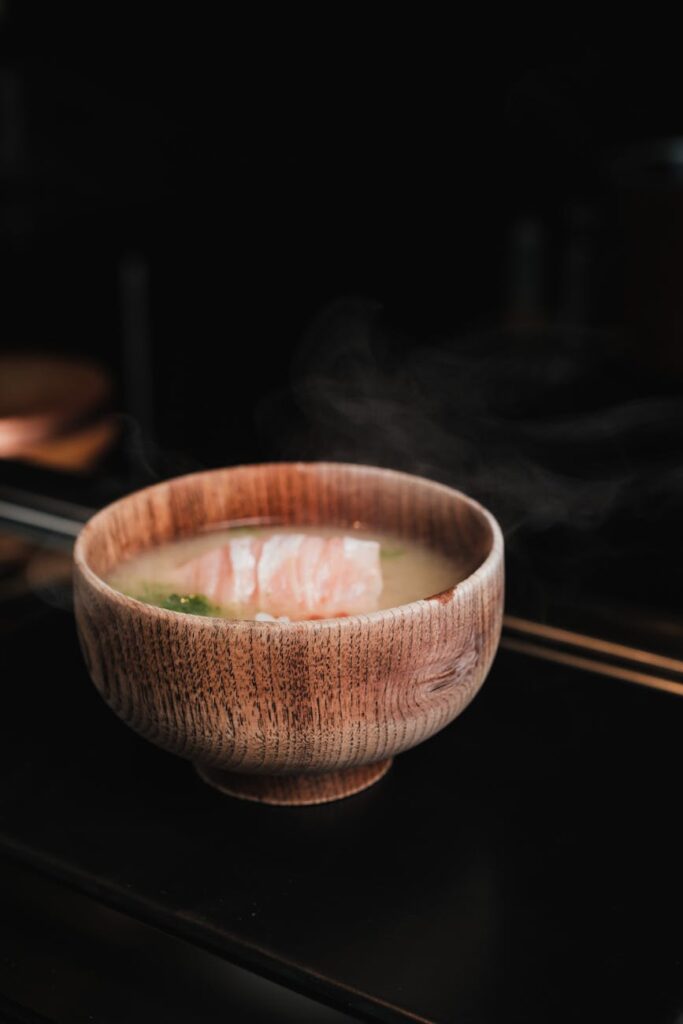
Complete Overview of Miso Soup
Introduction
Miso soup is a quintessential dish in Japanese cuisine, revered for its umami flavor and nutritional benefits. This simple yet profound soup, primarily composed of miso paste, a fermented soybean product, reflects centuries of culinary tradition and innovation. As a staple in Japanese households and restaurants, miso soup serves as both a nourishing meal and a cultural symbol. This article aims to provide a comprehensive overview of miso soup, exploring its history, production, quality, uses, and common misconceptions.
What Is Miso Soup?
Miso soup is a traditional Japanese soup characterized by its base of miso paste, which is produced through the fermentation of soybeans, rice, or barley with salt and the mold Aspergillus oryzae. The soup typically features dashi, a fish or seaweed stock, and may incorporate various ingredients such as tofu, seaweed, and green onions. Its flavor profile ranges from subtly salty to rich and complex, depending on the type of miso used. Miso soup is often enjoyed as a starter or side dish, complementing a variety of Japanese meals.
History and Origins
The origins of miso soup can be traced back to ancient China, where fermented soybean products were first developed around 300 B.C. The technique made its way to Japan during the 7th century, evolving into the unique culinary tradition we recognize today. Initially, miso was a luxury item consumed by the elite, but it gradually became a common household ingredient. By the Edo period (1603-1868), miso soup began to appear in various forms across Japan, symbolizing regional variations in ingredients and preparation methods. The post-war era saw a surge in the popularity of miso soup, both domestically and internationally, as Japanese culture expanded globally.
Production and Processing
Miso production involves a meticulous fermentation process that can take anywhere from a few weeks to several years. The primary ingredients—soybeans, grain (such as rice or barley), salt, and koji (the fermentation starter)—are combined. The soybeans are soaked, cooked, and mashed, then mixed with the koji and salt. This mixture is placed in fermentation containers, where it is allowed to mature in controlled conditions.
The primary types of miso include:
- White Miso (Shiro Miso): Fermented for a shorter period, it has a mild, sweet flavor and is often made with rice.
- Red Miso (Aka Miso): Aged longer, this type has a robust, salty flavor and is typically made with barley.
- Mixed Miso (Awase Miso): A blend of white and red miso, offering a balanced flavor profile.
- Type of Miso: Choose a type that aligns with your intended culinary application. White miso is excellent for lighter soups and salad dressings, while red miso is more suitable for hearty dishes.
- Ingredients: Opt for organic and non-GMO soybeans when possible, as these tend to have superior flavor and nutritional content.
- Packaging: Miso is often sold in vacuum-sealed containers or tubs. Ensure the packaging is intact to preserve freshness.
- Local vs. Imported: While imported miso can provide authentic flavors, local artisanal brands may offer unique variants that reflect regional tastes.
- Dressing and Marinades: Miso can enhance the flavor of dressings and marinades for salads and grilled meats.
- Sauces: Incorporating miso into sauces can elevate the taste of vegetables, fish, and other proteins.
- Braised Dishes: Miso adds complexity to braised dishes, providing a depth of flavor that complements the main ingredients.
- Seasoning: Miso can serve as a seasoning agent in rice, grains, and vegetable dishes, adding a savory umami punch.
- Shelf Life: Unopened miso paste can last for up to a year in a cool, dark place, while opened miso can typically last several months when refrigerated. Always check for changes in color, smell, or texture before use.
- Freezing: Miso can also be frozen, although this may alter its texture. It is advisable to portion it out before freezing for easier use.
- Miso Soup Is Always Vegetarian: While many miso soups are made
The final product is then pasteurized or left raw, depending on the desired characteristics.
Quality and Grading
The quality of miso paste is determined by several factors, including the fermentation duration, ingredient quality, and production methods. High-quality miso should have a rich aroma and a complex flavor profile. Miso is often graded based on its color, texture, and taste.
Premium miso is typically unpasteurized, allowing for the retention of probiotics beneficial for gut health. Additionally, artisanal miso makers often employ traditional techniques, resulting in unique flavors that reflect local ingredients and environmental conditions. When evaluating miso, consumers should look for products with minimal additives and clear labeling regarding their fermentation process.
Buying Considerations
When purchasing miso paste, several factors should be taken into account:
Uses and Applications
Miso soup is versatile and can be enjoyed in various ways. While it is primarily known as a soup, miso paste itself is used in diverse culinary applications, including:
In addition to its culinary applications, miso soup is often consumed for breakfast in Japan and is considered a comfort food, embodying the essence of home-cooked meals.
Storage and Shelf Life
Proper storage of miso is crucial to maintaining its flavor and nutritional value. After opening, miso paste should be stored in the refrigerator, ideally in an airtight container to prevent exposure to air and moisture.
Common Misconceptions
Despite its popularity, there are several misconceptions surrounding miso soup: