
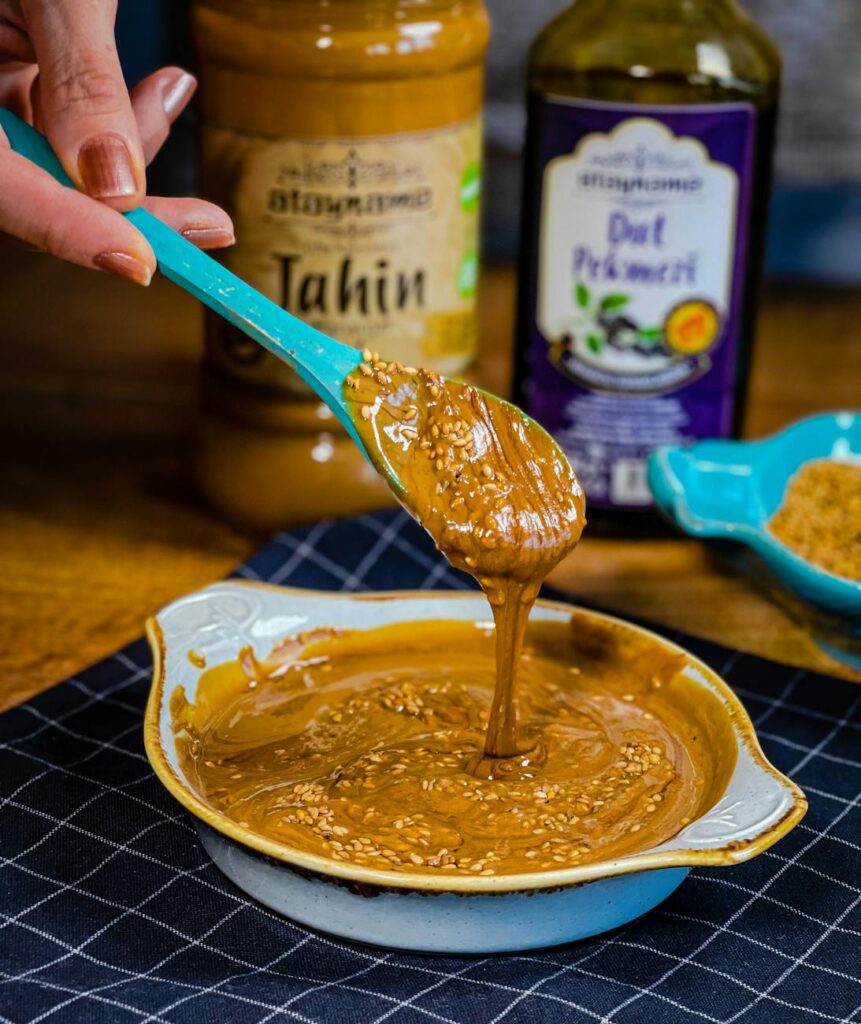
Complete Overview of Miso Tahini
Introduction
Miso tahini is an intriguing ingredient that combines the rich umami flavors of miso with the creamy, nutty essence of tahini. This unique blend has gained popularity in contemporary cuisine, celebrated for its versatility and nutritional benefits. As culinary enthusiasts seek out new flavor profiles and healthier alternatives, understanding the intricacies of miso tahini becomes essential. This comprehensive overview explores the various aspects of miso tahini, from its historical roots to its culinary applications.
What Is Miso Tahini?
Miso tahini is a condiment or ingredient that merges two distinct components: miso, a fermented soybean paste originating from Japan, and tahini, a paste made from ground sesame seeds, commonly used in Middle Eastern and Mediterranean cuisines. The combination of these two ingredients yields a flavorful paste that is rich in protein, healthy fats, and a variety of essential nutrients.
Miso tahini can vary in flavor, texture, and color depending on the specific types of miso and tahini used. The result is a versatile ingredient that can enhance a wide array of dishes, from dressings and dips to marinades and sauces.
History and Origins
The origins of miso date back over two thousand years to ancient China, where it was first produced as a fermented soybean product. It later made its way to Japan, where it evolved into different varieties, each with its own unique flavor profile. Miso has been a staple in Japanese cuisine, used in soups, marinades, and various traditional dishes.
Tahini, on the other hand, has its roots in the Middle East, where it has been consumed for centuries. Made from hulled sesame seeds, tahini has been an integral part of dishes like hummus and baba ganoush. The fusion of miso and tahini is a relatively modern culinary innovation, reflecting the growing trend of blending global flavors to create new taste experiences.
Production and Processing
The production of miso tahini begins with the individual components: miso and tahini.
Miso Production
Miso is created through a fermentation process involving soybeans, salt, and a mold called koji (Aspergillus oryzae). The soybeans are cooked and then combined with koji and salt. This mixture is allowed to ferment for several weeks to years, depending on the desired flavor intensity. The length of fermentation influences the miso’s color, taste, and texture, resulting in varieties such as white (shiro), yellow (shinshu), and red (aka) miso.
Tahini Production
Tahini is made by grinding hulled sesame seeds into a smooth paste. The seeds are often roasted before grinding, which enhances the flavor. The process involves mechanical grinding, leading to the release of natural oils, resulting in a creamy consistency. High-quality tahini is typically made from sesame seeds sourced from regions known for their superior crops, such as Ethiopia or the Mediterranean.
Combining Miso and Tahini
To create miso tahini, the two components are blended, often in varying proportions depending on the desired flavor profile. This mixture can be adjusted with additional ingredients, such as garlic, lemon juice, or spices, to enhance its complexity.
Quality and Grading
The quality of miso tahini can vary significantly based on the ingredients used and the production methods employed. When assessing quality, consider the following factors:
Miso Quality
- Type of Miso: Different types of miso (white, yellow, red) have distinct flavor profiles. Higher quality miso is often made with organic soybeans and minimal additives.
- Fermentation Time: Longer fermentation generally results in deeper, more complex flavors.
- Ingredients: Some misos may include additives or preservatives, while high-quality miso is typically more natural and free from artificial ingredients.
- Sesame Seed Source: The origin of sesame seeds can affect flavor. Premium tahini is made from high-quality seeds, ideally sourced from regions with optimal growing conditions.
- Processing Method: Traditional stone-grinding methods may yield a creamier texture compared to industrial methods.
- Additives: High-quality tahini usually contains no added oils or preservatives, allowing the natural flavors of sesame to shine.
Tahini Quality
Buying Considerations
When purchasing miso tahini, several factors should be taken into account:
1. Ingredients: Look for products with minimal, high-quality ingredients. Ideally, the miso and tahini should be the primary components.
2. Flavor Profile: Consider what type of miso and tahini blend will best suit your culinary needs. Taste testing may be beneficial.
3. Packaging: Ensure that the product is stored in an airtight container to maintain freshness.
4. Brand Reputation: Research brands known for their commitment to quality and sustainability.
5. Dietary Preferences: Check for allergen information, particularly regarding soy and sesame, as well as certifications for organic or non-GMO standards.
Uses and Applications
Miso tahini is a versatile ingredient that can be used in numerous culinary applications:
Dressings and Sauces
Miso tahini can serve as a base for salads, drizzled over roasted vegetables or used as a dipping sauce. Its creamy texture and rich flavor make it an excellent choice for enhancing the taste of various dishes.
Marinades
This ingredient can be blended with other flavors such as garlic, ginger, or citrus to create robust marinades for meats, tofu, or vegetables, adding depth and umami.
Spreads and Dips
Miso tahini can be spread on toast or used as a dip for vegetables and crackers. Its unique flavor profile provides a delightful twist to traditional spreads.
Soups and Stews
Incorporating miso tahini into soups or stews can enhance the overall flavor,