
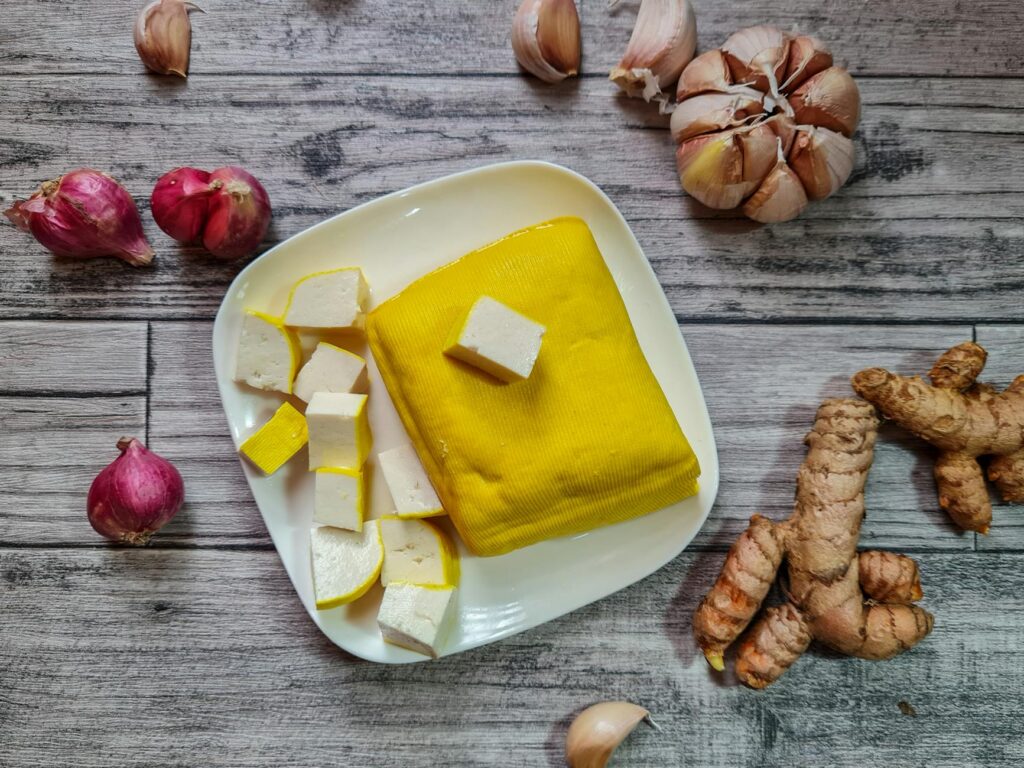
Complete Overview of Miso Tofu Skin
Introduction
Miso tofu skin, a unique ingredient that bridges the worlds of traditional Japanese cuisine and contemporary culinary innovation, has captivated chefs and food enthusiasts alike. This versatile product, often referred to as “yuba” or “tofu skin,” serves as a testament to the artistry of tofu production while offering a rich tapestry of flavors, textures, and nutritional benefits. This comprehensive overview seeks to elucidate the many facets of miso tofu skin, from its origins and production methods to its culinary applications and storage tips.
What Is Miso Tofu Skin?
Miso tofu skin is a byproduct of the tofu-making process, specifically involving the coagulation of soy milk. When soy milk is heated, a thin film forms on its surface. This film is collected, dried, and processed to create what is commonly known as tofu skin. The term “miso” refers not only to the flavoring element—fermented soybean paste—but also to the unique preparation methods that can include the incorporation of miso into the tofu-making process, often imparting a distinct umami flavor to the final product.
History and Origins
The origins of miso tofu skin can be traced back to ancient China, where tofu itself was reportedly invented around 200 BCE during the Han Dynasty. The concept of yuba, or tofu skin, spread to Japan, where it became an integral part of the culinary landscape. In Japan, yuba has held cultural significance, particularly in Buddhist cuisine, where it often serves as a substitute for meat. The introduction of miso as a flavor enhancer further enriched the profile of tofu skin, leading to the diverse uses we see today.
Production and Processing
The production of miso tofu skin begins with high-quality soybeans, which are soaked, ground, and boiled to extract soy milk. The key steps in the process include:
1. Soybean Preparation: Dry soybeans are soaked in water, typically overnight, to rehydrate and soften them.
2. Soy Milk Extraction: The soaked soybeans are then ground with water and boiled. The mixture is filtered to separate the soy milk from the soybean pulp, known as okara.
3. Coagulation: The soy milk is heated, and a coagulant (commonly magnesium chloride or nigari) is added. As the soy milk curdles, a thin layer forms on the surface, which is the tofu skin.
4. Collection: The tofu skin is carefully peeled off, either by hand or with the aid of specialized tools, and then laid flat to dry.
5. Flavoring: In the case of miso tofu skin, miso paste is incorporated during the coagulation process or brushed onto the surface for added flavor before drying.
6. Drying and Packaging: Once dried, the tofu skin is packaged for distribution, either in sheets or as a powdered form.
This meticulous process highlights the craftsmanship involved in creating high-quality miso tofu skin, underscoring its value as an ingredient.
Quality and Grading
The quality of miso tofu skin is determined by several factors, including its texture, flavor, and moisture content. High-quality miso tofu skin should be:
- Smooth and Flexible: A well-made skin will be thin yet pliable, indicating proper drying and processing techniques.
- Rich in Flavor: The infusion of miso should provide a balanced umami flavor without overpowering the natural taste of soy.
- Minimal Defects: Quality skins should be free from visible blemishes, discoloration, or excessive dryness.
- Source: Look for reputable brands known for their tofu products. Local artisanal producers often offer premium options.
- Ingredients: Check the ingredient list to ensure that high-quality soybeans and natural coagulants are used. Avoid products with artificial additives or preservatives.
- Texture and Appearance: Select skins that appear smooth and flexible, avoiding any that look brittle or overly dry.
- Flavor Profile: Some brands offer a variety of miso flavors, from mild to robust. Choose one that aligns with your culinary needs.
- Packaging: Ensure that the packaging is intact and that the product is stored under appropriate conditions to maintain freshness.
- Soups and Stews: It serves as a hearty ingredient in miso soup or stews, providing both texture and flavor.
- Salads: Thinly sliced or rehydrated, it can add a unique touch to salads, enhancing both flavor and nutritional value.
- Wraps and Rolls: Miso tofu skin can be used as a wrap for vegetables or proteins, offering a plant-based alternative to traditional wraps.
- Stir-Fries: It can be added to stir-fries, absorbing flavors from sauces and other ingredients, enriching the overall dish.
- Snacks: Dried miso tofu skin can be seasoned and enjoyed as a crispy snack, either on its own or paired with dips.
- Dry Form: If purchased in dried form, store it in a cool, dry place, away from direct sunlight. An airtight container can help preserve freshness.
Grading often varies by region and producer, but consumers can generally expect a higher price point for premium products that meet these quality standards.
Buying Considerations
When purchasing miso tofu skin, consider the following factors:
By paying attention to these factors, consumers can make informed decisions when purchasing miso tofu skin.
Uses and Applications
Miso tofu skin is incredibly versatile and can be used in various culinary applications, including:
The adaptability of miso tofu skin makes it a favorite among chefs and home cooks, catering to various dietary preferences, including vegetarian and vegan diets.
Storage and Shelf Life
To maintain the quality and flavor of miso tofu skin, proper storage is essential: