
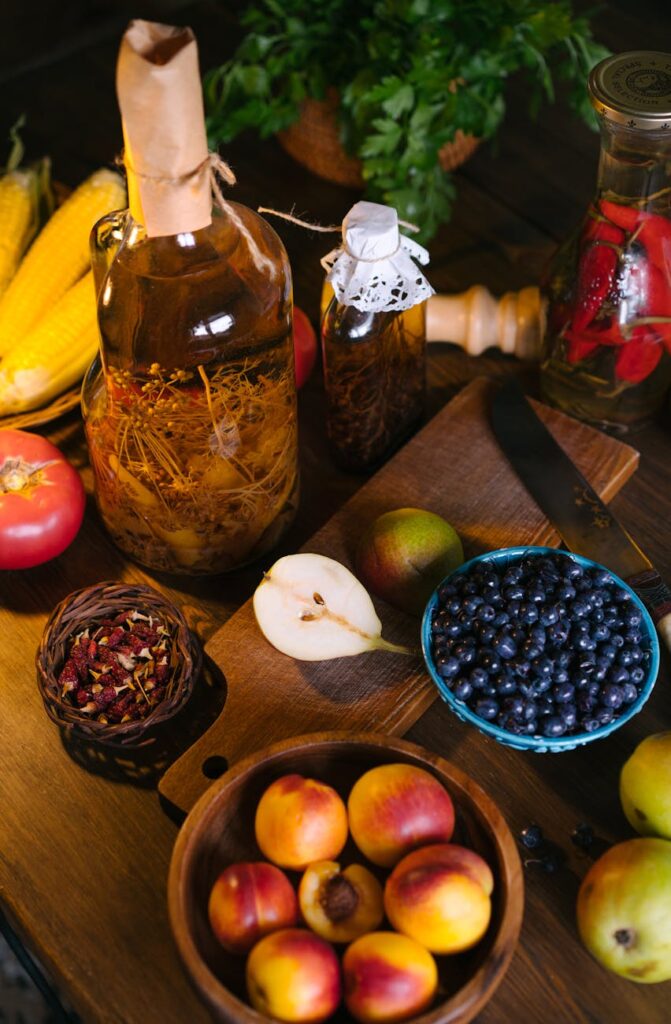
Complete Overview of Nectarines
Introduction
Nectarines, with their smooth skin and sweet, juicy flesh, are a popular stone fruit that often finds its way into a variety of culinary applications. As a member of the Prunus family, which also includes peaches, plums, and cherries, nectarines offer a unique flavor profile and texture that set them apart. This article serves as a comprehensive guide to nectarines, covering their history, production, quality grading, and culinary uses.
What Is Guides?
In the context of food ingredients, “guides” serve as informative resources that provide detailed insights into various aspects of specific ingredients. These guides encompass a wide range of topics, including history, production processes, quality standards, and practical usage tips. The aim is to enhance the understanding of the ingredient and its applications in culinary practices, ensuring that both amateur cooks and professional chefs can utilize nectarines to their fullest potential.
History and Origins
Nectarines are believed to have originated over 2,000 years ago in China, where they were cultivated alongside peaches. The primary distinction between nectarines and peaches lies in the skin; nectarines possess a smooth exterior, whereas peaches are characterized by their fuzzy skin. The word “nectarine” is derived from the Latin word “nectar,” which refers to the drink of the gods in ancient mythology, symbolizing the fruit’s sweet and luscious nature.
As trade routes expanded, nectarines found their way to other parts of the world, including Europe and the Americas. The fruit was first documented in European literature in the 16th century. Today, nectarines are grown in various regions, thriving in climates that offer well-drained soil and plenty of sunlight.
Production and Processing
Nectarines thrive in temperate climates, requiring a certain number of chilling hours for optimal fruit development. Major producers include the United States, China, and Italy. In the U.S., California is the leading state for nectarines, benefiting from its Mediterranean climate that fosters the growth of this delicate fruit.
The cultivation of nectarines involves several stages, including planting, pruning, and harvesting. Farmers typically plant grafted trees, which not only improve fruit quality but also enhance disease resistance. Pruning is essential to maximize sunlight exposure and airflow, reducing the risk of fungal infections.
Harvesting usually occurs during the summer months when the fruit reaches peak ripeness, characterized by vibrant color and a fragrant aroma. After harvesting, nectarines are often sorted and graded based on size, color, and firmness, ensuring that only the highest-quality fruits reach consumers.
Quality and Grading
Quality grading for nectarines is essential for maintaining standards in the marketplace. The United States Department of Agriculture (USDA) sets specific guidelines for grading nectarines, which include factors like size, color, shape, and freedom from defects.
- U.S. Fancy: This grade represents the highest quality, featuring fruit that is well-formed, has a rich color, and is free from blemishes.
- U.S. No. 1: Nectarines in this category may have minor imperfections but still maintain overall quality.
- U.S. No. 2: This grade includes fruit that may have more significant blemishes or irregularities, making it suitable for processing rather than fresh consumption.
- Fresh Consumption: Nectarines can be eaten raw, making for a refreshing snack or addition to fruit salads.
- Baking: Due to their natural sweetness and moisture content, nectarines are often used in pies, tarts, and cobblers.
- Grilling: Grilled nectarines develop a smoky flavor that enhances their sweetness, making them a popular choice for summer barbecues.
- Salads: Sliced nectarines can add a burst of flavor to salads, pairing well with greens, nuts, and cheese.
- Preserves and Jams: Nectarines can be cooked down into preserves, adding a sweet, fruity element to breakfast spreads.
- Room Temperature: Unripe nectarines can be kept at room temperature until they ripen. Once ripe, they should be consumed within a few days for the best flavor.
- Refrigeration: Ripe nectarines can be stored in the refrigerator to extend their shelf life. However, refrigeration may alter their texture and flavor
Consumers should look for nectarines that are firm, fragrant, and free of blemishes when selecting fruit, as these indicators are often reflective of the quality and sweetness of the fruit.
Buying Considerations
When purchasing nectarines, several factors should be taken into account to ensure optimal flavor and freshness:
1. Seasonality: Nectarines are typically in season during the summer months, from late May to early September. Purchasing them during this time often guarantees better flavor and quality.
2. Ripeness: Look for nectarines that yield slightly to gentle pressure, indicating ripeness. Avoid fruit that is overly soft or has visible bruising.
3. Color: The skin color of nectarines can range from yellow to deep red, depending on the variety. A vibrant color usually suggests a sweeter fruit.
4. Aroma: A fragrant aroma is often a sign of ripeness and flavor. Fresh nectarines should have a sweet, fruity scent.
5. Origin: When possible, opt for locally grown nectarines, as they tend to be fresher and more flavorful than those transported over long distances.
Uses and Applications
Nectarines are incredibly versatile and can be utilized in various culinary applications. Their sweet, juicy flesh makes them ideal for both sweet and savory dishes. Common uses include:
The pectin content in nectarines also makes them suitable for making jellies or sauces, as they gel well when cooked.
Storage and Shelf Life
Proper storage is essential for maintaining the freshness of nectarines. Here are some guidelines: