
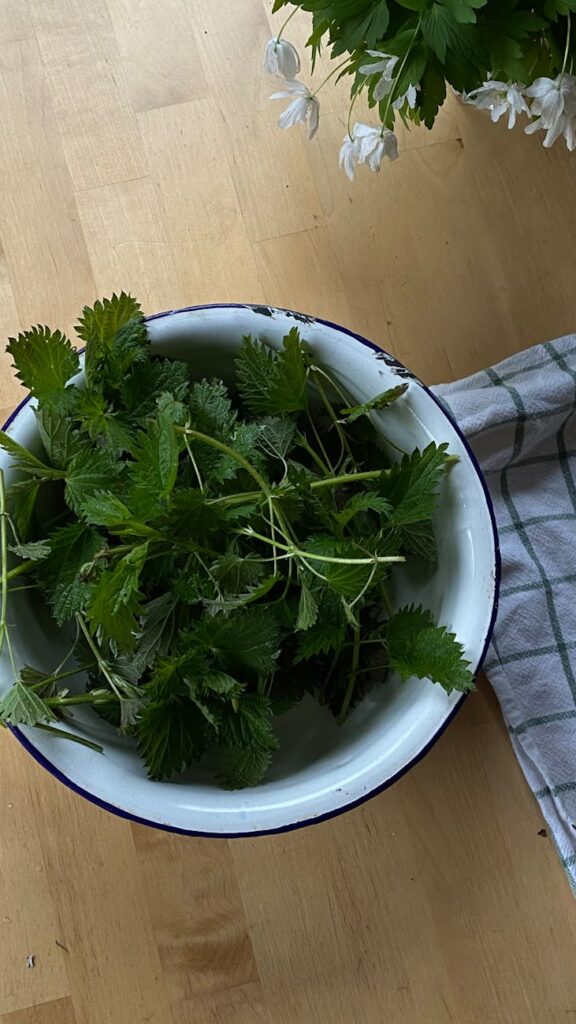
Complete Overview of Nettles
Introduction
Nettles, belonging to the genus Urtica, are often overlooked in culinary contexts despite their rich nutritional profile and versatility. Known for their sting, which is caused by tiny, hair-like structures that release irritants upon contact, nettles have been utilized for centuries for various applications. This comprehensive overview will delve into the fascinating world of nettles, exploring their history, production, uses, and much more.
What Are Nettles?
Nettles are flowering plants primarily recognized for their characteristic stinging hairs. The most common species, Urtica dioica, is often referred to as common nettle or stinging nettle. These plants thrive in temperate regions around the globe, often found in damp, nutrient-rich soils. Nettles are not only a crucial part of various ecosystems but also serve as an important food source in many cultures due to their unique flavor and health benefits.
History and Origins
The history of nettles is as rich as their nutritional content. Evidence suggests that nettles have been used by humans for over 2,000 years. Ancient civilizations, including the Romans and Greeks, recognized the plant’s value, utilizing it for textiles, medicine, and food. The fibers of nettles were woven into cloth, known as “Nettle cloth,” which was prized for its durability. In traditional herbal medicine, nettles were believed to have various health benefits, leading to their inclusion in folk remedies across Europe and Asia.
Today, nettles are gaining renewed interest in culinary circles, celebrated for their versatility and nutritional richness. As sustainability becomes a focal point in modern diets, nettles present an environmentally friendly option, often growing wild and requiring minimal agricultural input.
Production and Processing
Nettles are typically harvested in the spring when the young shoots are tender and flavorful. The best time to collect them is before they flower, as the leaves become tougher and more fibrous afterward. Harvesting is generally done by hand, ensuring that the plants can continue to thrive in their natural habitat. Care should be taken to wear gloves during this process to avoid the stinging sensation associated with the plant.
Once harvested, nettles can be processed in several ways. They can be blanched, which neutralizes their sting and enhances their vibrant green color. This process involves briefly boiling the leaves and then plunging them into ice water. After blanching, nettles can be frozen, dried, or used fresh in various culinary applications. The drying process involves low temperatures to maintain the nutritional integrity of the leaves, allowing for long-term storage and use in teas, soups, and herbal mixtures.
Quality and Grading
The quality of nettles is determined by several factors, including freshness, color, and absence of blemishes. High-quality nettles should have vibrant green leaves, indicating that they are young and fresh. They should be free from signs of wilting or browning. When purchasing dried nettles, look for uniformity in color and texture, as well as a pleasant, earthy aroma.
Grading systems for nettles are not standardized, but consumers should prioritize organic and sustainably sourced options whenever possible. This approach not only supports eco-friendly practices but also often results in a superior product devoid of harmful pesticides and chemicals.
Buying Considerations
When seeking to purchase nettles, there are several factors to consider. Fresh nettles can often be found at farmers’ markets, specialty grocery stores, or herbal shops during their peak season. For those interested in dried nettles, online retailers and health food stores typically offer a range of options.
It is essential to ensure that the nettles are sourced from reputable suppliers who adhere to safety standards, particularly when buying wild-harvested nettles. Consumers should also consider the form in which they prefer to use nettles. Fresh nettles are ideal for immediate culinary applications, while dried nettles offer convenience and a longer shelf life.
Uses and Applications
Nettles possess a unique flavor profile, often described as reminiscent of spinach or green tea. This makes them a versatile ingredient in a variety of dishes. Common uses include:
1. Soups and Stews: Nettles can be added to soups and stews for an earthy flavor and nutritional boost.
2. Pesto and Sauces: Blended into pestos or sauces, nettles can impart a rich green color and distinctive taste.
3. Teas and Infusions: Dried nettles can be steeped to create herbal teas, valued for their aromatic qualities.
4. Salads: Young, tender nettles can be used fresh in salads, although they should be blanched to remove their sting.
5. Gourmet Dishes: High-end restaurants are increasingly incorporating nettles into gourmet dishes, showcasing their flavor and nutritional benefits.
Beyond culinary uses, nettles have found their way into textiles, cosmetics, and even biofuel production, highlighting their versatility across various industries.
Storage and Shelf Life
Fresh nettles should be used as soon as possible after harvesting or purchase for optimal flavor and nutrition. If necessary, they can be stored in the refrigerator, wrapped in a damp cloth or placed in a container with a little water to maintain their freshness. Typically, fresh nettles can last for about five to seven days under proper storage conditions.
Dried nettles, when stored in an airtight container in a cool, dark place, can last for several months to a year. It is crucial to keep them away from moisture to prevent mold and spoilage. Frozen nettles can also be an excellent option for long-term storage, retaining much of their flavor and nutritional content when properly prepared.
Common Misconceptions
Despite their nutritional benefits, nettles are often misunderstood. Here are some common misconceptions:
- Nettles are only a weed: While they may grow wild and be considered a nuisance in