
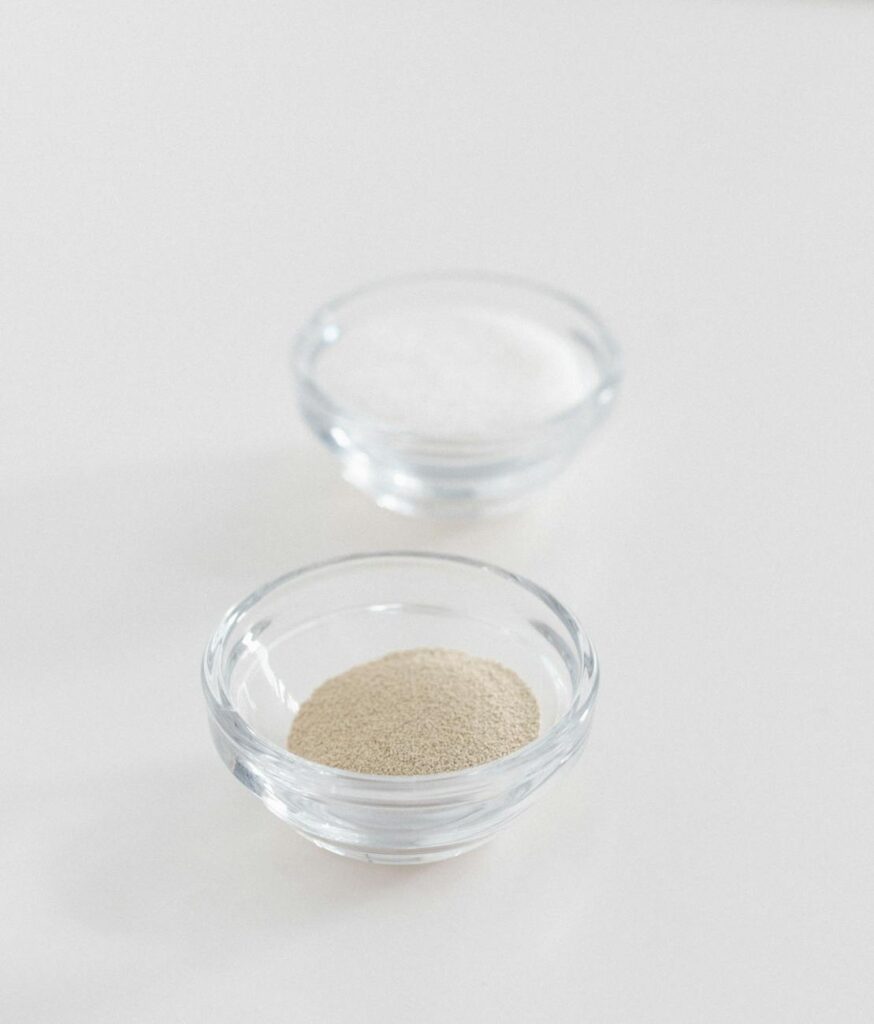
Complete Overview of Nutritional Yeast
Introduction
Nutritional yeast is a deactivated form of yeast derived from Saccharomyces cerevisiae, a species of yeast commonly utilized in baking and brewing. Renowned for its rich flavor profile and impressive nutrient content, nutritional yeast has become a staple in many kitchens, especially among vegans and health enthusiasts. This comprehensive overview delves into the various dimensions of nutritional yeast, including its history, production processes, quality considerations, and diverse applications.
What Is Nutritional Yeast?
Nutritional yeast is a yellow, flaky substance that has a unique nutty, cheesy flavor, making it an attractive ingredient for those seeking to enhance the taste of their meals without the use of animal products. It is typically fortified with B-vitamins, including B12, which is crucial for those following plant-based diets. Unlike active yeast, nutritional yeast does not cause fermentation and is used primarily as a food enhancer rather than a leavening agent.
History and Origins
The use of yeast as a food source dates back thousands of years, primarily in the context of fermentation. However, nutritional yeast as we recognize it today has more recent origins. In the 20th century, with the rise of vegetarianism and veganism, nutritional yeast garnered attention as a nutrient-dense food alternative. It was initially produced as a byproduct of beer brewing but was later cultivated specifically for its nutritional benefits.
The 1970s saw a surge in its popularity, coinciding with a growing awareness of vegetarian and vegan diets, particularly in the United States. Nutritional yeast became synonymous with health-conscious eating, providing a source of protein, vitamins, and minerals for those avoiding animal products.
Production and Processing
The production of nutritional yeast involves several key steps:
1. Cultivation: Nutritional yeast is cultivated in a controlled environment using molasses or sugar beets as a nutrient source. The yeast cells multiply rapidly under specific conditions, leading to high yields.
2. Harvesting: Once the yeast has reached optimal growth, it is harvested through centrifugation, where the yeast cells are separated from the liquid medium.
3. Deactivation: The harvested yeast is then heated to deactivate it. This process ensures that the yeast does not ferment or cause any leavening in food products.
4. Drying: The deactivated yeast is dried to produce flakes or powder, making it easy to incorporate into various dishes.
5. Fortification: Many brands fortify their nutritional yeast with additional vitamins, particularly B12, to enhance its nutritional profile.
Quality and Grading
The quality of nutritional yeast can vary significantly based on its source and production methods. Key factors to consider when assessing quality include:
- Fortification: Look for products that are fortified with B vitamins, especially B12, if you are relying on nutritional yeast as a primary source of these nutrients.
- Origin: Nutritional yeast produced in countries with stringent food safety regulations tends to have higher quality assurance.
- Texture and Flavor: High-quality nutritional yeast should have a pleasant nutty and cheesy flavor, with a fine, flaky texture. Avoid products that have an off-putting odor or a clumpy consistency.
- Certification: Consider products that are certified organic or non-GMO for assurance of quality and purity.
- Seasoning: Its cheesy flavor makes it an excellent seasoning for popcorn, pasta, and salads.
- Sauces: Nutritional yeast can be blended into sauces and dressings to add depth and complexity.
- Soups and Stews: It can be stirred into soups and stews for added flavor and nutrition.
- Baking: While not a leavening agent, it can be used in breads and baked goods for enhanced flavor.
- Sprinkling: Used as a topping, it can enhance the taste of various dishes, including avocados, roasted vegetables, and casseroles.
- Active Yeast Confusion: Many people mistakenly believe that nutritional yeast can be used as a leavening agent. In reality, it is deactivated and will not cause dough to rise.
- Flavor Similarity: While it has a cheesy flavor, nutritional yeast is not a direct substitute for cheese in recipes requiring melting properties. It adds depth but does not replicate the texture or taste
Buying Considerations
When purchasing nutritional yeast, several factors should guide your decision:
1. Form: Nutritional yeast is available in flakes, granules, and powder. The form you choose may depend on your intended use; flakes are popular for topping dishes, while powders blend well into sauces and soups.
2. Brand: Opt for reputable brands known for quality and transparency in their production processes. Reading customer reviews can also provide insight into product performance.
3. Labeling: Check the label for fortification information and ingredient sourcing. Look for certifications that align with your dietary preferences, such as vegan, gluten-free, or organic.
4. Packaging: Nutritional yeast should be stored in airtight containers to maintain freshness. Look for brands that use opaque packaging to protect against light exposure, which can degrade its quality.
Uses and Applications
Nutritional yeast is versatile and can be incorporated into a wide array of culinary applications:
Storage and Shelf Life
Proper storage is crucial for maintaining the quality of nutritional yeast. It should be kept in a cool, dry place, ideally in an airtight container. When stored correctly, nutritional yeast can last for up to two years. However, it’s essential to check for any signs of spoilage, such as an off smell or clumping, before use. If you notice any changes in color or texture, it is best to discard the product.
Common Misconceptions
Despite its popularity, several misconceptions surround nutritional yeast: