
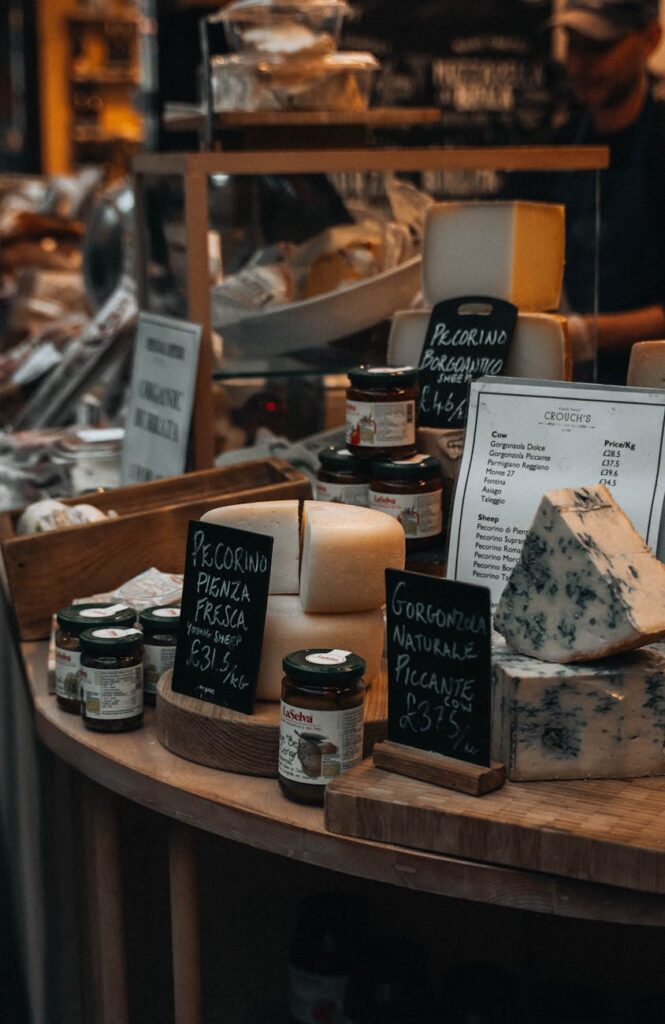
Complete Overview of Pecorino Cheese
Introduction
Pecorino cheese is a distinctive Italian cheese renowned for its robust flavor and versatility. Made primarily from sheep’s milk, this cheese has become an integral part of Italian cuisine and has garnered international acclaim for its unique character. This article delves into the various aspects of Pecorino cheese, including its history, production methods, quality grading, and culinary applications, providing a comprehensive guide for enthusiasts and professionals alike.
What Is Pecorino Cheese?
Pecorino is a family of hard cheeses that originates from Italy, with the name deriving from the Italian word “pecora,” meaning sheep. While there are several varieties of Pecorino, the most notable include Pecorino Romano, Pecorino Sardo, and Pecorino Toscano. Each type has unique flavor profiles and textures, reflective of its specific region of production. Pecorino can range from mild to sharp, with aging periods that vary from a few months to several years.
History and Origins
The history of Pecorino cheese can be traced back to ancient Rome, where sheep herding was a common practice. As early as the 1st century B.C., references to Pecorino can be found in literature, and it was a staple among Roman soldiers due to its long shelf life. The cheese-making tradition surrounding Pecorino evolved over the centuries, particularly in regions such as Lazio, Sardinia, and Tuscany, each contributing to the distinct characteristics of their local varieties.
In the Middle Ages, Pecorino became an important trade item, with its production expanding due to the increasing demand. The cheese’s significance in Italian culture was solidified with the establishment of Protected Designation of Origin (PDO) regulations in 1996, which aimed to preserve traditional production methods and safeguard regional identities.
Production and Processing
The production of Pecorino cheese involves a series of meticulous steps that contribute to its unique flavor and texture.
1. Milk Collection: The process begins with the collection of fresh sheep’s milk. The quality of the milk is paramount, as it directly impacts the final product. Typically, the milk is sourced from local farms that adhere to strict animal welfare standards.
2. Coagulation: The milk is heated and combined with natural rennet, which causes it to curdle. This step transforms the liquid milk into solid curds, which are then separated from the whey.
3. Curd Processing: The curds undergo cutting and cooking, which helps expel excess whey. The size of the curds affects the cheese’s texture; smaller curds yield a firmer cheese.
4. Molding and Pressing: The curds are placed in molds and pressed to shape the cheese. This step also helps in achieving the desired moisture content.
5. Salting: After being removed from the molds, the cheese is salted. This not only enhances flavor but also acts as a preservative. The salt can be applied either externally or through brining.
6. Aging: Pecorino cheese is aged for varying periods, depending on the specific variety. Aging can take place in controlled environments, where factors such as humidity and temperature are carefully monitored. The aging process allows the flavors to develop fully, resulting in a complex taste profile.
Quality and Grading
Pecorino cheese is graded based on a variety of factors, including taste, aroma, texture, and appearance. The most recognized classification is the PDO status, which signifies that the cheese has been produced in a specific geographical area and adheres to traditional methods.
1. Pecorino Romano: This is perhaps the most famous variety, known for its sharp, salty flavor. It is aged for a minimum of five months and is often used as a grating cheese.
2. Pecorino Sardo: Originating from Sardinia, this variety has a milder taste and is typically aged between two and six months. It can be enjoyed as a table cheese or used in cooking.
3. Pecorino Toscano: Hailing from Tuscany, this cheese is usually milder and creamier, with aging periods ranging from four months to over a year. It is often enjoyed with fruits or nuts.
Quality is also assessed through organoleptic evaluations, where trained tasters assess the cheese’s flavor, aroma, and texture. The cheese’s rind, color, and moisture content also contribute to its overall quality rating.
Buying Considerations
When purchasing Pecorino cheese, several factors should be taken into account to ensure that you select a high-quality product:
1. Region of Origin: Look for cheeses labeled with PDO status, which guarantees authenticity and adherence to traditional production methods.
2. Aging: Consider the aging period and flavor profile. Younger Pecorino tends to be milder and creamier, while older varieties are sharper and more complex.
3. Appearance: A good quality Pecorino should have a firm texture and a well-defined rind. The color can vary, but it typically ranges from a pale cream to a deeper yellow, depending on the aging process.
4. Smell: The aroma should be pleasant and inviting, with hints of nuttiness or grassiness, depending on the variety.
5. Packaging: If purchasing pre-packaged cheese, check for freshness dates and look for reputable brands. Buying from specialized cheese shops or farmers’ markets often yields better quality options.
Uses and Applications
Pecorino cheese is incredibly versatile and can be utilized in a variety of culinary applications:
1. Grating: The sharp, salty flavor of Pecorino Romano makes it perfect for grating over pasta dishes, salads, and soups.
2. Table Cheese: Younger varieties such as Pecorino Sardo and