
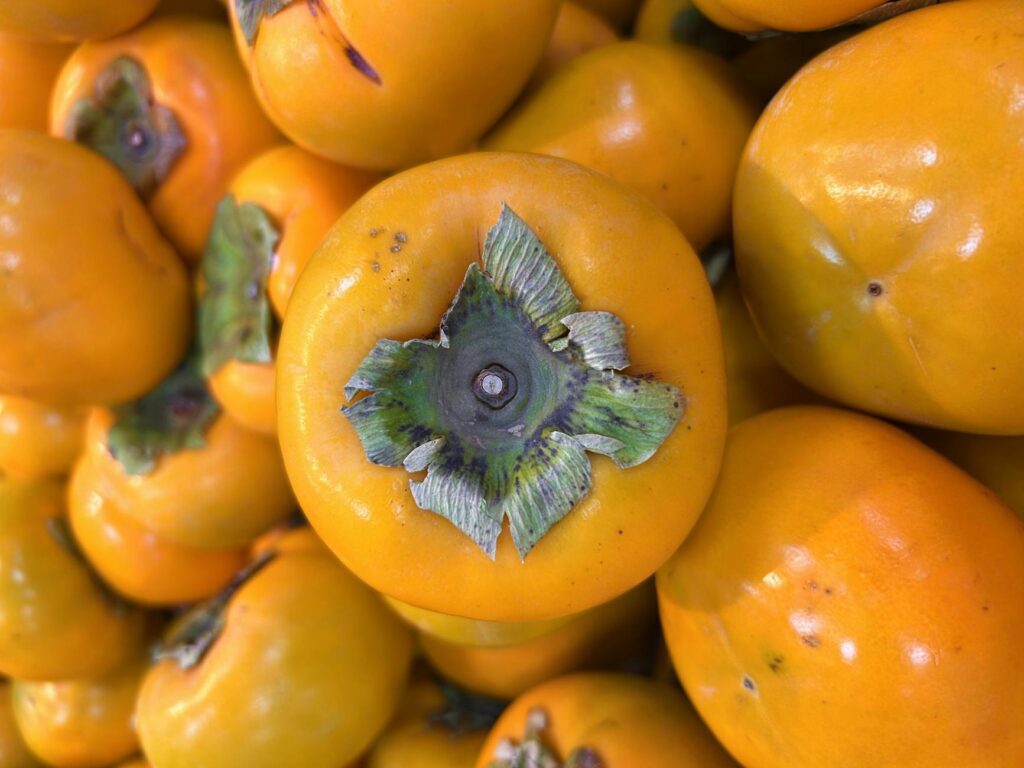
Complete Overview of Persimmons
Introduction
Persimmons, a fruit celebrated for their sweet flavor and vibrant color, have captivated culinary enthusiasts and health-conscious consumers alike. Often referred to as nature’s candy, these fruits are not only delicious but also versatile, making them a valuable ingredient in various culinary applications. This article aims to provide a comprehensive overview of persimmons, covering their history, production, quality assessment, and practical considerations for consumers.
What Is Persimmons?
Persimmons are the edible fruit of trees belonging to the genus Diospyros, which encompasses over 700 species. The two most widely cultivated varieties are the American persimmon (Diospyros virginiana) and the Asian persimmon (Diospyros kaki). The fruit is characterized by its smooth skin, which ranges in color from yellow to deep orange, and its sweet, custard-like flesh. Persimmons can be classified into two main types: astringent and non-astringent, each possessing unique characteristics that dictate their culinary uses.
History and Origins
The origins of persimmons can be traced back to East Asia, where they have been cultivated for thousands of years. Historical records suggest that the Japanese were among the first to domesticate the Asian persimmon around 200 B.C. Over time, the fruit spread across China, Korea, and eventually made its way to Europe and the Americas. The American persimmon, native to the eastern United States, has been utilized by Indigenous peoples for centuries, serving as a vital food source.
The introduction of the Asian persimmon to the United States occurred in the mid-19th century, and it has since gained popularity for its sweet flavor and adaptability to various climates. Today, persimmons are cultivated in many parts of the world, including California, South Korea, Japan, and China.
Production and Processing
Persimmons thrive in temperate climates, requiring well-drained soil and ample sunlight for optimal growth. The trees are typically pruned to enhance fruit production, and the harvest occurs in late fall when the fruit reaches full maturity. In commercial production, special care is taken to avoid bruising, as persimmons are delicate and easily damaged.
After harvesting, persimmons undergo a processing phase that may include washing, sorting, and packaging. Astringent varieties are often allowed to ripen off the tree, which softens their texture and reduces their bitterness. Non-astringent varieties can be consumed while still firm, adding to their versatility in the marketplace.
Quality and Grading
Quality assessment of persimmons is crucial for both producers and consumers. Factors such as color, size, texture, and sweetness play significant roles in determining a fruit’s market value.
Grading Standards
Persimmons are typically graded into several categories based on their quality:
- Grade A: These fruits exhibit uniform size, rich color, and smooth skin, with no blemishes or bruises. They are ideal for fresh consumption.
- Grade B: While still acceptable for sale, these fruits may have minor imperfections, such as slight color variation or small blemishes. They are often used for processing or cooking.
- Grade C: These fruits show significant imperfections and are generally not sold fresh. They are often used in the production of dried persimmons or other processed products.
- Fresh Consumption: The most common use for persimmons is to eat them fresh. They can be sliced and added to salads, enjoyed as a snack, or used as a garnish.
- Baking and Cooking: Persimmons can be incorporated into baked goods such as muffins, bread, and cakes, providing natural sweetness and moisture. They can also be roasted or grilled, enhancing their flavor profile.
- Preservation: Dried persimmons are a popular delicacy in many cultures. The drying process intensifies the fruit’s sweetness and alters its texture, making it a great addition to snacks and trail mixes.
- Beverages: Persimmons can be used to create smoothies, juices, or even infused spirits, offering a unique flavor that complements other ingredients.
- At Room Temperature: Unripe persimmons can be stored at room temperature until they ripen. Once ripe, they should be consumed within a few days for the best flavor.
- Refrigeration: Ripe persimmons can be stored in the refrigerator for up to a week. Place them in a
Sensory Evaluation
The taste of persimmons can vary widely based on the cultivar and ripeness. A well-ripened persimmon should have a sweet, honey-like flavor with a smooth, custard-like texture. Astringent varieties should only be consumed when fully ripe, as they can be overwhelmingly bitter if eaten too early.
Buying Considerations
When purchasing persimmons, several factors should be taken into account to ensure the best quality:
1. Varietal Knowledge: Familiarize yourself with the differences between astringent and non-astringent varieties. Astringent persimmons must be fully ripened to be palatable, while non-astringent types can be eaten while still firm.
2. Appearance: Look for fruits with vibrant color and smooth skin. Avoid any with dark spots, wrinkles, or signs of mold.
3. Ripeness: Persimmons are typically sold unripe; gently press the fruit to assess ripeness. A ripe non-astringent variety will yield slightly to pressure, while a ripe astringent variety will feel very soft.
4. Seasonality: Persimmons are most commonly available in the fall and early winter. Purchasing them during peak season ensures the best flavor and quality.
Uses and Applications
Persimmons are remarkably versatile and can be utilized in various culinary applications:
Storage and Shelf Life
Proper storage is essential to maintain the quality and freshness of persimmons.