
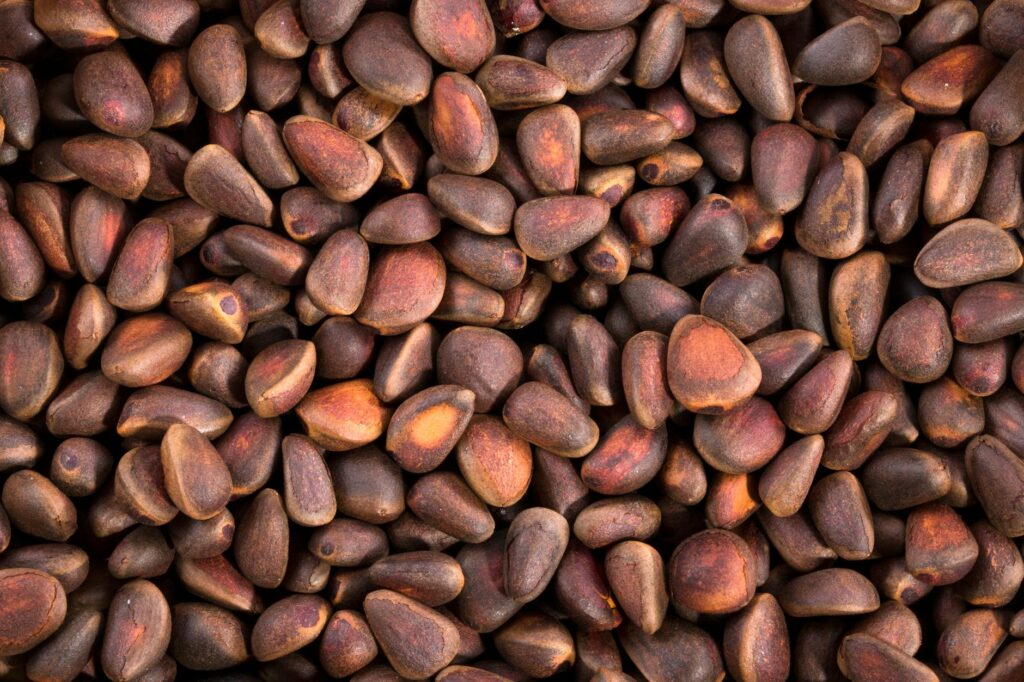
Complete Overview of Pine Nuts
Introduction
Pine nuts, the edible seeds of pine trees, are cherished for their delicate flavor and nutritional benefits. These small, ivory-colored seeds are a staple in various cuisines worldwide, particularly in Mediterranean and Asian dishes. Their unique, buttery taste and slightly chewy texture make them a versatile ingredient, suitable for both savory and sweet applications. This article provides an in-depth overview of pine nuts, covering their history, production, quality considerations, and more.
What Is Guides?
In the context of food ingredients, “Guides” refer to comprehensive resources that provide detailed information about specific ingredients, their culinary uses, and their significance in various cultures. For pine nuts, guides encompass everything from their botanical characteristics to their culinary applications and storage methods. This information serves as an essential tool for chefs, home cooks, and food enthusiasts alike, enabling them to make informed decisions when incorporating pine nuts into their culinary creations.
History and Origins
Pine nuts have a rich history that dates back thousands of years. Archaeological evidence suggests that they were consumed by prehistoric people in Europe, Asia, and North America. The seeds are derived from several species of pine trees, with the most notable being the Pinus pinea, commonly known as the stone pine. This species is native to the Mediterranean region and has been cultivated since ancient times.
In Roman times, pine nuts were considered a delicacy and were used in various dishes, including sauces and pastries. They were also a critical source of nutrition for indigenous peoples in North America, who harvested them from local pine trees. As trade routes expanded, the popularity of pine nuts spread, leading to their incorporation into a variety of global cuisines.
Production and Processing
Cultivation
Pine nuts are harvested from female cones of pine trees, which typically take between 18 months to three years to mature. The trees flourish in specific climates, predominantly in regions with warm summers and cold winters. Major producers of pine nuts include China, Korea, Russia, and Italy. The cultivation process is labor-intensive, as harvesting involves manually extracting the seeds from the cones.
Harvesting
Harvesting pine nuts is a meticulous process. The mature cones are collected, and the seeds are extracted through mechanical or manual methods. Once harvested, the pine nuts are usually dried to reduce moisture content and enhance their shelf life. The seeds are then shelled, sometimes using mechanical methods, to separate the edible kernels from the hard outer shell.
Processing
After harvesting, pine nuts undergo minimal processing to maintain their flavor and nutritional value. They may be lightly roasted to enhance their taste, although this step is optional. It’s crucial to monitor the roasting process carefully, as overheating can lead to a bitter taste and loss of beneficial nutrients.
Quality and Grading
The quality of pine nuts can significantly affect their flavor, texture, and culinary applications. Pine nuts are typically graded based on size, color, and oil content. Higher-quality nuts are generally larger, lighter in color, and have a higher oil content, contributing to their rich flavor.
Grading Systems
While there isn’t a universally accepted grading system for pine nuts, some producers may use their systems based on market preferences. Buyers should look for nuts that are uniform in size and color, free from blemishes or discoloration, as these factors often indicate quality.
Buying Considerations
When purchasing pine nuts, several factors should be taken into account to ensure the best quality and value.
Freshness
Pine nuts have a relatively short shelf life due to their high oil content, making them susceptible to rancidity. When buying pine nuts, opt for fresh, unshelled nuts whenever possible, as they tend to last longer than shelled varieties. Check for a sweet, nutty aroma, which indicates freshness.
Packaging
Pine nuts should be stored in airtight containers to minimize exposure to air, light, and moisture. If buying pre-packaged nuts, inspect the packaging for any signs of damage or leakage, which could compromise the quality of the contents.
Source
Consider the source of the pine nuts. Nuts from reputable producers or regions known for quality pine nuts, such as Italy or the United States, are often more desirable. Additionally, be cautious of imported nuts, as they may undergo different processing methods that can affect their flavor and quality.
Uses and Applications
Pine nuts offer a myriad of culinary applications due to their unique flavor and texture. They can be used in both sweet and savory dishes, making them a versatile ingredient in the kitchen.
Culinary Uses
1. Pesto: Perhaps most famously, pine nuts are a key ingredient in traditional pesto, where they contribute a rich, nutty flavor that complements the fresh basil and garlic.
2. Salads and Grain Dishes: Pine nuts can be toasted and sprinkled over salads, grain bowls, or pilafs to add a delightful crunch and depth of flavor.
3. Baking: In sweet applications, pine nuts can be incorporated into cookies, cakes, and pastries, adding a unique taste and texture.
4. Garnishing: Roasted pine nuts serve as an elegant garnish for various dishes, enhancing both presentation and flavor.
5. Sauces: Ground pine nuts can be blended into sauces or dressings for added creaminess and depth.
Storage and Shelf Life
Proper storage is essential for maintaining the quality of pine nuts. When stored correctly, unshelled pine nuts can last up to a year in a cool, dry place. Shelled pine nuts have a shorter shelf life, typically lasting about 3 to 6 months at room temperature.
Recommended Storage Methods
1. Airtight Containers: Store pine nuts in airtight containers to prevent exposure to air and moisture.
2. Refrigeration: For extended storage, particularly of shelled pine nuts, refrigeration is recommended. This can help prolong their freshness