
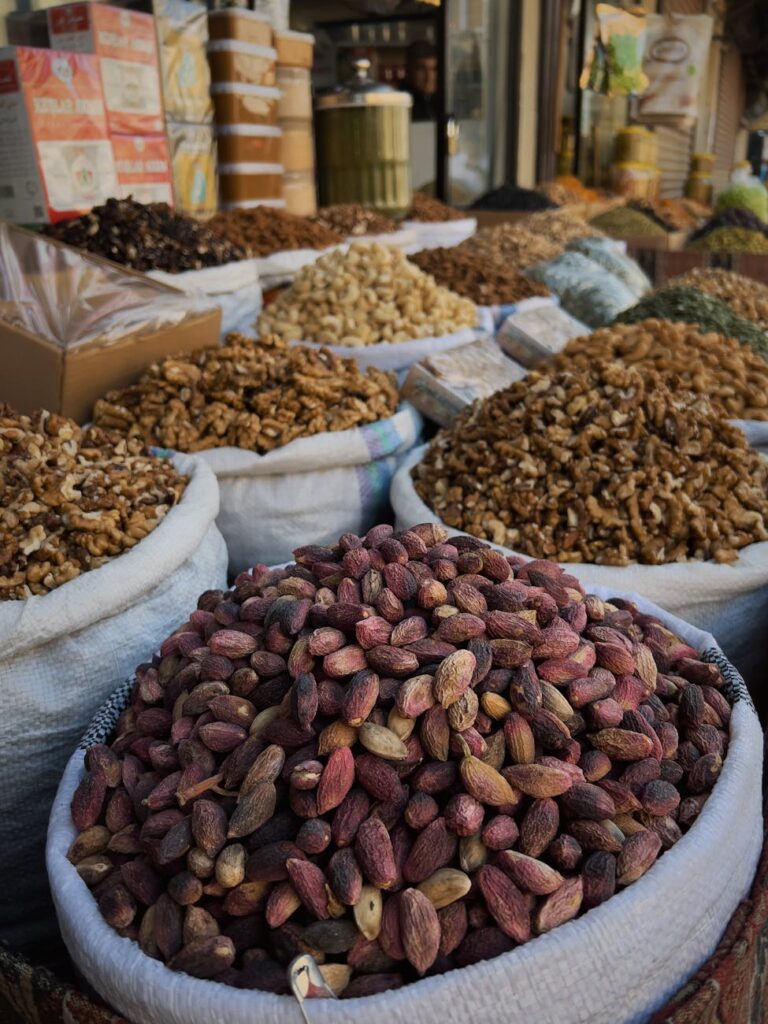
Complete Overview of Pistachios
Introduction
Pistachios (Pistacia vera) are small, green nuts that have captivated palates across the globe for centuries. Known for their distinctive flavor and crunchy texture, pistachios are not only a popular snack but also a versatile ingredient in various culinary applications. This article provides a comprehensive overview of pistachios, exploring their history, production, quality grading, and more. Whether you’re a culinary enthusiast, a food professional, or simply curious about this delightful nut, this guide will offer valuable insights.
What Is Guides?
In the context of food ingredients, “Guides” serve as comprehensive resources that offer detailed information about specific ingredients, including their characteristics, uses, and handling. These guides aim to educate consumers, chefs, and food industry professionals about the nuances of each ingredient, enabling informed decisions in both cooking and purchasing. The guide on pistachios presents an exhaustive look at this unique nut, covering everything from its origins to its culinary applications.
History and Origins
Pistachios have a rich history that dates back thousands of years. Native to the Middle East, they are believed to have been cultivated as early as 7000 BC. Evidence of pistachio consumption has been found in archaeological sites across Iran, Syria, and Turkey. The ancient Persians referred to them as “the nuts of the good fortune,” attributing a symbolic significance to these delectable seeds.
By the 1st century AD, pistachios had spread to the Mediterranean region, where they became popular among the Romans. The nut gained prominence in the culinary traditions of countries such as Italy and Spain, eventually making its way to the Americas in the 19th century. Today, the United States is one of the largest producers of pistachios, particularly in California, where the climate is conducive to their cultivation.
Production and Processing
The production of pistachios is a meticulous process that involves several stages:
1. Cultivation: Pistachios thrive in arid climates with well-drained soil. They are typically grown in orchards, with trees taking around 5-7 years to begin producing nuts. The trees are dioecious, meaning that male and female trees are required for pollination, with only the female trees producing the edible nuts.
2. Harvesting: Harvesting usually occurs in late summer to early autumn. Farmers use mechanical shakers to gently vibrate the trees, causing the ripe nuts to fall to the ground. This method ensures that the nuts are collected at their peak ripeness.
3. Processing: Once harvested, pistachios undergo a series of processing steps. The nuts are hulled to remove their outer shell, followed by a drying process to reduce moisture content. This is crucial for maintaining freshness and preventing spoilage. After drying, the nuts are sorted and graded based on size, color, and quality.
4. Packaging: Finally, the processed pistachios are packaged for distribution. This may involve vacuum sealing or using nitrogen-flushed bags to enhance shelf life.
Quality and Grading
Pistachios are graded based on several criteria, including size, color, and overall appearance. The grading system helps consumers identify high-quality products and makes it easier for producers to market their nuts effectively. Common grading categories include:
- Size: Pistachios are typically sold by the count per ounce, with larger nuts being more desirable. The most common sizes range from 20-30 nuts per ounce to 30-40 nuts per ounce.
- Color: Quality pistachios exhibit a vibrant green color, indicating freshness and optimal flavor. Nuts that appear dull or brown may indicate aging or improper processing.
- Shell Integrity: The shell should be intact and free from cracks or damage. Open shells can indicate that the nut is overripe or has been compromised during processing.
- Snacking: Roasted and salted pistachios are a popular snack food, enjoyed for their unique flavor and satisfying crunch.
- Baking: Ground pistachios can be incorporated into baked goods, such as cookies, cakes, and pastries, providing a distinct flavor and color.
- Savory Dishes: Pistachios can be used in savory dishes, such as salads, pilafs, or as a crust for meats and fish, adding both texture and flavor.
- Confectionery: In many cultures, pistachios are used in the production of sweets, such as baklava, halva, and various types of ice cream.
- Garnishing: Chopped pistachios make an excellent garnish for dishes, enhancing both presentation and flavor.
- Cool and Dry Environment: Store pistachios in a cool, dry
Buying Considerations
When purchasing pistachios, several factors should be taken into account to ensure you select the best quality:
1. Source: Opt for pistachios from reputable producers or brands known for high-quality nuts. Consider looking for certifications or quality seals that indicate compliance with industry standards.
2. Form: Pistachios are available in various forms, including raw, roasted, salted, or flavored. Choose based on your intended use, whether as a snack or an ingredient in dishes.
3. Packaging: Inspect packaging for any signs of damage or air exposure, which can lead to rancidity. Look for vacuum-sealed or nitrogen-flushed packages for maximum freshness.
4. Allergens: Be mindful of allergenic potential, as nuts can be a common allergen. If you or your guests have nut allergies, always check labels carefully.
Uses and Applications
Pistachios are incredibly versatile and can be used in various culinary applications:
Storage and Shelf Life
Proper storage is crucial to maintaining the quality of pistachios. Here are some tips for optimal storage: