
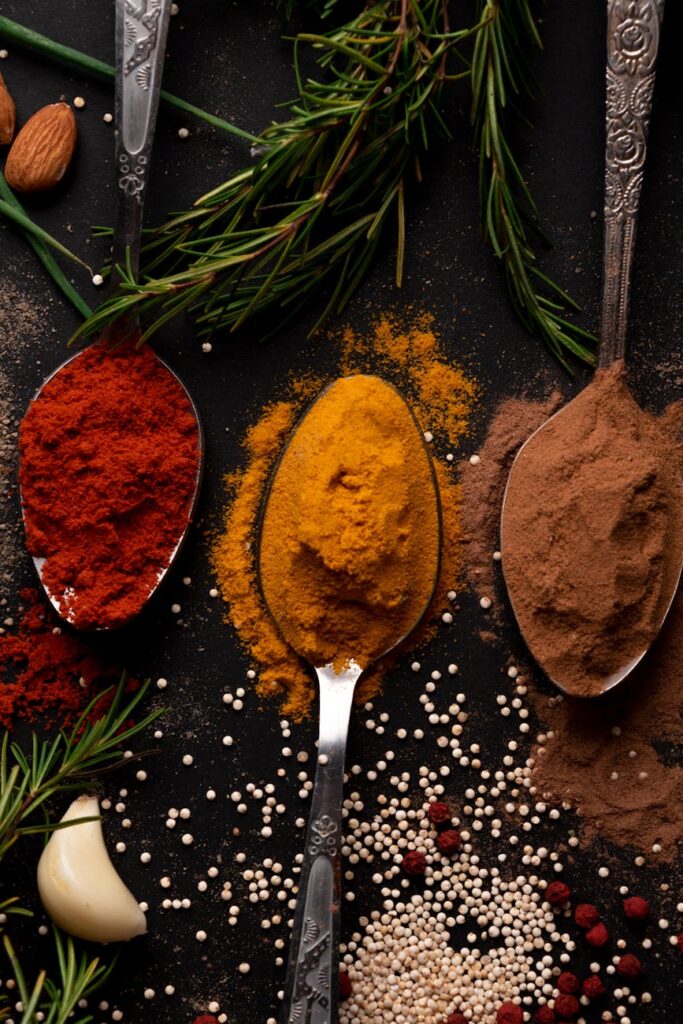
Complete Overview of Quinoa
Introduction
Quinoa, often referred to as a “superfood,” has gained significant attention over the past few decades for its nutritional profile and versatility in culinary applications. This ancient grain-like seed, native to the Andean region of South America, has transcended its geographical origins to become a staple in diverse diets worldwide. This comprehensive guide delves into the multifaceted aspects of quinoa, including its history, production, quality, uses, and more, providing a holistic understanding of this remarkable ingredient.
What Is Quinoa?
Quinoa (Chenopodium quinoa) is a flowering plant belonging to the amaranth family. The edible seeds of quinoa are celebrated for their high protein content, essential amino acids, fiber, vitamins, and minerals. Unlike most grains, quinoa is a complete protein, meaning it contains all nine essential amino acids necessary for human health. This characteristic makes quinoa particularly valuable for vegetarians and vegans, as it offers a plant-based protein source that is both nutritious and versatile.
Quinoa seeds come in various colors, including white, red, and black, each imparting a distinct flavor and texture. The seeds have a slightly nutty taste and a fluffy, light texture when cooked, making them a popular choice for salads, side dishes, and main courses.
History and Origins
Quinoa has a rich history that dates back over 5,000 years. It was cultivated by the ancient civilizations of the Andean region, particularly the Incas, who referred to it as “the mother grain.” Quinoa was integral to their diet and was considered sacred, often used in religious ceremonies.
The plant thrived in the harsh conditions of the Andes, where its resilience to altitude and poor soil made it an essential food source. After the Spanish conquest, quinoa cultivation declined as the colonizers imposed their agricultural practices, favoring crops like wheat and barley. However, in the late 20th century, quinoa experienced a resurgence in popularity, both as a health food and a sustainable crop. Its rise to global prominence has led to increased research and interest in its cultivation and consumption.
Production and Processing
Quinoa is primarily grown in the Andean countries of Peru, Bolivia, and Ecuador, with the largest production occurring in Bolivia. The plant thrives at high altitudes, typically between 2,500 to 4,000 meters, where the climate is cool and the soil is well-drained.
During the production process, quinoa plants are harvested when the seeds have matured and dried. The seeds are then processed to remove the saponins, a natural coating that can impart a bitter taste. This is usually accomplished through rinsing the seeds with water or using mechanical methods. After processing, quinoa is dried and packaged for distribution.
Sustainability is a critical aspect of quinoa production. As demand has increased, so have concerns regarding overproduction and environmental impact. Many farmers are adopting organic practices to maintain soil health and promote biodiversity, ensuring that quinoa remains a viable crop for generations to come.
Quality and Grading
The quality of quinoa is determined by several factors, including seed size, color, and the absence of defects. Grading systems can vary by region, but most classifications focus on the purity and overall quality of the seeds. High-quality quinoa should be free from impurities, such as stones or debris, and should have a uniform size and color.
The most common grades include:
- Grade A: This is the highest quality, characterized by large, uniform seeds that are free from defects.
- Grade B: These seeds may have minor imperfections but are still suitable for consumption.
- Grade C: This grade often contains smaller seeds and may have more defects, making it less desirable for culinary use.
- Salads: Quinoa adds a hearty component to salads, providing both protein and texture. It pairs well with vegetables, legumes, and dressings.
- Grain Bowls: The seed serves as a base for grain bowls, where it can be topped with proteins, vegetables, and sauces.
- Soups and Stews: Quinoa can be added to soups and stews to enhance their nutritional profile and create a satisfying meal.
- Breakfast: Quinoa can be cooked as a breakfast porridge, combined with fruits, nuts, and sweeteners for a healthy start to the day.
- Baking: Ground quinoa flour can be used in baking to add nutritional value and a unique flavor to bread and baked goods.
- Side Dishes: Quinoa can be served as a standalone side dish, seasoned with herbs and spices to complement various main
Buyers should look for quinoa that has been certified organic or non-GMO to ensure they are purchasing high-quality grains.
Buying Considerations
When purchasing quinoa, several factors should be taken into account to ensure optimal quality and flavor:
1. Type: Quinoa is available in various colors, including white, red, and black. Each type offers different taste and texture profiles, so choose according to your culinary needs.
2. Source: Opt for organic quinoa to avoid pesticides and support sustainable farming practices. Check for certifications that indicate ethical sourcing.
3. Packaging: Quinoa is often sold in bulk or packaged. Bulk purchases may be more economical, but ensure that the storage conditions maintain freshness.
4. Freshness: Look for expiration dates on packaged quinoa. Fresher quinoa will have a better flavor and texture.
5. Saponin Removal: Some quinoa brands may be pre-rinsed to remove saponins, while others may require rinsing at home. If you’re sensitive to bitterness, opt for pre-rinsed varieties.
Uses and Applications
Quinoa is an incredibly versatile ingredient that can be incorporated into a wide range of dishes. Its nutty flavor and unique texture make it suitable for various culinary applications: