
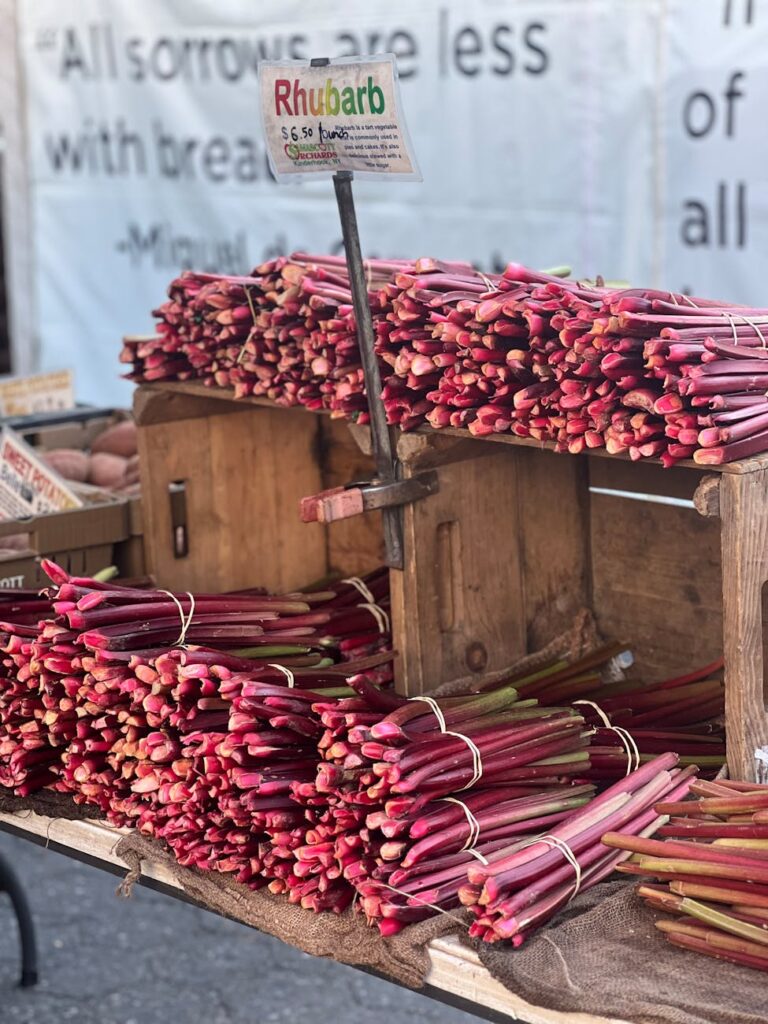
Complete Overview of Rhubarb
Introduction
Rhubarb is a unique and versatile ingredient celebrated for its distinct tart flavor and vibrant appearance. Commonly mistaken for a fruit, rhubarb is actually a vegetable belonging to the Polygonaceae family. Its culinary applications range from pies to jams, making it a popular choice in various global cuisines. This article provides a comprehensive overview of rhubarb, detailing its history, production, quality assessment, and uses, while also addressing common misconceptions and frequently asked questions.
What Is Guides?
In the context of food ingredients, “guides” are structured frameworks that provide detailed information about specific components within the culinary world. They serve as educational resources for chefs, home cooks, and food enthusiasts, offering insights into the characteristics, uses, and best practices related to various ingredients. The guide on rhubarb is structured to enhance understanding and appreciation of this compelling vegetable.
History and Origins
Rhubarb’s history dates back thousands of years, with its origins traced to the regions of China. Historically, it was primarily valued for its medicinal properties rather than its culinary uses. The Chinese referred to it as “Rhubarb,” deriving from the Latin word “rhabarbarum,” which translates to “the root of the barbarians,” a nod to its distant origins.
By the 17th century, rhubarb gained popularity in Europe, particularly in England, where it was cultivated for both its medicinal properties and culinary applications. Its introduction to North America occurred during the 19th century, where it quickly became a staple in early settler diets. Over time, rhubarb’s culinary reputation blossomed, particularly in the context of desserts, where its tartness pairs beautifully with sweeter ingredients.
Production and Processing
Rhubarb is primarily cultivated in temperate climates, with the largest producers located in the United States, specifically in states like Michigan and Washington. The plant thrives in rich, well-drained soil and requires a cold winter period to encourage growth in the spring.
Harvesting rhubarb involves cutting the stalks at the base, leaving the roots intact for future growth. The harvesting season typically spans from late spring to early summer, depending on the climate. Once harvested, rhubarb is often processed by washing and trimming the stalks, making it ready for culinary use.
In some cases, rhubarb is subjected to blanching or freezing to extend its shelf life and preserve its vibrant color and flavor. This processing is essential for ensuring that rhubarb retains its quality throughout the storage period.
Quality and Grading
The quality of rhubarb is determined by several factors, including color, texture, and size. High-quality rhubarb features vibrant, deep red or green stalks, indicating ripeness and flavor. The stalks should be firm and crisp, devoid of any blemishes or soft spots.
Grading is typically categorized into three levels: U.S. Fancy, U.S. No. 1, and U.S. No. 2. U.S. Fancy rhubarb represents the highest quality, characterized by uniformity in size and color. U.S. No. 1 has some variability but still meets acceptable standards for freshness. U.S. No. 2 may have defects that affect appearance but is still suitable for cooking or processing.
When purchasing rhubarb, consumers should look for stalks that are bright in color and firm to the touch, ensuring the best culinary experience.
Buying Considerations
When buying rhubarb, several considerations can enhance the selection process:
1. Freshness: Look for stalks that are crisp and free from wilting. Fresh rhubarb has a high water content, contributing to its texture and flavor.
2. Color: While color can vary, vibrant red stalks are often preferred for their sweetness and visual appeal. However, green stalks are equally flavorful and can be used in cooking.
3. Seasonality: Rhubarb is typically in season from late spring to early summer. Purchasing during this time ensures the best flavor and quality.
4. Organic vs. Conventional: Organic rhubarb is grown without synthetic pesticides or fertilizers. If food sourcing and environmental impact are important to you, consider choosing organic varieties.
5. Storage: If purchasing in bulk, consider how you will store the rhubarb to maintain its quality. Proper storage techniques can extend its shelf life significantly.
Uses and Applications
Rhubarb’s tart flavor makes it a versatile ingredient in both sweet and savory dishes. Its most recognized application is in desserts, where it is commonly used in pies, crumbles, and tarts. The tartness of rhubarb can be balanced with sugars or other sweet fruits, creating a harmonious blend of flavors.
In addition to desserts, rhubarb can also be used in savory dishes. It can be incorporated into sauces, chutneys, and marinades, adding depth and complexity. Furthermore, rhubarb can be utilized in beverages, including cocktails and teas, where its unique flavor profile enhances drink offerings.
Rhubarb is also gaining attention in the realm of gastronomy, where chefs experiment with it in fine dining contexts, using techniques such as pickling or pureeing to create innovative dishes.
Storage and Shelf Life
Proper storage is crucial for maintaining the quality of rhubarb. Fresh rhubarb should be kept in the refrigerator, ideally wrapped in a damp paper towel and placed in a plastic bag to retain moisture. This method can help keep rhubarb fresh for about one to two weeks.
For longer storage, rhubarb can be frozen. To do so, wash and chop the stalks, blanch them in boiling water for about one minute, and then transfer them to an ice bath to halt the cooking process. Once cooled, drain and pack the rhubarb into airtight containers or freezer bags. When properly