
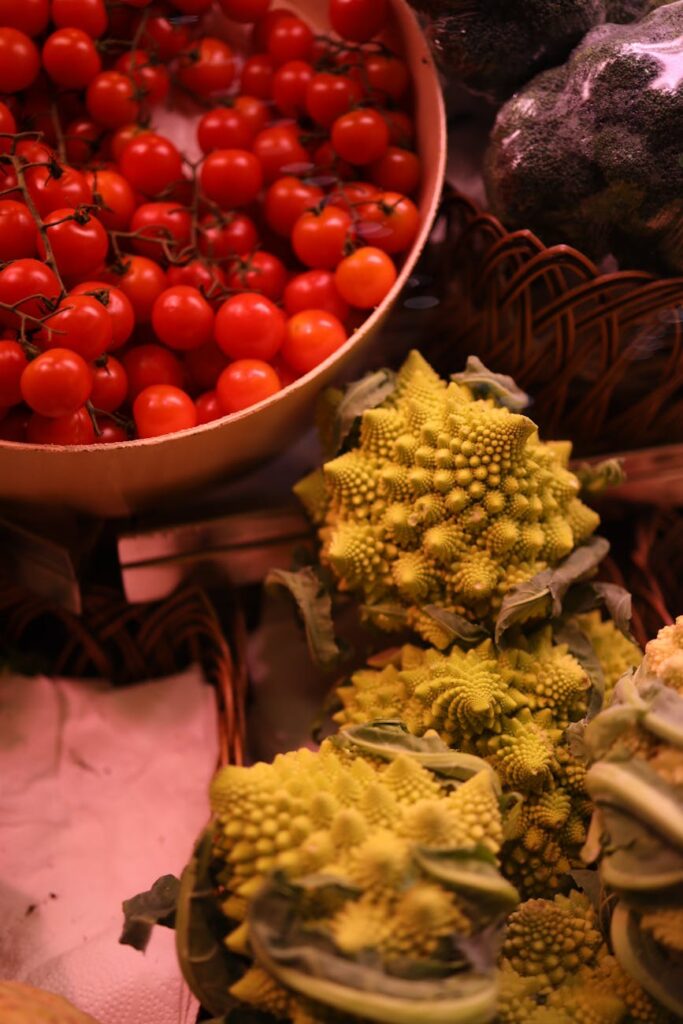
Complete Overview of Romanesco
Introduction
Romanesco, often dubbed the “vegetable with a fractal design,” is a uniquely striking member of the Brassica family, which includes other well-known vegetables like broccoli and cauliflower. With its vibrant lime-green color and intricate geometric patterns, Romanesco is not merely a feast for the eyes but also a culinary delight that has gained popularity in global cuisine. This article provides a comprehensive overview of Romanesco, exploring its history, production methods, quality grading, and various uses.
What Is Romanesco?
Romanesco is a variety of cauliflower, scientifically known as Brassica oleracea var. botrytis. It is characterized by its unique spiral formation, reminiscent of a fractal pattern, which is not only visually appealing but also a result of its specific growth conditions and genetics. The vegetable has a slightly nutty flavor, which sets it apart from its relatives. It can be used in a variety of culinary applications, ranging from simple steaming to complex gourmet dishes, and is known for its versatility in both flavor and presentation.
History and Origins
The origins of Romanesco can be traced back to Italy, where it has been cultivated for centuries. Its introduction to the culinary world is believed to have occurred in the late 16th century in the region of Lazio, particularly around Rome. Over time, Romanesco has spread across Europe and beyond, gaining popularity due to its unique appearance and flavor.
In the 1990s, Romanesco began to re-emerge in culinary circles, thanks in part to the growing interest in heirloom varieties and farm-to-table dining. Its distinctive shape and bright color make it a sought-after ingredient for chefs looking to create visually spectacular dishes.
Production and Processing
Romanesco thrives in cooler climates and is typically planted in early spring or late summer for a fall harvest. The growth cycle can span from 80 to 100 days, depending on environmental conditions. Farmers often choose to grow Romanesco in well-drained, nutrient-rich soils to optimize its growth potential.
Cultivation Techniques:
1. Soil Preparation: The soil should be tilled and enriched with organic matter to ensure adequate drainage and nutrient availability.
2. Sowing and Spacing: Seeds are generally sown indoors before being transplanted outdoors. Spacing between plants is crucial to allow for the vegetable’s large, spiraled heads to develop without competition.
3. Watering and Fertilization: Regular watering is essential, especially during the early stages of growth. Fertilizers rich in nitrogen are often applied to promote healthy leaf development.
4. Pest and Disease Management: Common pests include aphids and caterpillars, which can be managed through a combination of organic and chemical methods.
Upon harvesting, Romanesco is usually cut from the plant, with the leaves removed to enhance its shelf life. The processing methods focus on maintaining its visual appeal and freshness, including careful handling to prevent bruising.
Quality and Grading
Quality assessment of Romanesco involves examining several factors:
1. Color: The ideal Romanesco should exhibit a vibrant lime-green hue, indicative of freshness.
2. Shape: The distinctive fractal pattern should be uniform and well-formed. Irregularities may suggest poor growing conditions.
3. Firmness: A high-quality Romanesco should feel firm to the touch, without any signs of wilting or softness.
4. Leaves: The outer leaves should be fresh and green, free from discoloration or pest damage.
Grading systems can vary, but typically Romanesco is categorized into grades based on these visual qualities. Higher grades are reserved for those with superior aesthetic and taste characteristics, making them more appealing to chefs and consumers alike.
Buying Considerations
When purchasing Romanesco, there are several factors to consider to ensure you select the best quality:
1. Seasonality: Romanesco is a seasonal vegetable, typically available in late summer and fall. Buying it during its peak season will guarantee freshness.
2. Source: Local farmers’ markets and organic farms often provide the freshest options. When possible, inquire about the farm’s growing practices.
3. Appearance: Look for heads that are bright green with tightly packed florets. Avoid any that show signs of browning or soft spots.
4. Size: Smaller heads tend to be more tender and flavorful, while larger heads may be more fibrous.
Uses and Applications
Romanesco can be utilized in various culinary applications, thanks to its versatility:
1. Raw: Romanesco can be enjoyed raw, often served as part of a vegetable platter or salad. Its crunchiness and flavor make it an excellent choice for dips.
2. Steamed or Blanched: Cooking Romanesco through steaming or blanching preserves its vibrant color and allows for a tender yet firm texture, making it an ideal side dish.
3. Roasted: Roasting enhances its nutty flavor, often complemented with olive oil, garlic, and spices.
4. In Soups and Stews: Romanesco can be chopped and added to soups and stews, where it absorbs flavors while maintaining its structural integrity.
5. Garnish: Its unique shape and color make it a popular choice for garnishing dishes, adding an element of sophistication.
Storage and Shelf Life
Proper storage is crucial for maintaining the quality and flavor of Romanesco:
1. Refrigeration: Store Romanesco in the vegetable crisper drawer of the refrigerator. It can last up to a week when kept in a perforated plastic bag to allow for air circulation.
2. Avoiding Moisture: Excess moisture can lead to mold growth, so it’s advisable to keep the vegetable dry until ready for use.
3. Freezing: Romanesco can be blanched and frozen, extending its shelf life for several months. This method allows for convenient usage in future dishes.