
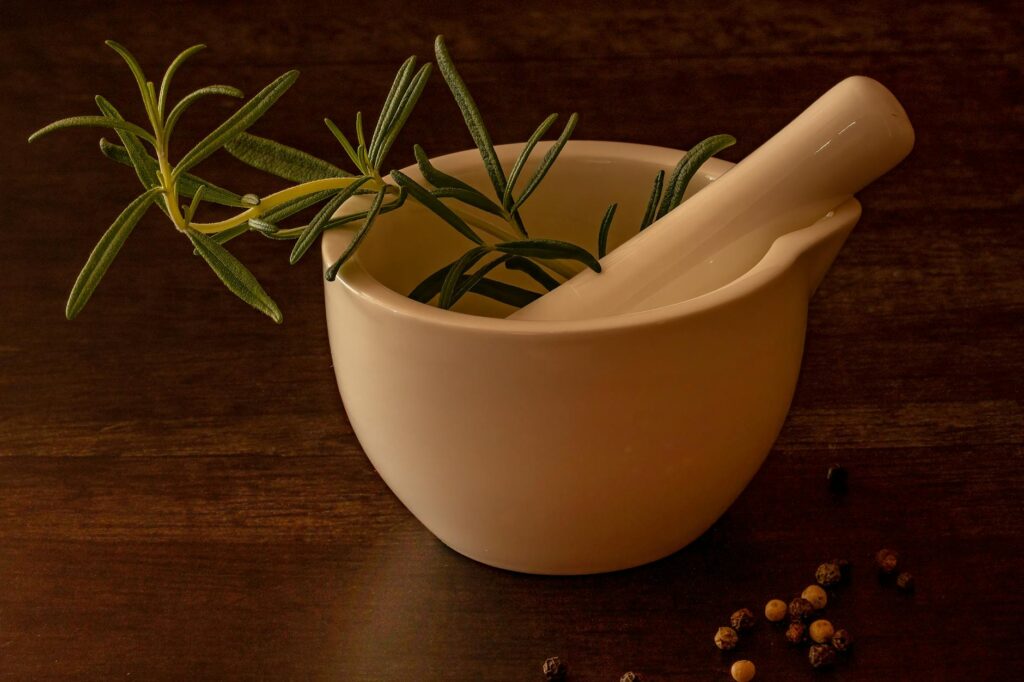
Complete Overview of Rosemary
Introduction
Rosemary (Rosmarinus officinalis) is a perennial herb belonging to the mint family (Lamiaceae). Renowned for its aromatic leaves and rich flavor profile, rosemary has been a staple in cuisines worldwide for centuries. Its versatility extends beyond culinary uses, encompassing various applications in traditional medicine, cosmetics, and household products. This comprehensive overview delves into the multifaceted aspects of rosemary, offering insights into its origins, production, uses, and much more.
What Is Guides?
In the context of culinary ingredients, “Guides” refers to detailed resources that provide essential information on a specific ingredient. These guides cover various aspects including historical significance, production methods, quality standards, and practical uses. For rosemary, such guides are invaluable for chefs, home cooks, and food enthusiasts alike, facilitating informed decisions on selection, usage, and preservation of this aromatic herb.
History and Origins
Rosemary’s history is as rich as its flavor. Native to the Mediterranean region, it has been cultivated since ancient times. The herb’s name derives from the Latin “ros marinus,” meaning “dew of the sea,” reflecting its natural habitat along coastal cliffs. Rosemary was highly regarded in ancient Greece and Rome, where it was associated with memory and fidelity, often used in weddings and funerals.
Through trade and exploration, rosemary spread across Europe and beyond. In the Middle Ages, it became a symbol of remembrance and was used in various rituals. Over time, it has ingrained itself into various culinary traditions, from Italian to Middle Eastern cuisines, serving both as a flavoring agent and a preservative.
Production and Processing
Cultivation
Rosemary thrives in well-drained, sandy soils and prefers a sunny environment. It is typically cultivated in Mediterranean climates but can also be grown in gardens worldwide. The plant is relatively hardy, requiring minimal water once established.
Harvesting
Harvesting usually occurs during the flowering period, which happens in late spring to early summer. The leaves are picked by hand, ensuring that the plant remains healthy for continued growth. The quality of rosemary is greatly influenced by the timing and method of harvesting, with early morning being the optimal time for maximum aroma and flavor.
Processing
Post-harvest, rosemary can be used fresh or dried. The drying process involves hanging the branches upside down in a well-ventilated area, away from direct sunlight, to preserve its essential oils. Once dried, the leaves are stripped from the stems and stored in airtight containers to maintain their potency.
Quality and Grading
Quality in rosemary can be assessed based on several factors including aroma, color, and leaf integrity. Fresh rosemary should have vibrant green leaves and a strong, aromatic scent. Dried rosemary, on the other hand, may be graded according to its particle size, with whole leaves being considered of higher quality than crushed or powdered forms.
Commercially, rosemary is often categorized into grades such as:
- Grade A (Premium): Bright green leaves, high aroma, and minimal stem content.
- Grade B (Standard): Acceptable aroma with moderate stem content, suitable for general culinary use.
- Grade C (Culinary): Primarily used in processed food items where flavor extraction is paramount.
Buying Considerations
When purchasing rosemary, whether fresh or dried, several factors should be taken into account:
1. Freshness: For fresh rosemary, look for vibrant green leaves without signs of wilting or browning. The stem should be firm, not limp.
2. Source: Consider buying from reputable suppliers or local farmers’ markets to ensure quality and freshness.
3. Form: Decide whether you need fresh, dried, or powdered rosemary. Fresh rosemary provides a more robust flavor, while dried rosemary is convenient for longer shelf life.
4. Organic Certification: If possible, opt for organic rosemary to avoid pesticides and other chemicals.
5. Packaging: For dried rosemary, check for airtight packaging to prevent moisture and preserve flavor.
Uses and Applications
Rosemary is celebrated for its versatility across culinary, cosmetic, and medicinal realms.
Culinary Uses
In the kitchen, rosemary is a popular herb for seasoning various dishes, including meats, vegetables, and baked goods. It pairs exceptionally well with lamb, chicken, and roasted potatoes. The fresh leaves can be used whole or finely chopped, while dried rosemary is often infused in oils or marinades.
Cosmetic Applications
Due to its aromatic properties, rosemary oil is commonly utilized in the cosmetic industry. It is often found in shampoos, conditioners, and skincare products for its refreshing scent and potential benefits for the scalp and hair.
Household Uses
In households, rosemary is often used as a natural insect repellent. Its strong scent is effective in deterring pests, making it a popular choice for organic gardening.
Storage and Shelf Life
Fresh Rosemary
Fresh rosemary should be stored in a cool, dark place, ideally in the refrigerator. It can be wrapped in a damp paper towel and placed inside a plastic bag to retain moisture. Under proper conditions, fresh rosemary can last up to two weeks.
Dried Rosemary
Dried rosemary should be kept in an airtight container in a cool, dark pantry. When stored correctly, it can maintain its flavor for up to six months to a year. However, for optimal flavor, it is advisable to use dried rosemary within six months.
Common Misconceptions
Rosemary Is Just for Meat Dishes
One of the prevalent misconceptions is that rosemary is exclusively a meat herb. While it indeed enhances the flavor of various meats, its aromatic profile complements a wide range of dishes, including soups, stews, and even desserts.
Rosemary and Pine Are the Same
Some people confuse rosemary with pine due to their similar aromatic qualities. However, while both belong to the Lamiaceae family, rosemary has a distinct