
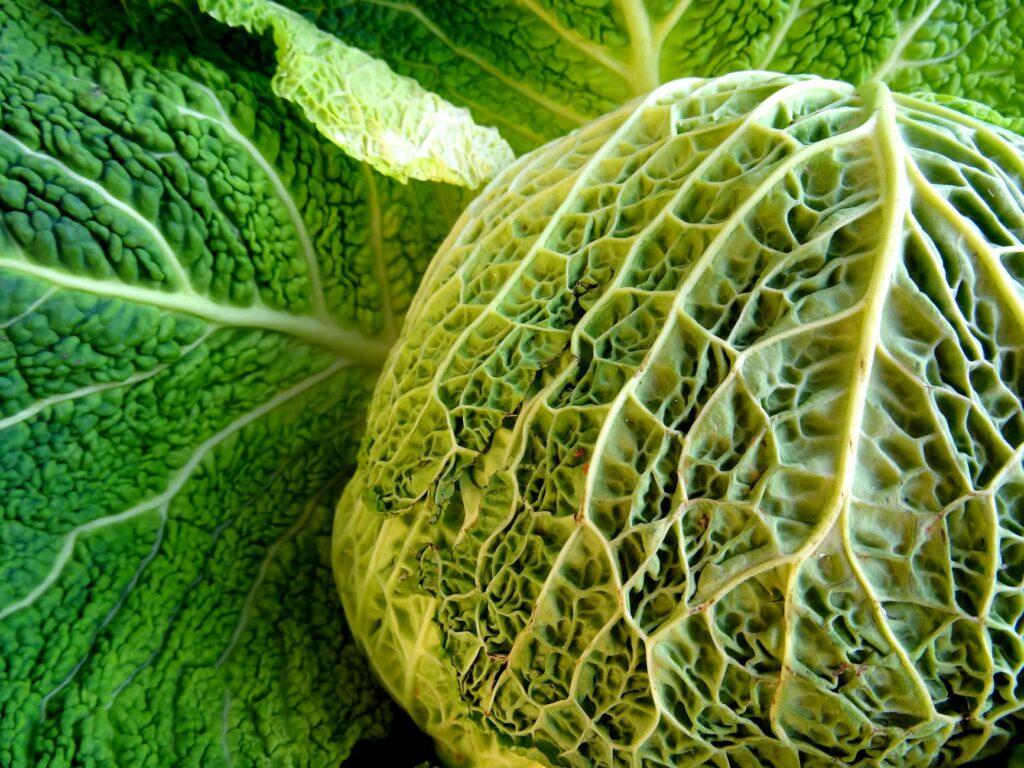
Complete Overview of Savoy Cabbage
Introduction
Savoy cabbage, known for its crinkled leaves and unique flavor profile, is a versatile vegetable that has carved a niche for itself in global cuisine. Its striking appearance and tender texture make it a favorite among chefs and home cooks alike. Beyond its aesthetic appeal, Savoy cabbage is an ingredient rich in history and nutritional value. This comprehensive overview aims to provide in-depth insights into Savoy cabbage, covering its origins, production, quality, and much more.
What Is Savoy Cabbage?
Savoy cabbage is a variety of cabbage (Brassica oleracea var. sabauda) characterized by its crinkled, dark green leaves and a milder flavor compared to its smoother-leaved relatives. This leafy vegetable is part of the Brassica family, which also includes broccoli, cauliflower, and kale. Its unique texture and taste make it suitable for a variety of culinary applications, from salads to hearty stews.
History and Origins
The history of Savoy cabbage can be traced back to the Mediterranean region, where it was cultivated for its edible leaves. The name “Savoy” is derived from the Savoy region in France, where this variety was particularly popular. Historical records suggest that it was grown as early as the 16th century, with its cultivation spreading throughout Europe over subsequent centuries.
Savoy cabbage gained prominence in British and French cuisines, especially in the 18th and 19th centuries. Its ability to withstand colder climates made it a staple during winter months, providing essential nutrients during times when other fresh vegetables were scarce. Today, it is cultivated in various countries, including France, Italy, and the United States.
Production and Processing
Savoy cabbage thrives in temperate climates and is typically planted in early spring or late summer for a fall harvest. The growing season lasts around 70 to 90 days, depending on the variety and local climate conditions. Farmers often choose well-drained, fertile soil enriched with organic matter to promote healthy growth.
Once harvested, Savoy cabbage undergoes a processing phase that may include washing, trimming, and packaging for distribution. Maintaining its quality during processing is essential, as the delicate leaves can bruise easily. It is often sold fresh, but some producers also offer frozen or pickled versions, expanding its availability throughout the year.
Quality and Grading
The quality of Savoy cabbage is determined by several factors, including leaf texture, color, and overall freshness. High-quality Savoy cabbage should exhibit vibrant green leaves that are free from blemishes and signs of wilting. The leaves should be tightly packed, indicating freshness and optimal water content.
Grading systems can vary by region, but generally, Savoy cabbage is classified into grades such as U.S. No. 1, U.S. No. 2, and U.S. No. 3 in the United States. U.S. No. 1 represents the highest quality, featuring well-formed heads with no defects, while lower grades may show signs of damage or age.
Buying Considerations
When purchasing Savoy cabbage, consider the following factors to ensure you select the best quality:
1. Appearance: Look for heads that are firm to the touch, with tightly packed leaves. Avoid any cabbage that shows signs of wilting or discoloration.
2. Weight: A heavier head usually indicates more moisture content, which is a sign of freshness.
3. Storage Conditions: Ensure that the cabbage has been stored properly. It should be kept in a cool, dry environment, away from direct sunlight.
4. Seasonality: Savoy cabbage is typically in season from late fall to early spring. Buying in-season can guarantee better quality and flavor.
5. Organic vs. Conventional: Consider whether you prefer organic produce, which may offer benefits in terms of pesticide exposure and environmental impact.
Uses and Applications
Savoy cabbage is a versatile ingredient that can be used in various culinary applications. Its tender leaves make it suitable for both raw and cooked dishes. Here are some common uses:
- Salads: Shredded Savoy cabbage can add a crunchy texture to salads, complementing other fresh ingredients.
- Stir-Fries: Its mild flavor allows it to blend well with other vegetables and proteins in stir-fry dishes.
- Soups and Stews: Savoy cabbage can be added to hearty soups and stews, where it absorbs flavors while maintaining its structure.
- Fermentation: It is often used in fermentation processes to produce sauerkraut and kimchi, enhancing its probiotic properties.
- Wraps: The leaves can be blanched and used as a healthy alternative to tortillas or bread for wraps.
- Whole Heads: Keep the cabbage intact, as cutting it can accelerate spoilage.
- Humidity: Store in a perforated plastic bag to maintain humidity while allowing for air circulation.
- Avoid Ethylene Producers: Keep Savoy cabbage away from fruits such as apples and bananas that emit ethylene gas, which can hasten spoilage.
Storage and Shelf Life
Proper storage is crucial for maintaining the quality and freshness of Savoy cabbage. When stored in a refrigerator, it can last for about one to two weeks. Here are some tips:
If you notice any wilting, you can revive the cabbage by soaking it in cold water for a few hours. However, once the leaves start turning yellow or brown, it is best to discard them.
Common Misconceptions
Despite its popularity, several misconceptions surround Savoy cabbage:
1. All Cabbage Tastes the Same: Many believe that all cabbage varieties have the same flavor profile. In reality, Savoy cabbage is milder and sweeter than green or red cabbage.
2. Savoy Cabbage Is Difficult to Prepare