
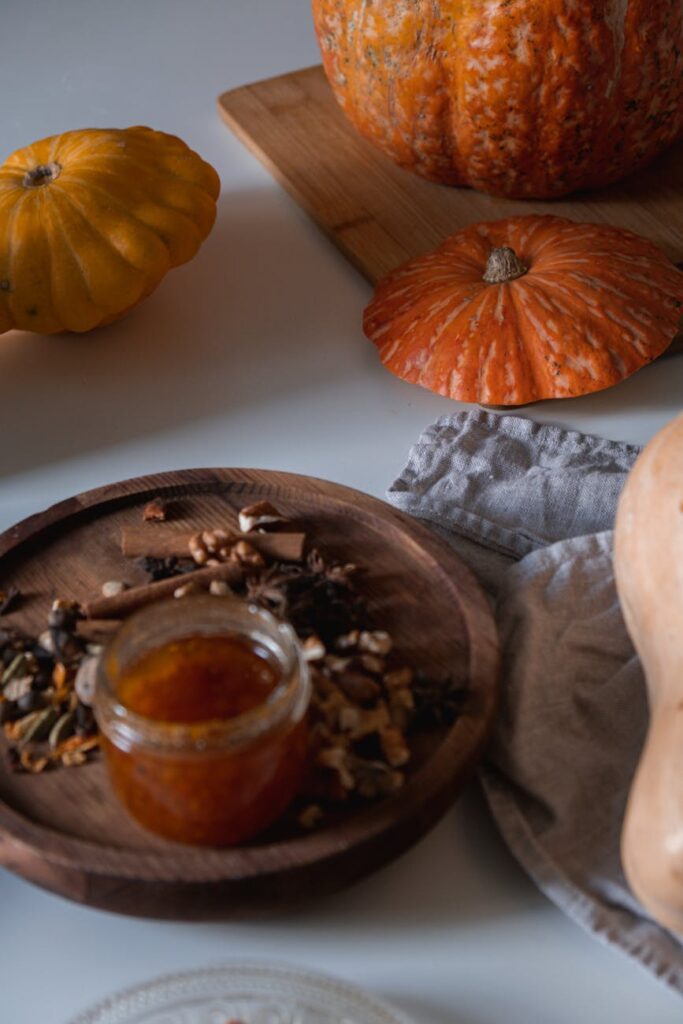
Complete Overview of Squash
Introduction
Squash is a versatile and nutritious ingredient that has garnered popularity across global cuisines. Belonging to the species Cucurbita, squash encompasses a variety of types, each offering unique flavors, textures, and culinary applications. From the summer varieties like zucchini to the hearty winter types such as butternut and acorn squash, these vegetables play a crucial role not only in cooking but also in agricultural diversity. This comprehensive guide aims to provide an in-depth understanding of squash, covering its history, production, quality standards, and much more.
What Is Guides?
In the context of food ingredients, “guides” refer to comprehensive resources that offer insights and detailed information about specific ingredients. Guides help consumers, chefs, and food enthusiasts understand the nuances of an ingredient, including its varieties, uses, and best practices for buying and storing. The guide on squash serves to enlighten readers on this vital ingredient, enhancing their culinary experience and appreciation.
History and Origins
Squash is believed to have originated in Central and South America over 10,000 years ago. Archaeological evidence suggests that early Mesoamerican cultures cultivated squash alongside beans and maize, forming a triad of staple foods known as the “Three Sisters.” The domestication of squash led to various cultivars, which were eventually spread throughout North America and Europe with the advent of European exploration.
In North America, indigenous peoples cultivated different types of squash, each adapted to their local climate and soil conditions. The introduction of squash to Europe in the 16th century marked a significant moment in culinary history, leading to the development of diverse recipes and cooking techniques. Today, squash is grown globally, with major production occurring in the United States, Mexico, China, and Italy.
Production and Processing
The production of squash is a significant agricultural endeavor, characterized by its adaptability to various climates and soil types. Squash is generally categorized into two primary types: summer squash and winter squash.
Summer Squash
Summer squash, including varieties like zucchini and yellow squash, is typically harvested when immature. These squash are known for their tender skin and high moisture content. The growing season for summer squash is relatively short, requiring warm temperatures and well-drained soil.
Winter Squash
Winter squash, such as butternut, acorn, and pumpkin, is harvested when mature. These varieties have a hard outer shell, allowing them to be stored for extended periods. Winter squash requires a longer growing season and is generally planted in warmer months, with harvesting occurring in late summer to early autumn.
Processing
Once harvested, squash undergoes various processing methods to ensure quality and prolong shelf life. These methods may include washing, grading, and packaging. For commercial distribution, squash is often subjected to standard quality checks, including inspections for blemishes, firmness, and overall appearance.
Quality and Grading
Quality and grading standards for squash are essential for ensuring consumer satisfaction and maintaining market value. In many countries, squash is graded based on size, shape, color, and the absence of defects.
Grading Systems
The United States Department of Agriculture (USDA) utilizes a grading system that categorizes squash into different classes. For instance, Grade A squash is typically free from blemishes and has a uniform appearance, while lower grades may exhibit minor imperfections.
Criteria for Quality Assessment
- Size and Shape: Uniformity in size and shape is crucial for visual appeal.
- Color: Rich, vibrant colors indicate freshness and ripeness.
- Firmness: Fresh squash should feel firm to the touch without soft spots.
- Defects: The absence of blemishes, cuts, or discoloration is vital for higher grading.
- Texture: The skin should be smooth and free of blemishes.
- Weight: A heavy squash for its size indicates freshness and moisture content.
- Stems: For winter squash, a dried stem is an indicator of ripeness.
- Soups and Stews: Winter squash varieties like butternut and acorn are often pureed into creamy soups.
- Salads: Grated summer squash can add a fresh, crunchy element to salads.
- Side Dishes: Roasted squash can serve as a flavorful side dish, showcasing its natural sweetness.
- Baking: Squash can be incorporated into baked goods, providing moisture and a subtle flavor.
- Summer Squash: Best stored in the refrigerator, summer squash typically lasts for about 1 week. Store it in a perforated plastic bag to retain moisture while allowing airflow.
- Winter Squash: Winter squash can be stored in
Buying Considerations
When purchasing squash, several factors should be taken into account to ensure optimal quality and freshness.
Types of Squash
Understanding the specific type of squash you need for your culinary application is paramount. Summer squash is best for quick cooking methods like grilling or sautéing, while winter squash is ideal for roasting and longer cooking processes.
Seasonal Availability
Squash is generally available year-round, but the peak seasons for each type may vary. Summer squash is often at its best during late spring and summer, while winter squash is typically harvested from late summer to early autumn.
Visual Indicators
When selecting squash, look for:
Uses and Applications
Squash is celebrated for its versatility in culinary applications. Different varieties lend themselves to a range of cooking methods, from roasting and baking to steaming and grilling.
Culinary Applications
Non-Culinary Uses
Beyond the kitchen, squash has applications in decorative arts, particularly during the autumn season. Pumpkins, a type of winter squash, are commonly used for Halloween decorations, while other varieties may be utilized for ornamental purposes.
Storage and Shelf Life
Proper storage is essential to maintain the quality and extend the shelf life of squash.