
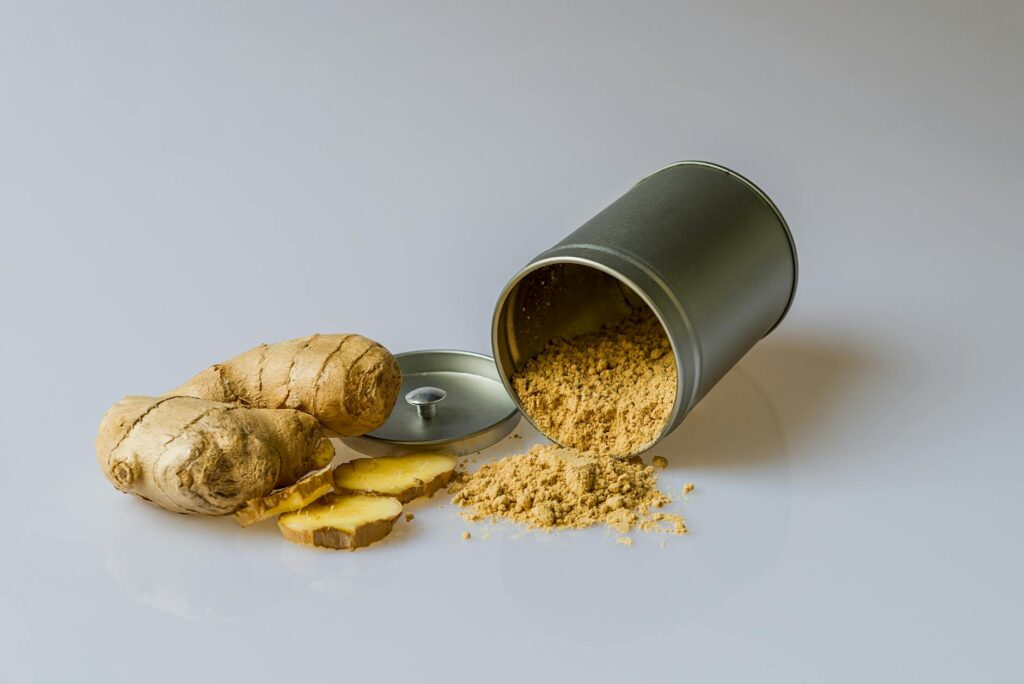
Complete Overview of Sunchoke
Introduction
The sunchoke, also known as the Jerusalem artichoke, is a tuber that has garnered increasing attention in culinary and nutritional circles. With its unique flavor profile and versatility, it serves as an excellent addition to various dishes. This article provides a comprehensive overview of sunchokes, covering their history, production, quality considerations, uses, and more.
What Is Sunchoke?
Sunchokes (Helianthus tuberosus) are the edible tuberous roots of a species of sunflower native to North America. They are characterized by their knobby, irregular shape and can vary in color from pale yellow to deep purple. The flavor is often described as a cross between artichokes and potatoes, with a slightly nutty and sweet taste. Sunchokes are gluten-free and rich in inulin, a type of soluble fiber, making them a desirable ingredient for many diets.
History and Origins
Sunchokes have a rich history that dates back to Indigenous cultures in North America, where they were cultivated long before European settlers arrived. They were a staple food source for many Native American tribes, valued for their nutritional qualities and ease of cultivation. The name “Jerusalem artichoke” is somewhat misleading; it likely originated from a misinterpretation of the Italian word “girasole,” meaning “sunflower,” due to the plant’s resemblance to the sunflower family.
In the 17th century, sunchokes were introduced to Europe, where they gained popularity as a food source. However, they fell out of favor for a time, only to resurface in modern cuisine, particularly in farm-to-table and gourmet cooking circles.
Production and Processing
Sunchokes thrive in a variety of climates but prefer well-drained soil and full sunlight. They are typically planted in the spring and harvested in late fall or early winter. Unlike many crops, sunchokes can withstand frost, which can enhance their flavor by converting starches into sugars.
Once harvested, sunchokes undergo minimal processing. The tubers are typically washed and sorted before being sent to market. Due to their delicate skin, care must be taken during handling to prevent bruising. The tubers can be sold fresh or processed into products like sunchoke flour or purée.
Quality and Grading
When evaluating sunchokes, several quality indicators should be considered:
1. Appearance: Quality sunchokes should be firm, with smooth skin and minimal blemishes. Irregular shapes are common, but excessive wrinkling or softness can indicate spoilage.
2. Size: Sunchokes can vary in size, but medium-sized tubers are often preferred for culinary use. Larger tubers may have a tougher texture.
3. Color: While coloration can vary, a uniform hue is generally a sign of quality. Tubers that are turning dark or showing signs of decay should be avoided.
4. Freshness: The best sunchokes are harvested recently. Check for a firm texture and a fresh, earthy smell.
Grading systems may vary by region, but these indicators can serve as a general guide for consumers and chefs alike.
Buying Considerations
When purchasing sunchokes, consider the following factors:
1. Seasonality: Sunchokes are typically harvested in the fall and winter months. Look for them during this time for the freshest options.
2. Source: If possible, buy from local farmers’ markets or specialty grocers that emphasize organic and sustainable practices. This not only supports local agriculture but also often ensures higher quality produce.
3. Storage: As sunchokes are perishable, consider how you plan to store them. Fresh sunchokes should ideally be used within a few weeks of purchase.
4. Preparation: While sunchokes can be eaten raw, they are often cooked. Ensure you have the right tools for cleaning and preparing them, as their knobby shape may require a bit of additional effort.
Uses and Applications
Sunchokes are incredibly versatile and can be used in a variety of culinary applications:
1. Raw: Thinly sliced or grated, sunchokes can add a crunchy texture to salads and slaws. Their nutty flavor pairs well with vinaigrettes and creamy dressings.
2. Cooked: Roasting is a popular method that enhances their natural sweetness. They can also be boiled, steamed, or puréed for soups. Their unique flavor makes them an excellent addition to gratins and casseroles.
3. Pickling: Sunchokes can be pickled to create tangy snacks or condiments. This method preserves their crunch while adding a distinct flavor.
4. Flour and Purée: Processed sunchokes can be transformed into flour for gluten-free baking or puréed for soups and sauces.
5. Garnish: Sunchoke chips can serve as an elegant garnish for various dishes, adding both flavor and visual appeal.
Storage and Shelf Life
For optimal freshness, sunchokes should be stored in a cool, dark, and dry place. A root cellar or refrigerator crisper drawer is ideal. When properly stored, sunchokes can last for several weeks. However, their shelf life is shorter than that of many other root vegetables due to their high moisture content.
If you notice any soft spots or sprouting, it’s best to use the affected tubers as soon as possible. Sunchokes can also be blanched and frozen for longer storage, although this may alter their texture.
Common Misconceptions
1. Sunchokes are artichokes: Despite the name “Jerusalem artichoke,” sunchokes are not related to artichokes. They are tubers from a type of sunflower.
2. Sunchokes are hard to