
Complete Overview of Sweet Potato
Introduction
Sweet potatoes (Ipomoea batatas) are versatile tubers that have gained prominence in culinary traditions worldwide. Renowned for their distinctive flavor, vibrant color, and nutritional benefits, sweet potatoes hold an esteemed place in global cuisine. This article delves into the multifaceted nature of sweet potatoes, exploring their history, production, quality considerations, and various applications.
What Is Guides?
In the context of food ingredients, “Guides” refers to comprehensive resources that outline essential information about specific ingredients. These guides serve to educate consumers, chefs, and food enthusiasts on various aspects of the ingredient, including its characteristics, uses, and best practices for selection and storage. The purpose of this guide on sweet potatoes is to provide a thorough understanding of their significance in culinary practices and their role in nutrition.
History and Origins
Sweet potatoes are believed to have originated in Central and South America, with evidence of their consumption dating back over 5,000 years. They were cultivated by ancient civilizations, including the Incas and the Aztecs, who prized them for their sweet flavor and nutritional value. The Spanish and Portuguese brought sweet potatoes to Europe in the 16th century, where they were subsequently introduced to Africa and Asia.
Today, sweet potatoes are cultivated globally, with significant production in countries like China, the United States, and Nigeria. Their adaptability to various climates and soil types has made them a staple food in many cultures, contributing to their popularity across continents.
Production and Processing
The cultivation of sweet potatoes begins with the selection of high-quality seed potatoes, which are typically grown in nurseries. The plants thrive in well-drained soils and require a warm climate for optimal growth. Harvesting usually occurs 90 to 170 days after planting, depending on the variety and growing conditions.
Post-harvest processing is crucial for maintaining the quality of sweet potatoes. After harvesting, they are cured for a period to enhance sweetness and extend shelf life. This curing process involves storing the tubers in a warm, humid environment, allowing enzymes to convert starches into sugars. Following curing, sweet potatoes may be sorted, washed, and packaged for distribution.
Quality and Grading
The quality of sweet potatoes is assessed based on several criteria, including appearance, size, and absence of defects. Grading standards vary by region and market, but common classifications include:
- US Fancy: This grade represents the highest quality, characterized by smooth skin, uniform shape, and minimal blemishes.
- US No. 1: This grade includes sweet potatoes that may have slight imperfections but still meet quality standards for size and shape.
- US No. 2: This grade encompasses sweet potatoes with more significant blemishes or irregular shapes but are still edible.
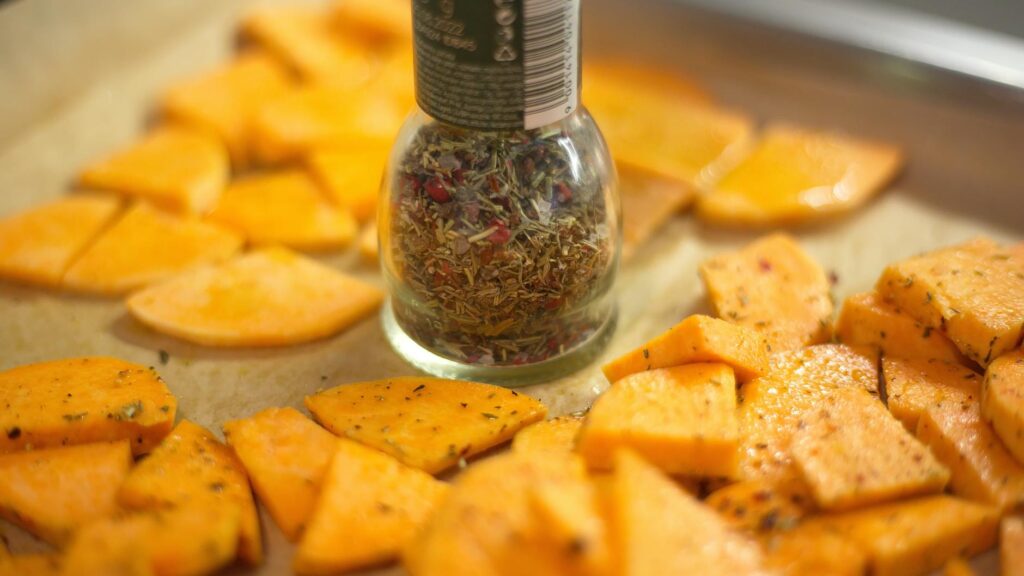
- Baking: Sweet potatoes can be roasted or baked whole, bringing out their natural sweetness and enhancing their flavor profile.
- Mash: Mashed sweet potatoes are a popular side dish, often served with butter, spices, or herbs.
- Frying: Sliced or cubed sweet potatoes can be fried to create sweet potato fries or chips, offering a healthier alternative to traditional potato products.
- Soups and Stews: Sweet potatoes add depth and sweetness to soups and stews, complementing savory ingredients.
- Desserts: Their sweetness makes them a popular ingredient in pies, cakes, and other confections.
- Nutritional Supplements: Sweet potatoes are often processed into powders or flakes, utilized in smoothies, energy bars, and other health-focused products.
- Temperature: Store sweet potatoes in a cool, dry place with temperatures between 55°F and 60°F (13°C to 16°C). Avoid refrigeration, as cold temperatures can negatively affect their flavor and texture.
- Humidity: Maintain moderate humidity levels to prevent shriveling. A well-ventilated basket or crate is ideal for storage.
- Shelf Life: When stored properly, sweet potatoes can last several weeks to months. However, it is advisable to use them within a few weeks for the best flavor and texture.
When purchasing sweet potatoes, consumers should look for firm, unblemished tubers with smooth skin. Avoid those with soft spots, wrinkles, or signs of sprouting, as these may indicate spoilage.
Buying Considerations
When buying sweet potatoes, several factors should be considered to ensure the best quality:
1. Variety: Different varieties of sweet potatoes exist, including orange-fleshed, purple-fleshed, and white-fleshed types. Each variety has its unique flavor profile and culinary applications.
2. Seasonality: Sweet potatoes are typically harvested in the fall, making late summer to early winter the best time to purchase fresh, locally grown tubers.
3. Origin: Knowing the origin can help consumers make informed choices, as different regions may have varying agricultural practices.
4. Organic vs. Conventional: Organic sweet potatoes are grown without synthetic pesticides and fertilizers, appealing to those seeking more sustainable food choices.
5. Storage Conditions: Check for proper storage conditions at the point of sale. Sweet potatoes should be kept in a cool, dry place, away from direct sunlight.
Uses and Applications
Sweet potatoes possess a remarkable versatility that allows them to be used in a range of culinary applications. Some common uses include:
Storage and Shelf Life
Proper storage is essential to maximize the shelf life of sweet potatoes. Here are some guidelines:
Common Misconceptions
Several misconceptions about sweet potatoes persist, often leading to confusion among consumers:
1. Sweet Potatoes vs. Yams: Many people mistakenly refer to sweet potatoes as yams. True yams are a different species altogether, typically found in African and Caribbean cuisines.
2. Nutritional Value: Some believe that all sweet potatoes