
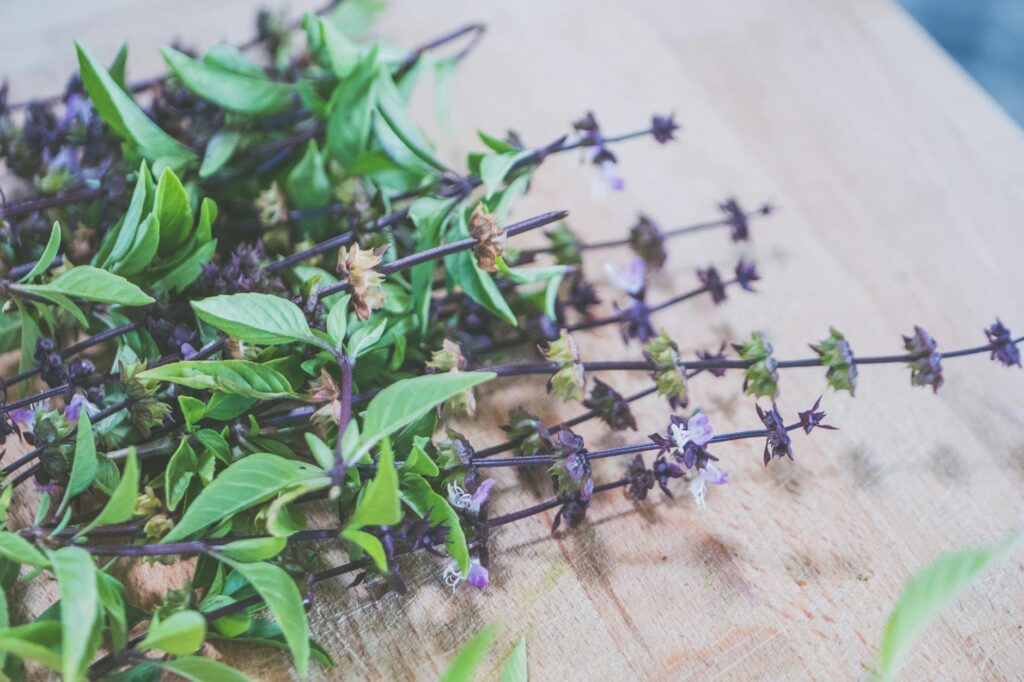
Complete Overview of Thai Basil
Introduction
Thai basil, known scientifically as Ocimum basilicum var. thunbergii, is a fragrant herb that is integral to Southeast Asian cuisine, particularly Thai dishes. Its distinct flavor profile, characterized by a sweet, slightly peppery taste with an anise-like aroma, makes it a favored ingredient in various culinary applications. This article delves into the nuances of Thai basil, exploring its history, production, quality grading, buying considerations, and more, offering a comprehensive guide for culinary enthusiasts and professionals alike.
What Is Thai Basil?
Thai basil is a variety of basil that differs from its more common counterpart, sweet basil (Ocimum basilicum). While both belong to the same family, Thai basil is distinguishable by its narrow, pointed leaves, purple stems, and small purple flowers. The herb thrives in warm climates and is cultivated extensively in countries such as Thailand, Vietnam, and Cambodia. Its unique flavor makes it an essential ingredient in many traditional dishes, including curries, soups, and stir-fries, where it is often used fresh to preserve its aromatic qualities.
History and Origins
Thai basil has a rich history that traces back to Southeast Asia, where it has been cultivated for centuries. It is believed to have originated in India and gradually spread through trade routes, eventually becoming a staple in Thai cuisine. The herb is often associated with Thai culture and is used in religious ceremonies, traditional medicine, and culinary practices.
The variety of Thai basil that is most commonly found in culinary use today is known as “Horapa” in Thai. The herb’s adaptability to different climates and its resilience in tropical environments have contributed to its widespread cultivation. Today, Thai basil is not only a staple in Thailand but has also gained popularity in Western countries, where it is appreciated for its unique flavor and versatility.
Production and Processing
Thai basil is predominantly grown in tropical and subtropical climates. The herb thrives in well-drained soil rich in organic matter, with plenty of sunlight and moderate moisture. Cultivation typically involves planting seeds or cuttings in rows, ensuring adequate spacing to allow for healthy growth. Farmers often utilize organic farming practices to enhance flavor and ensure sustainability.
Harvesting usually occurs when the plants are about 12 to 18 inches tall, and it is recommended to collect leaves just before the flowers bloom to maximize flavor. Post-harvest, the leaves are washed, sorted, and packaged for distribution. Processing methods may vary; however, fresh Thai basil is often preferred in culinary applications, while dried versions are also available. Dried basil tends to lose much of its aromatic qualities, making fresh basil the preferred choice for flavor-sensitive dishes.
Quality and Grading
The quality of Thai basil is influenced by several factors, including growth conditions, harvesting methods, and post-harvest handling. High-quality Thai basil should exhibit vibrant green leaves, a strong aroma, and a tender texture. When assessing quality, consider the following grading criteria:
1. Appearance: Leaves should be bright green, free from blemishes, wilting, or yellowing.
2. Aroma: High-quality Thai basil emits a strong, fragrant aroma, indicative of its essential oils.
3. Texture: The leaves should be tender and pliable, not dry or brittle.
4. Flavor: Fresh Thai basil should have a sweet, peppery flavor with hints of anise.
Grading systems may vary by region, but these criteria remain consistent among producers and consumers seeking the best quality Thai basil.
Buying Considerations
When purchasing Thai basil, several factors should be taken into account to ensure you select the best quality product:
1. Source: Opt for locally sourced basil when possible to ensure freshness. Farmers’ markets and specialty grocery stores often carry high-quality, fresh herbs.
2. Seasonality: Thai basil is typically in season during warm months. Purchasing during its peak season often results in better flavor and quality.
3. Form: Fresh basil is preferred for cooking due to its vibrant flavor. If fresh basil is unavailable, consider looking for frozen basil or high-quality dried variants.
4. Storage: Assess how the basil has been stored. Fresh basil should be kept in a cool, dry place and ideally wrapped in a damp paper towel to maintain moisture.
By considering these factors, buyers can ensure they are selecting the best Thai basil for their culinary needs.
Uses and Applications
Thai basil is highly versatile and can be used in a variety of culinary applications. Its unique flavor profile makes it a popular choice in both traditional and modern cuisine. Here are some common uses:
- Soups and Curries: Thai basil is a fundamental ingredient in many Thai soups and curries, adding depth and complexity to the dish.
- Stir-Fries: The herb is often added to stir-fried dishes at the end of cooking to preserve its aromatic qualities.
- Salads: Fresh Thai basil can be incorporated into salads, providing a refreshing twist to traditional dressings.
- Garnish: The vibrant color and aromatic profile of Thai basil make it an ideal garnish for various dishes, enhancing both visual appeal and flavor.
- Herb Blends: Thai basil can be combined with other herbs, such as cilantro and mint, to create complex flavor profiles in marinades and sauces.
- Refrigeration: Fresh Thai basil can be stored in the refrigerator. Wrap the stems in a damp paper towel and place them in a plastic bag to retain moisture.
- Water Method: Alternatively, you can place the basil stems in a glass of water
Its aromatic qualities also lend themselves well to infusion in oils and vinegars, which can be used as base ingredients for dressings or marinades.
Storage and Shelf Life
Proper storage is crucial for maintaining the freshness and flavor of Thai basil. Here are some storage tips: