
Complete Overview of Zucchini
Introduction
Zucchini, also known as courgette in some regions, is a versatile summer squash belonging to the Cucurbitaceae family. Its mild flavor and adaptable texture make it a staple in kitchens around the world, suitable for a myriad of culinary applications. This comprehensive guide delves into the multifaceted aspects of zucchini, from its history and production to its uses and common misconceptions.
What Is Zucchini?
Zucchini is a type of squash that is typically harvested while still immature, meaning it is picked before its seeds harden and its skin toughens. The fruit can vary in color from dark green to yellow, and while it is most often used in savory dishes, its subtle flavor allows it to be incorporated into sweet recipes as well. Zucchini is low in calories and rich in vitamins and minerals, making it a popular choice for health-conscious consumers.
History and Origins
Zucchini originated in the Americas and was later cultivated by indigenous peoples long before European contact. However, the modern varieties we recognize today were developed in Italy during the late 19th century. The name “zucchini” is derived from the Italian word “zucchina,” which means “small squash.”
Zucchini gained popularity in the United States in the 20th century, particularly during the 1920s and 1930s. Its adaptability to various climates and growing conditions contributed to its widespread cultivation. Today, zucchini is grown in numerous countries, with significant production in the United States, Italy, and Mexico.
Production and Processing
Zucchini is typically grown in warm climates with ample sunlight. It thrives in well-drained soil that is rich in organic matter. The growing season for zucchini is generally from late spring to early fall. Farmers usually plant the seeds directly in the ground, and within a few weeks, the plants begin to bear fruit.
Harvesting zucchini is a labor-intensive process, as it must be picked by hand when the fruit is young and tender. This ensures that the zucchini maintains its delicate flavor and texture. Once harvested, zucchini can be processed in various ways, including slicing, dicing, or pureeing for use in different culinary applications.
Quality and Grading
The quality of zucchini is determined by a variety of factors, including size, color, and texture. Ideal zucchini should be firm, glossy, and free of blemishes or soft spots. The skin should be smooth, and the vegetable should feel heavy for its size.
Grading standards can vary by country, but generally, zucchini is classified into three main grades:
1. Grade A: These zucchinis are of the highest quality, exhibiting uniform size, color, and firmness.
2. Grade B: This grade includes zucchini that may have slight imperfections but is still suitable for consumption.
3. Grade C: Zucchini in this category may have significant blemishes or deformities and is often used for processing rather than fresh consumption.
Buying Considerations
When purchasing zucchini, consumers should look for fresh, firm specimens. The size can vary, but smaller zucchinis often have better flavor and texture. While larger zucchinis can be used for cooking, they may have a more fibrous texture and larger seeds.
It is advisable to buy organic zucchini when possible, as conventional varieties may be treated with pesticides that can linger on the skin. If not organic, thoroughly washing zucchini before consumption is recommended.
Additionally, purchasing zucchini that is in season can ensure better quality and flavor. In many regions, zucchini is typically in season during the summer months.
Uses and Applications
Zucchini is remarkably versatile and can be used in a wide range of culinary applications. Its mild flavor allows it to complement various dishes, from salads and stir-fries to baked goods. Here are some common uses:
- Salads: Fresh zucchini can be sliced or spiralized into salads, adding a crunchy texture.
- Soups: Pureed zucchini can serve as a base for creamy soups or added to vegetable broths for flavor.
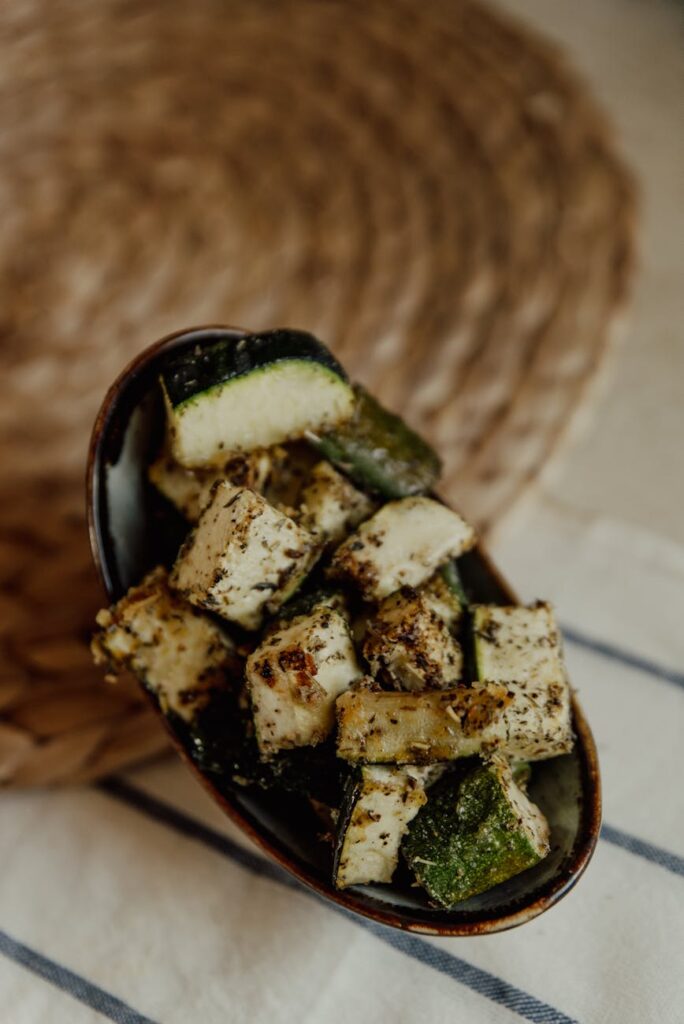
- Grilling and Roasting: Zucchini holds up well to grilling and roasting, where its natural sugars caramelize, enhancing its flavor.
- Baking: Zucchini can be incorporated into baked goods like bread and muffins, serving as a moistening agent.
- Pasta Alternatives: Spiralized zucchini offers a gluten-free alternative to traditional pasta, often referred to as “zoodles.”
- Refrigeration: Store zucchini in the vegetable crisper drawer of the refrigerator, where it can last up to a week. It is best to keep it unwashed until ready to use, as excess moisture can lead to spoilage.
- Freezing: For longer-term storage, zucchini can be blanched and frozen. Cut it into slices or cubes, blanch for a few minutes in boiling water, then quickly cool in ice water before freezing. Properly stored, frozen zucchini can last for up to a year.
- Canning: Zucchini can also be preserved through canning, although it is often used in combination with other ingredients.
- Zucchini is a vegetable: While commonly treated as a vegetable in culinary contexts, zucchini is botanically a fruit, as it develops from the flower of the zucchini plant and contains seeds.
- All zucchini are the same: There are numerous varieties of zucchini, each with its unique flavor and texture. Common varieties include green, yellow, and
The adaptability of zucchini in both sweet and savory dishes makes it a valuable ingredient in diverse cuisines worldwide.
Storage and Shelf Life
Proper storage of zucchini is crucial to maintaining its quality. Here are some guidelines:
Common Misconceptions
Despite its popularity, zucchini is often surrounded by misconceptions that can lead to confusion. Some of these include: