
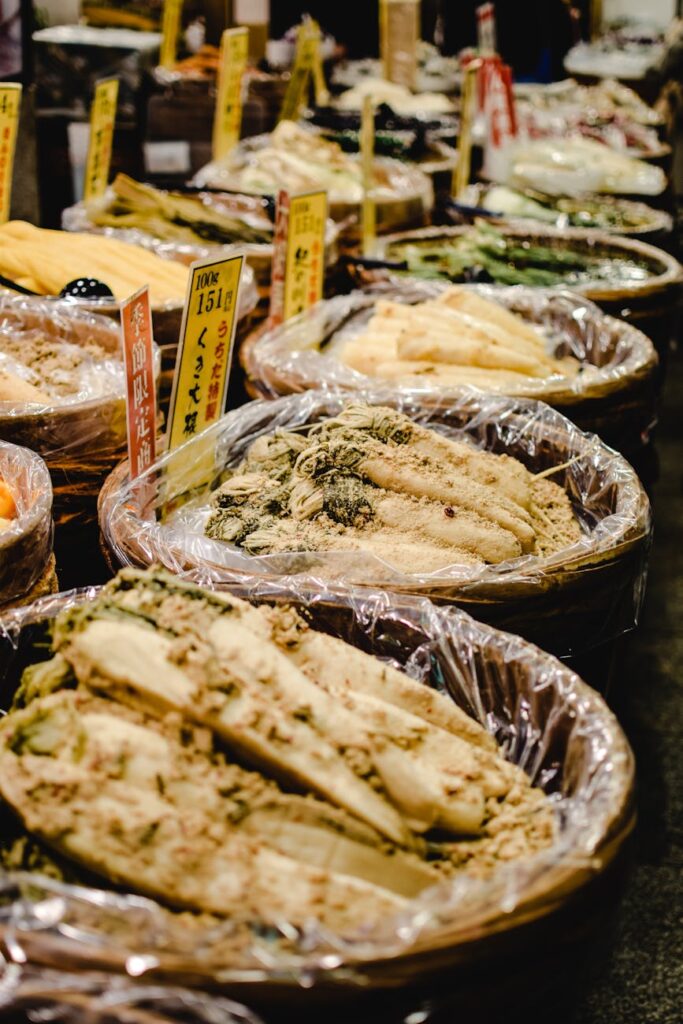
Daikon Growing Guide Part 6
Introduction
Daikon, a type of radish (Raphanus sativus var. longipinnatus), has gained popularity worldwide for its crisp texture and mild flavor. This versatile root vegetable is widely used in various cuisines, particularly in Asian dishes. In this comprehensive guide, we will delve into the intricacies of growing daikon, exploring its history, production, quality assessment, and much more.
What Is Growing?
In the context of agriculture and horticulture, “growing” refers to the cultivation process where seeds or plants are nurtured to maturity. This encompasses various stages, from soil preparation and planting to irrigation, pest management, and harvesting. Understanding the principles of growing is essential for producing high-quality crops, and daikon is no exception.
Growing daikon requires specific environmental conditions and care to ensure healthy plants and optimal yield. As a cool-season crop, it thrives in temperate climates and can be sown in both spring and fall.
History and Origins
Daikon has a rich history that dates back thousands of years. Originating in Southeast Asia, it was one of the earliest cultivated vegetables in human history. Evidence suggests that daikon was domesticated in the Mediterranean region around 2000 BCE.
The name “daikon” comes from the Japanese words “dai,” meaning large, and “kon,” meaning root, which aptly describes its size and shape. Over the centuries, daikon has spread across various cultures, adapting to local growing conditions and culinary practices. In Japan, it is a staple ingredient in traditional dishes, while in China, it is often pickled or used in soups. Today, daikon is cultivated in many parts of the world, including North America and Europe, where it continues to be embraced for its culinary versatility.
Production and Processing
The production of daikon requires careful attention to detail from the moment of planting to the point of sale.
Soil Preparation
Daikon grows best in well-drained, loose, and fertile soil with a pH level between 6.0 and 7.5. Before planting, it’s essential to till the soil to a depth of at least 12 inches to encourage proper root development. Amendments such as compost or well-rotted manure can enhance soil fertility and structure.
Seed Selection and Planting
Daikon seeds can be sown directly into the soil or started indoors for later transplanting. When sowing directly, it’s advisable to plant seeds 1/2 inch deep and spaced approximately 12 inches apart to allow room for the roots to expand. Rows should be spaced about 18 inches apart.
The ideal planting time is in early spring or late summer, depending on local climate conditions. Daikon prefers cooler temperatures, and planting during these times can help prevent premature bolting, where the plant flowers and goes to seed before the roots mature.
Irrigation and Maintenance
Consistent watering is crucial for healthy growth, especially during dry spells. Drip irrigation is often recommended to minimize water stress and reduce the risk of fungal diseases.
Weeding and pest management should not be overlooked. Regularly checking for pests such as aphids and root maggots can help protect the crop’s quality. Organic pest control methods, including beneficial insects and natural repellents, can be effective without compromising the integrity of the produce.
Harvesting
Daikon is typically ready for harvest 50 to 70 days after planting, depending on the variety and growing conditions. The roots should be firm and at least 6 inches long. Harvesting should occur before the first frost to prevent damage to the root.
To harvest, gently loosen the soil around the root with a garden fork and pull the daikon out carefully to avoid breaking it.
Quality and Grading
Quality assessment is vital in the production of daikon. Factors influencing quality include size, shape, texture, and flavor. High-quality daikon should be firm, smooth, and free of blemishes or cracks.
Grading Standards
Daikon is often graded based on size and appearance. Common grading categories include:
- Grade A: Large, uniform roots with no blemishes or cracks.
- Grade B: Slightly smaller roots or minor blemishes that do not affect flavor.
- Grade C: Smaller roots with visible imperfections, often used for processing rather than fresh markets.
- Freshness: Look for roots that are firm and heavy for their size. Avoid any that feel soft or have visible signs of decay.
- Color: Fresh daikon should have a bright white or light green color, indicating ripeness.
- Size: While size can vary based on variety, larger roots may have a more pronounced flavor and texture.
These grades help distributors and consumers understand the quality of the produce, ensuring that only the best daikon reaches the market.
Buying Considerations
When purchasing daikon, whether from a grocery store or a farmer’s market, consider the following factors:
Local varieties may also provide unique flavors and characteristics, making them worth seeking out.
Uses and Applications
Daikon is not merely a culinary ingredient but serves various purposes in different contexts:
Culinary Uses
In cooking, daikon can be used raw in salads, pickled, or cooked in soups and stir-fries. Its mild flavor allows it to absorb other flavors, making it a versatile addition to many dishes.
Non-Culinary Uses
Beyond the kitchen, daikon is often utilized in traditional medicine practices, particularly in Asian cultures, where it is believed to have various health benefits. Additionally, its leaves can be used as animal fodder, and the roots can be fermented for production of kimchi.
Storage and Shelf Life
Proper storage is crucial for maintaining the quality of daikon. When stored in a cool, dark place, daikon can last for several weeks.
###