
Daikon Guides Guide Part 6
Introduction
Daikon, a versatile and nutritious radish, is an essential ingredient in various culinary traditions, particularly in East Asian cuisines. Understanding daikon goes beyond its culinary applications; it encompasses its history, production, quality grading, and even common misconceptions. This guide aims to provide a detailed overview of daikon, facilitating a deeper appreciation for this remarkable root vegetable.
What Is Daikon?
Daikon, scientifically known as Raphanus sativus var. longipinnatus, is a type of white radish that boasts a long, cylindrical shape and a crisp texture. It can grow up to 18 inches in length and can weigh several pounds. The flavor profile of daikon is mild compared to other radishes, with a subtle sweetness and a hint of peppery notes. This makes it a favored ingredient in salads, pickles, and various cooked dishes. Its high water content contributes to its refreshing quality, making it an excellent addition to both raw and cooked preparations.
History and Origins
Daikon traces its origins to East Asia, with historical records suggesting its cultivation in ancient China as early as the 5th century BC. Initially, it spread throughout Asia, reaching Japan around the 8th century, where it became a staple in the local diet. Over centuries, daikon has been selectively bred, resulting in the various varieties we see today, each differing in size, shape, and flavor intensity.
In Japan, daikon has held cultural significance, often symbolizing health and prosperity. It features prominently in traditional festivals and is also a key ingredient in various traditional dishes, such as namasu (pickled daikon) and o-den (a type of hot pot). As globalization has increased, daikon’s popularity has expanded beyond its traditional boundaries, now finding a place in Western cuisines and culinary practices.
Production and Processing
Daikon is cultivated in a variety of climates, but it thrives best in temperate regions. The primary producers of daikon include Japan, China, South Korea, and the United States. The growing season typically spans from early spring to late fall, depending on the specific variety and local climate conditions.
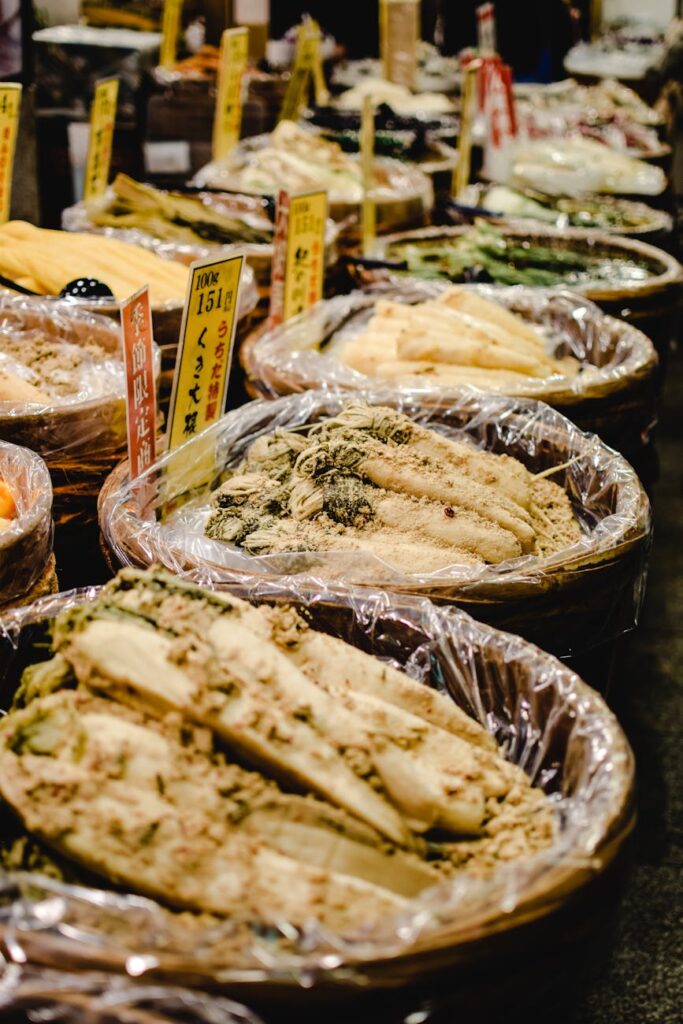
Once harvested, daikon undergoes several processing stages. After being pulled from the ground, the roots are carefully cleaned to remove soil and debris. Depending on the intended use, daikon may be sold fresh, pickled, or dried. In the case of pickling, daikon is often soaked in a brine solution, which enhances its flavor and extends its shelf life. Dried daikon, on the other hand, is often used in soups and stews, providing a concentrated flavor.
Quality and Grading
Quality grading for daikon focuses on several parameters, including size, shape, color, and firmness. High-quality daikon should be firm, with smooth skin and a white, crisp interior. Any blemishes, soft spots, or discoloration can indicate spoilage or inferior quality.
In commercial markets, daikon is often categorized into different grades. The highest grade is typically reserved for uniform, large, and visually appealing specimens, perfect for fresh consumption. Lower grades may be designated for processing or culinary uses where visual appeal is less critical.
When purchasing daikon, it’s essential to inspect the root for firmness and avoid any that appear shriveled or soft. The leaves, if still attached, should be bright green and fresh-looking, indicating that the radish is still at its peak quality.
Buying Considerations
When buying daikon, there are a few factors to consider to ensure the best quality. Firstly, observe the size and shape; a well-formed daikon should be relatively straight and cylindrical. While larger daikon may seem appealing, it’s often the smaller to medium-sized varieties that are more flavorful.
Additionally, consider whether you need organic or conventionally grown daikon. Organic produce may be a priority for those seeking to avoid pesticides and chemical fertilizers. Always check for freshness, particularly if purchasing pre-packaged daikon. If possible, opt for local produce, which is often fresher and supports local agriculture.
Finally, consider the specific culinary application. If you plan to use daikon in salads or garnishes, select a fresher, crisper specimen. If you’re looking for daikon for cooking or pickling, slightly older roots may still serve well.
Uses and Applications
Daikon’s versatility lends itself to a myriad of culinary applications. In raw preparations, it is often sliced thinly for salads or served as a crunchy garnish. Its mild flavor allows it to complement a wide range of dishes, from seafood to meat-based entrees.
In Asian cuisines, daikon is commonly used in soups and stews, where it absorbs flavors while adding a unique texture. It can also be pickled, a process that enhances its natural sweetness and provides a tangy contrast in various dishes. Daikon is a key ingredient in miso soup and is often incorporated into rice dishes and dumplings.
In addition to its culinary uses, daikon is also employed in traditional Japanese New Year’s celebrations, symbolizing prosperity and good fortune. It is often featured in festive dishes, highlighting its cultural significance.
Storage and Shelf Life
Proper storage of daikon is crucial to maintaining its freshness and flavor. Store unwashed daikon in the refrigerator, ideally in a perforated plastic bag to allow for air circulation. When stored correctly, fresh daikon can last for up to two weeks.
If you have cut daikon, wrap it tightly in plastic wrap or place it in an airtight container to prevent it from drying out. It’s advisable to consume cut daikon within a few days to enjoy its optimal flavor and texture.
For longer storage, consider pickling or dehydrating daikon. Pickled daikon can last for months in the refrigerator, while dehydrated daikon can be stored in a cool