
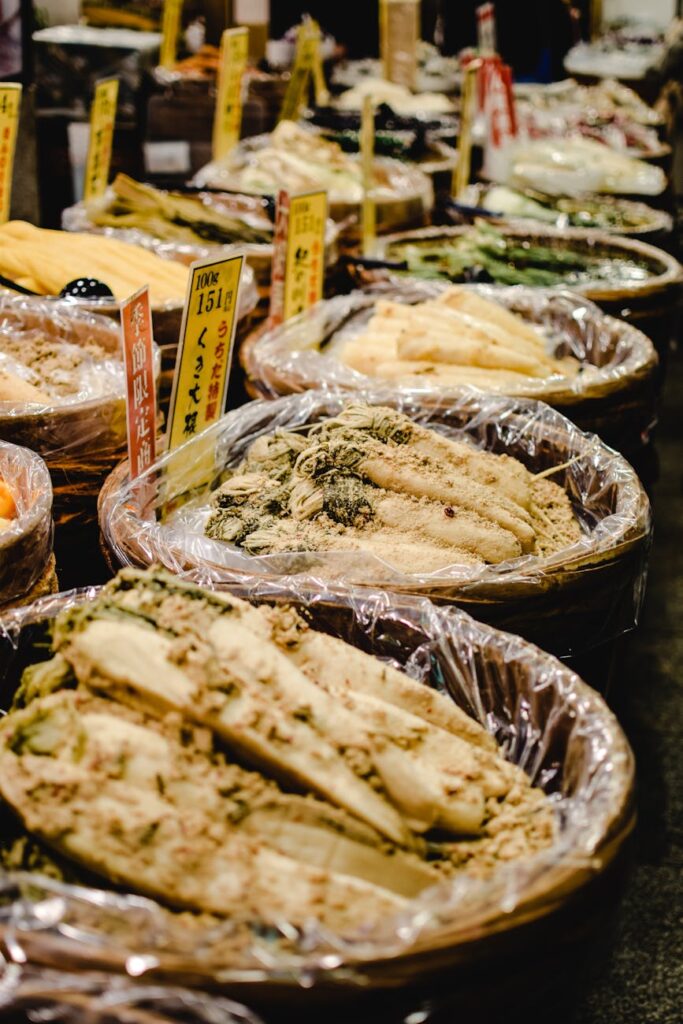
Daikon: Origins and Evolution
Introduction
Daikon, a long, white radish native to East Asia, has carved a niche for itself in culinary practices worldwide. Renowned for its crisp texture and mild flavor, daikon is a versatile ingredient that plays a vital role in dishes ranging from salads to soups. This article will delve into the origins and evolution of daikon, exploring its history, production, and application, while addressing common misconceptions and frequently asked questions about this unique vegetable.
What Is Daikon?
Daikon (Raphanus sativus var. longipinnatus) is a variety of radish that typically weighs between one and four pounds and can grow up to 18 inches in length. Its skin is smooth and white, and it has a crisp, juicy texture that is complemented by a mild, slightly sweet flavor. Unlike the more common red radishes, daikon is characterized by its elongated shape and can be consumed raw, pickled, cooked, or juiced, making it a staple in many cuisines, particularly in Japan, Korea, and China.
History and Origins
The history of daikon is as rich as its flavor. It is believed to have originated in Southeast Asia, where it was cultivated as early as 2000 BCE. Historical texts indicate that daikon was first mentioned in Chinese literature during the Tang Dynasty (618-907 CE), where it was praised for its nutritional benefits and culinary versatility.
From China, daikon made its way to Japan, where it became an integral part of the diet by the 8th century. The Japanese developed various cultivars, each adapted to specific climates and uses. For instance, the “Shogoin” variety is known for its round shape and sweet flavor, while the “Miyashige” variety is prized for its long, cylindrical form.
In Korea, daikon is referred to as “mu” and is an essential component of several traditional dishes, including kimchi. Its ability to thrive in cooler climates made it a popular choice among farmers, leading to its widespread cultivation throughout the country.
Production and Processing
Daikon is cultivated primarily in temperate regions of Asia, with Japan, China, and Korea being the largest producers. The ideal growing conditions for daikon include well-drained soil, ample sunlight, and consistent moisture. Typically, seeds are sown in late spring or early summer, and the radishes are harvested in the fall when they reach optimal size.
Once harvested, daikon undergoes a careful processing routine to maintain its freshness. The roots are typically washed, trimmed, and packaged for distribution. In some cases, daikon is fermented or pickled, which enhances its flavor and extends its shelf life. Common processing methods include making pickles known as “takuan” in Japan or “mu kimchi” in Korea, which involve brining the radish with salt and spices.
Quality and Grading
Quality and grading of daikon are determined by several factors, including size, shape, color, and texture. Premium daikon should be firm, smooth-skinned, and free from blemishes or soft spots. The ideal size for culinary use typically ranges from 12 to 18 inches in length, although smaller varieties are also popular.
Grading systems may vary by region, but many markets utilize a scale that categorizes daikon based on its visual appeal and internal quality. Higher-grade daikon is sought after for its superior flavor and texture, making it a preferred choice for chefs and home cooks alike.
Buying Considerations
When purchasing daikon, consumers should look for firm, heavy roots that feel solid to the touch. The skin should be smooth and free from cracks, blemishes, or signs of sprouting. Ideally, daikon should be stored in the refrigerator, wrapped in a damp paper towel to maintain moisture and prevent it from drying out.
Additionally, consumers should be aware of the different varieties available in the market. While the long white daikon is the most common, there are also smaller, round varieties that offer distinct flavors and textures. Knowing these differences can enhance the culinary experience and allow for a more informed selection based on personal preferences.
Uses and Applications
Daikon is remarkably versatile in the kitchen, making it suitable for a wide range of culinary applications. It can be consumed raw in salads or as a garnish, where its crisp texture provides a refreshing contrast to other ingredients. In Japanese cuisine, grated daikon is often served alongside sashimi, enhancing the dish’s flavor and aesthetic appeal.
When cooked, daikon can be added to soups, stews, and braised dishes, where it absorbs flavors from the broth and enhances the dish’s overall profile. In Korean cuisine, daikon plays a vital role in kimchi preparation, where it is fermented with spices, salt, and other vegetables to create a tangy side dish.
Daikon can also be juiced, providing a refreshing beverage that is often mixed with other fruits or vegetables. Its mild flavor allows it to pair well with a variety of ingredients, making it a popular choice in health-conscious smoothies and juices.
Storage and Shelf Life
Proper storage is key to maintaining the freshness of daikon. When stored correctly, whole daikon can last for several weeks in the refrigerator. It is advisable to keep the radish unpeeled until ready to use, as exposure to air can lead to moisture loss and spoilage. Wrapping daikon in a damp paper towel and placing it in a perforated plastic bag can help maintain optimal humidity levels.
Once cut, daikon should be wrapped tightly and consumed within a few days for the best flavor and texture. If the radish begins to show signs of wilting or softness, it is best to discard it as its quality will deteriorate rapidly.
Common Misconceptions
Despite its popularity, there are several misconceptions about daikon that merit clarification. One common myth is