
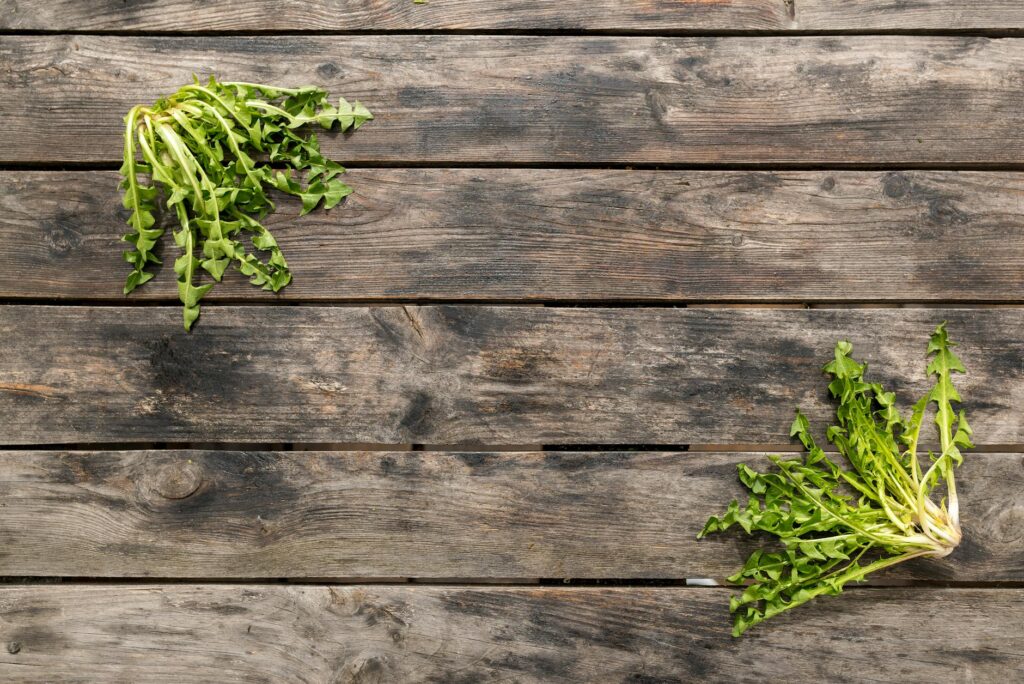
Dandelion Greens Cultivation Explained
Introduction
Dandelion greens, known scientifically as Taraxacum officinale, are more than just a common backyard weed; they are a nutritious green leafy vegetable that has been cultivated for centuries. Their distinctively bitter flavor and slightly peppery notes make them a popular choice in various culinary applications. Understanding the cultivation of dandelion greens is essential for both home gardeners and commercial producers seeking to tap into their culinary and nutritional benefits.
This article delves into the intricacies of growing dandelion greens, covering their history, production processes, quality grading, and more.
What Is Growing?
Growing refers to the agricultural practices of cultivating plants to produce food, fiber, or other useful products. In the context of dandelion greens, it encompasses the selection of seeds, soil preparation, planting techniques, pest and disease management, and harvesting methods. The cultivation of dandelion greens can be undertaken in various environments, including home gardens, community gardens, and commercial farms.
The process begins with understanding the specific growth requirements of dandelion greens, which thrive in temperate climates and can adapt to various soil types. This adaptability makes them an appealing option for growers around the world.
History and Origins
Dandelion greens have a rich history that dates back to ancient times. Originally native to Eurasia, they were used by early civilizations for their medicinal properties and nutritional value. Historical texts suggest that the Greeks and Romans consumed dandelion greens, while traditional Chinese medicine has long recognized their potential benefits.
By the Middle Ages, dandelions had spread throughout Europe, where they were cultivated not only for culinary purposes but also for their roots, which were used as a coffee substitute. The plant’s resilience and ability to thrive in a variety of conditions contributed to its widespread adoption in gardens and agricultural settings.
In the United States, dandelion greens gained popularity among settlers, who appreciated their nutritional value and ease of cultivation. Today, they are embraced by organic farmers and home gardeners alike, celebrated for their unique flavor and health benefits.
Production and Processing
Soil Preparation
The first step in dandelion greens cultivation is soil preparation. Dandelions prefer well-drained soil with a pH range of 6.0 to 7.0. Incorporating organic matter, such as compost, helps improve soil fertility and enhances drainage. Prior to planting, it’s advisable to conduct a soil test to determine nutrient levels and make any necessary amendments.
Planting
Dandelion greens can be grown from seeds or transplants. If sowing seeds directly into the garden, it’s best to do so in early spring or late summer, as these greens thrive in cooler temperatures. Plant seeds about ¼ inch deep and spaced 4 to 6 inches apart. For transplants, start seeds indoors 4 to 6 weeks before the last frost date, then transplant outdoors when the seedlings are sturdy.
Watering and Fertilization
Dandelion greens require consistent moisture, especially during germination and early growth stages. Regular watering is essential, but care should be taken to avoid waterlogging, which can lead to root rot. A balanced organic fertilizer can be applied during the growing season to promote healthy leaf development.
Pest and Disease Management
While dandelion greens are relatively hardy, they can be susceptible to pests such as aphids and slugs. Regular monitoring and the use of organic pest control methods, such as neem oil or insecticidal soap, can help manage infestations. Crop rotation and companion planting with other crops can also reduce disease risk and improve overall plant health.
Harvesting
Dandelion greens can be harvested as soon as they reach a desirable size, typically around 6 to 8 inches tall. It is advisable to harvest the outer leaves first, allowing the inner leaves to continue growing. Harvesting should take place in the morning when moisture levels are higher, ensuring the leaves remain crisp and fresh.
Quality and Grading
The quality of dandelion greens is determined by several factors, including leaf size, color, and overall freshness. High-quality dandelion greens should be vibrant green, tender, and free from blemishes or signs of wilting. When grading, producers often classify the greens based on these characteristics, with premium grades commanding higher market prices.
In commercial settings, dandelion greens are often sold in bunches or packaged for convenience. Buyers should look for greens that are crisp and have a fresh aroma, indicating that they were recently harvested.
Buying Considerations
When purchasing dandelion greens, consumers should consider the source and growing practices. Organic dandelion greens are preferred by many due to the absence of synthetic pesticides and fertilizers. Local farmers’ markets often provide the freshest options, allowing consumers to support local agriculture.
Additionally, consumers should be aware of the seasonality of dandelion greens. While they can be found year-round, peak growing seasons are in spring and fall. Understanding these seasonal patterns can help in selecting the freshest greens available.
Uses and Applications
Dandelion greens are versatile in the kitchen and can be used in a variety of culinary applications. They are often incorporated into salads, where their bitterness can be balanced with sweet dressings or paired with fruits. Sautéing dandelion greens with garlic and olive oil is another popular method that enhances their flavor while maintaining their nutritional value.
In addition to being a standalone ingredient, dandelion greens can be used in soups, stews, and stir-fries. Their robust flavor holds up well in hearty dishes, making them a valuable addition to various cuisines.
Storage and Shelf Life
Proper storage is crucial for maintaining the freshness of dandelion greens. They should be stored in a refrigerator, ideally wrapped in a damp paper towel and placed inside a perforated plastic bag to maintain humidity without causing excess moisture. Under optimal storage conditions, dandel