
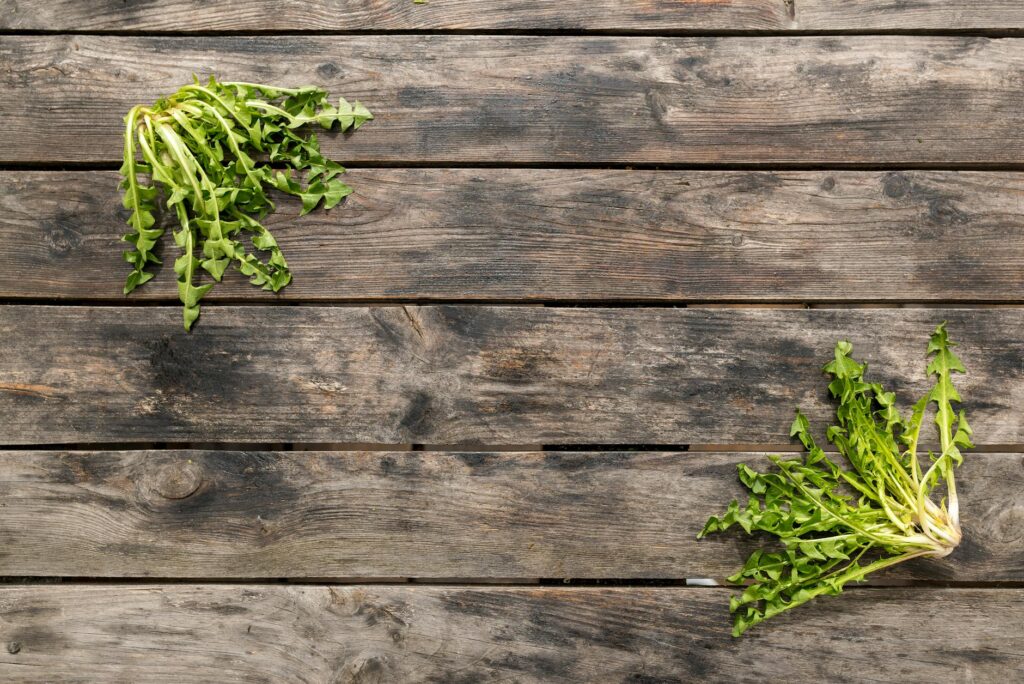
Dandelion Greens Myths and Misconceptions
Introduction
Dandelion greens, often dismissed as mere weeds, have been recognized for centuries for their culinary and nutritional value. Despite their growing popularity in contemporary cuisine and health circles, a myriad of myths and misconceptions surrounds this vibrant leafy green. This article aims to demystify dandelion greens by providing an authoritative exploration of their history, production, uses, and common misunderstandings.
What Is Guides?
In the context of culinary education, “Guides” refer to comprehensive resources that provide in-depth information about specific ingredients, their uses, and best practices. These guides aim to enlighten consumers, chefs, and food enthusiasts, fostering a better understanding of the ingredients they choose to incorporate into their dishes. In this guide, we delve into the fascinating world of dandelion greens, exploring their attributes and addressing prevalent myths.
History and Origins
Dandelion, scientifically known as Taraxacum officinale, has a storied history that dates back thousands of years. Native to Eurasia, it has spread globally and is often found in temperate regions. Historical texts reveal that dandelion greens were used in ancient Chinese medicine as early as the 7th century and were a staple in medieval European diets.
The plant’s name is derived from the French “dent de lion,” meaning “lion’s tooth,” a reference to its serrated leaves. This hardy green was cultivated not only for its culinary applications but also for its medicinal properties. In many cultures, dandelion greens symbolize resilience and adaptability, thriving in various environments and often regarded as a sign of spring.
Production and Processing
Dandelion greens are typically harvested in the spring when they are young and tender, although they can be found throughout the growing season. The greens are often collected from wild sources or cultivated in gardens. When cultivated, they prefer well-drained soil and ample sunlight, contributing to their robust flavor.
After harvesting, dandelion greens undergo minimal processing. They are washed to remove any dirt and impurities, and then they may be packaged fresh, frozen, or dried for preservation. The minimal processing allows the greens to retain their nutritional benefits and vibrant flavor, making them a versatile ingredient in various culinary applications.
Quality and Grading
When selecting dandelion greens, quality is paramount. Fresh dandelion greens should have a bright green color, crisp texture, and a slightly bitter flavor profile, which is characteristic of the plant. The leaves should be free from wilting, browning, or signs of decay.
Grading is not standardized in the way it is for fruits and vegetables, but consumers can assess quality by examining the freshness and appearance of the greens. Higher quality dandelion greens are often found in farmers’ markets or specialty grocery stores, where they are less likely to have been treated with pesticides and other chemicals.
Buying Considerations
When purchasing dandelion greens, consider the following factors:
1. Source: Opt for organic or locally sourced greens whenever possible. This ensures fewer chemicals and supports sustainable agriculture.
2. Seasonality: Dandelion greens are best when in season, typically from early spring to early summer. During this time, they are more tender and flavorful.
3. Appearance: Select greens that are vibrant in color, with no signs of yellowing or wilting. Freshness is key to enjoying their flavor and nutritional benefits.
4. Storage: If not used immediately, proper storage is essential to maintain quality. Store dandelion greens in a damp paper towel within a sealed plastic bag in the refrigerator.
Uses and Applications
Dandelion greens are highly versatile and can be used in various culinary applications. Their slightly bitter taste pairs well with rich, fatty ingredients, making them an excellent addition to salads, sautés, and soups. They can be enjoyed raw, lightly steamed, or cooked in dishes such as pasta or risottos.
In addition to their culinary uses, dandelion greens are often featured in herbal teas and tinctures, thanks to their traditional association with various health benefits. However, it’s essential to focus on their flavor and versatility in cooking rather than their medicinal properties.
Storage and Shelf Life
Proper storage of dandelion greens is crucial to maintaining their freshness:
1. Refrigeration: Store dandelion greens in the refrigerator, wrapped in a damp paper towel and placed in a sealed plastic bag. This method helps retain moisture without causing excess condensation, which can lead to spoilage.
2. Shelf Life: Fresh dandelion greens can last up to 5-7 days in the refrigerator. However, they are best consumed within the first few days for optimal flavor and texture.
3. Freezing: For longer storage, dandelion greens can be blanched and then frozen. This process helps preserve their color and nutrients while extending their shelf life to several months.
Common Misconceptions
Despite their culinary prominence, dandelion greens are often misunderstood. Here are some prevalent misconceptions:
1. Dandelion Greens Are Just Weeds: While dandelions are commonly found in gardens and lawns, they are far more than weeds. Their nutritional profile, which includes vitamins A, C, and K, as well as iron and calcium, makes them a valuable addition to any diet.
2. All Dandelions Are Edible: It’s essential to differentiate between species. While Taraxacum officinale is the most commonly consumed variety, some other species may not be suitable for consumption. Always ensure you are sourcing the correct type.
3. They Are Too Bitter to Eat: While dandelion greens do have a distinct bitter flavor, this characteristic can be balanced with other ingredients in a dish. Cooking can also mellow their bitterness, making them more palatable.
4. D