
Does Black Pepper Expire?
Introduction
Black pepper, often heralded as the “king of spices,” is a staple in culinary traditions around the globe. Its unique flavor profile and pungent aroma make it an essential ingredient in various cuisines. However, a common question arises: does black pepper expire? Understanding the longevity of this versatile spice requires an exploration of its uses, history, production, and storage. In this article, we delve into the intricacies of black pepper, offering insights on its expiration and how to maximize its shelf life.
What Is Uses?
The term “uses” in the context of black pepper refers to the various applications this spice has in cooking, flavoring, and even in non-culinary realms. Beyond its primary role as a seasoning, black pepper is utilized in marinades, sauces, dressings, and a vast array of dishes, enhancing flavors and adding depth. In some cultures, black pepper is also valued for its preservation qualities and its role in traditional culinary practices, showcasing its versatility as an ingredient.
History and Origins
Black pepper (Piper nigrum) has a rich history that dates back thousands of years. Native to the tropical regions of India, particularly Kerala, it has been utilized since antiquity. Ancient texts from India, Egypt, and Greece mention black pepper as a valuable commodity, often used as currency and a symbol of wealth. It played a significant role in trade routes, notably the Spice Route, contributing to its global spread.
Peppercorns were prized not only for their flavor but also for their purported medicinal properties. By the Middle Ages, black pepper became a staple in European kitchens, where it was often used to mask the flavors of preserved foods. Its value remained high throughout history, influencing exploration and colonization efforts as Europeans sought to control the spice trade.
Production and Processing
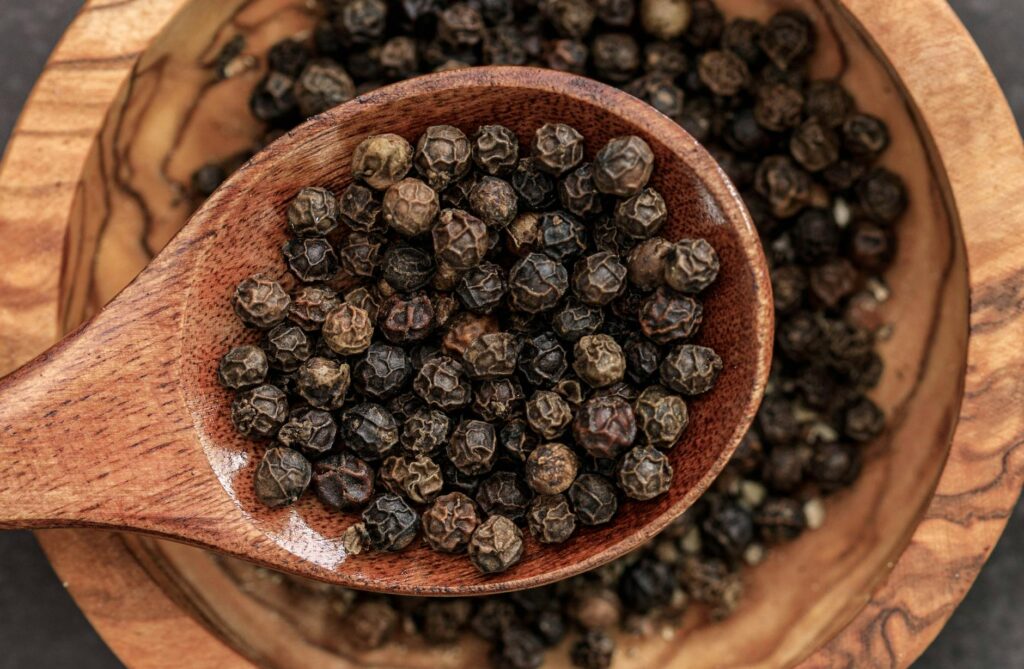
The production of black pepper involves several critical steps, from cultivation to processing. Black pepper is derived from the berries of the Piper nigrum plant, which is typically grown in tropical climates. The berries are harvested when they are green and unripe. They are then boiled briefly to halt fermentation and subsequently dried in the sun or through mechanical means, turning them dark and shriveled. This drying process is crucial, as it enhances the flavor and aroma of the pepper.
The quality of black pepper largely depends on the region of cultivation, the method of harvesting, and the processing techniques employed. Different varieties exist, including Tellicherry and Malabar, each with its distinct flavor profile and characteristics.
Quality and Grading
Quality and grading are vital considerations in the world of black pepper. The spice is typically classified based on several factors, including size, moisture content, and appearance. High-quality black peppercorns are fully matured, possess a rich flavor, and have minimal defects.
Grading systems may vary by region, but common classifications include:
- Grade 1: Premium quality, large, whole peppercorns with a robust flavor.
- Grade 2: Good quality, slightly smaller or less flavorful than Grade 1.
- Grade 3: Inferior quality, often containing broken or defective peppercorns.
- Culinary Uses: As a seasoning, black pepper enhances savory dishes, including meats, vegetables, and soups. It is often paired with salt to elevate flavors.
- Flavoring Agent: Black pepper is frequently used in marinades, dressings, and sauces, imparting a distinct and aromatic quality.
- Preservation: Historically, black pepper has been utilized in food preservation, its antimicrobial properties helping to inhibit spoilage.
- Beverages: In some cultures, black pepper is used in beverages, such as spiced teas and cocktails, adding warmth and complexity.
- Non-Culinary Uses: Beyond the kitchen, black pepper is sometimes employed in fragrances and cosmetics for its aromatic qualities.
- Whole Black Peppercorns: 3 to 4 years for optimal flavor, but can last longer if stored properly.
- Ground Black Pepper: 1 to 2 years, after which it may lose potency.
Understanding these grading systems can help consumers make informed choices when purchasing black pepper, ensuring they select the best quality for their culinary needs.
Buying Considerations
When purchasing black pepper, several factors should be taken into account to ensure optimal freshness and flavor.
1. Form: Black pepper is available in whole peppercorns, ground form, and as part of spice blends. Whole peppercorns tend to retain their flavor longer than pre-ground varieties, making them a preferable choice for those who prioritize freshness.
2. Packaging: Look for packaging that protects against light and moisture. Airtight containers or vacuum-sealed bags are ideal for maintaining the spice’s integrity.
3. Source: Consider the origin of the black pepper. Different regions produce unique flavor profiles, and knowing where your pepper comes from can enhance your culinary experience.
4. Expiration Date: While spices do not have a strict expiration date, they do lose potency over time. Check for a “best by” date to gauge freshness.
5. Aroma: The aroma is a good indicator of freshness. High-quality black pepper should have a strong, pungent scent.
Uses and Applications
Black pepper is renowned for its multifaceted uses in the kitchen and beyond. Its applications include:
Storage and Shelf Life
Proper storage is essential for maximizing the shelf life of black pepper. When stored correctly, whole peppercorns can last for several years, while ground black pepper typically has a shorter shelf life due to its increased surface area.
Storage Tips:
1. Keep it Cool and Dry: Store black pepper in a cool, dry place away from direct sunlight. Excess heat and humidity can degrade its quality.
2. Airtight Containers: Use airtight containers to prevent exposure to moisture and air, both of which can lead to flavor loss.
3. Avoid Frequent Opening: Minimize the frequency of opening the container to maintain the spice’s freshness.
Shelf Life:
While black pepper does not “expire” in the traditional sense, its flavor and aroma will diminish over time, making proper storage crucial for maintaining its culinary qualities.
Common Misconceptions
Several misconceptions surround black pepper, particularly regarding its expiration and storage:
1. “Black Pepper Never Goes Bad”: While it may not spoil like perishable foods, black pepper can lose its flavor and aroma over time, which can affect culinary applications.
2. “Ground Pepper is Just as Good as Whole Pepper”: Whole peppercorns retain their flavor better than pre-ground varieties, which can lose potency quickly due to exposure to air.
3. “All Black Pepper is the Same”: The quality and flavor of black pepper can vary significantly based on its origin and processing methods. Not all black pepper is created equal.
Frequently Asked Questions
1. How can I tell if my black pepper has gone bad?
While black pepper does not spoil, it can lose its flavor and aroma. If your pepper has a dull scent or taste, it may be time to replace it.
2. Can I store black pepper in the refrigerator?
Storing black pepper in the refrigerator is not recommended, as moisture can compromise its quality. A cool, dry pantry is ideal.
3. How long does black pepper last?
Whole black peppercorns can last 3 to 4 years, while ground black pepper typically lasts 1 to 2 years when stored properly.
4. Is there a difference between black, white, and green pepper?
Yes, black pepper is harvested when the berries are unripe and dried; white pepper is made from ripe berries with the outer layer removed, and green pepper is harvested unripe and preserved in brine or vinegar.
5. Can I grind black pepper ahead of time?
While you can grind black pepper in advance, it’s best to grind it just before use to ensure maximum freshness and flavor.
6. What are some signs that black pepper is of poor quality?
Signs of poor quality black pepper include a lack of aroma, presence of broken or discolored peppercorns, and a dull or stale taste.
In conclusion, understanding the longevity and proper storage of black pepper is essential for any culinary enthusiast. By recognizing its uses, history, and the importance of quality, consumers can make informed choices that enhance their cooking experiences. Whether used in classic recipes or innovative dishes, black pepper remains a timeless ingredient in the culinary world.