
Does Bulgur Expire?
Introduction
Bulgur is a versatile whole grain that has been a staple in various cuisines, particularly in the Middle East and Mediterranean regions. Known for its quick cooking time and nutty flavor, bulgur is often used as a base for salads, side dishes, and even main courses. However, like all food ingredients, bulgur has a shelf life, and understanding this is critical for both culinary professionals and home cooks alike. This article explores the nuances of bulgur, including its uses, history, production, storage, and common misconceptions regarding its shelf life.
What Is Bulgur?
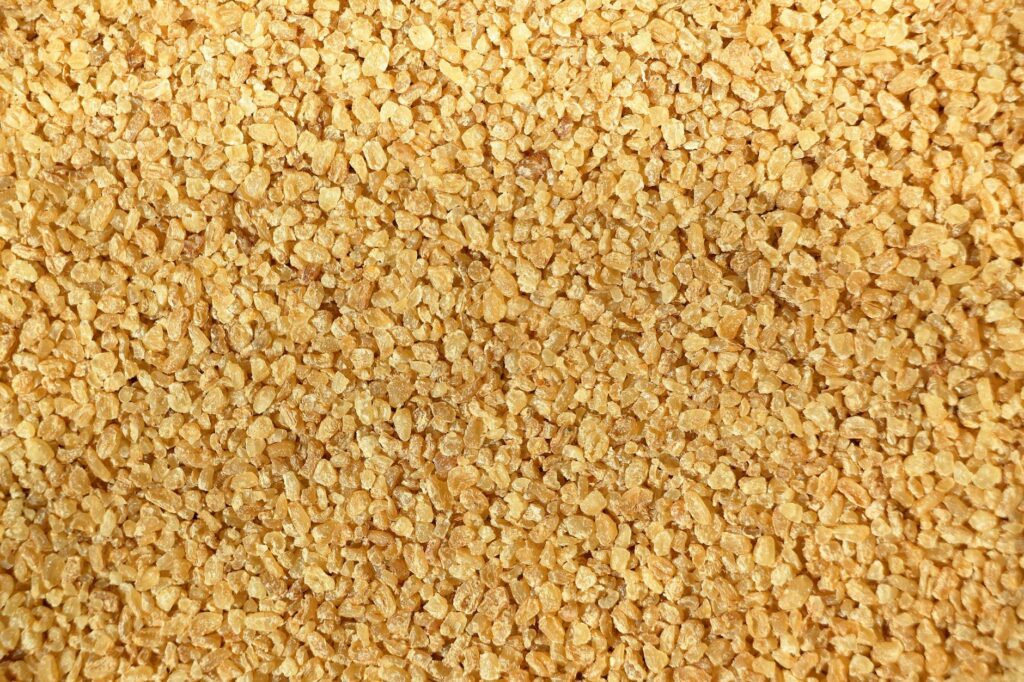
Bulgur is a form of cracked wheat made from durum wheat, a hard variety of wheat that is typically used to make pasta. The wheat is partially boiled, dried, and then cracked into various sizes, resulting in a product that is not only nutritious but also quick to prepare. Depending on the coarseness of the grain, bulgur can be classified into fine, medium, and coarse varieties. This classification affects its culinary applications, as finer bulgur is often used in dishes like tabbouleh, while coarser bulgur is more suited for pilafs and soups.
History and Origins
The history of bulgur dates back thousands of years, making it one of the oldest processed grains known to humanity. Archaeological evidence suggests that bulgur was consumed as far back as 4000 BC in the region that is now Turkey. It has been a staple food for many ancient civilizations, including the Sumerians and Babylonians. The preparation of bulgur involves traditional methods that have been passed down through generations, often reflecting the agricultural practices and culinary traditions of the regions where it is consumed. Today, bulgur remains integral to various cultural dishes, symbolizing a link between history and modern gastronomy.
Production and Processing
The production of bulgur involves several key steps. Initially, whole durum wheat grains are cleaned to remove impurities. Next, the grains undergo a parboiling process, which involves soaking and cooking them slightly before drying. This step not only enhances the flavor but also reduces cooking time by gelatinizing the starches. After drying, the grains are cracked into different sizes, resulting in fine, medium, or coarse bulgur. The final product is then packaged and distributed for culinary use.
The processing methods can also influence the nutritional profile of bulgur. Since it retains much of its bran and germ, bulgur is rich in fiber, vitamins, and minerals, making it a healthy choice for a variety of dishes.
Quality and Grading
The quality of bulgur can vary significantly based on its origin, processing methods, and packaging. When assessing bulgur, look for factors such as color, texture, and aroma. High-quality bulgur should have a consistent color, ranging from light brown to golden, and should be free from any off-odors or visible mold.
Although there is no official grading system for bulgur, the classification into fine, medium, and coarse can be viewed as a form of quality assessment based on its intended use. Fine bulgur is often preferred for salads and cold dishes, while coarser varieties are better suited for hot preparations.
Buying Considerations
When purchasing bulgur, consider the following factors:
1. Type: Determine which coarseness is suitable for your culinary needs—fine, medium, or coarse.
2. Packaging: Opt for bulgur that is packaged in airtight containers to ensure freshness. Check for vacuum-sealed options, which can extend shelf life.
3. Source: Buy from reputable brands or local producers to ensure quality. Organic or whole grain options may also provide additional health benefits.
4. Expiration Date: Always check the expiration or “best by” date on the packaging to gauge freshness.
5. Allergies: Be mindful of any potential wheat allergies or gluten sensitivities, as bulgur is made from wheat.
Uses and Applications
Bulgur is an incredibly versatile ingredient that lends itself to a wide range of culinary applications. Its nutty flavor and chewy texture complement various dishes, making it an excellent substitute for rice, quinoa, or couscous. Here are some common uses:
Salads
Fine bulgur is the star ingredient in tabbouleh, a refreshing salad made with parsley, tomatoes, and lemon juice. It can also be used in grain salads, providing a hearty base that absorbs flavors beautifully.
Soups and Stews
Coarse bulgur can be added to soups and stews, where it acts as a thickener while adding volume and nutrition. It cooks quickly, making it a convenient addition to dishes that require minimal prep time.
Side Dishes
Bulgur can be served as a side dish, often seasoned with herbs and spices to enhance its flavor. It pairs well with grilled meats and roasted vegetables, making it a popular choice for Mediterranean cuisine.
Stuffing
Bulgur can be used as a filling for stuffed vegetables, such as peppers or zucchini. It absorbs the flavors of the spices and other ingredients, resulting in a delicious and hearty dish.
Breakfast
In some cultures, bulgur is prepared as a breakfast cereal, often sweetened with honey or fruits. Its high fiber content makes it a filling option to start the day.
Storage and Shelf Life
Bulgur has a relatively long shelf life, making it a practical ingredient for both home cooks and culinary professionals. When stored properly, uncooked bulgur can last for years. Here are some guidelines for storage:
Uncooked Bulgur
- Cool, Dry Place: Store in an airtight container in a cool, dry environment, away from direct sunlight.
- Refrigeration: While not necessary, refrigerating or freezing bulgur can extend its shelf life even further, particularly in humid climates.
- Check