
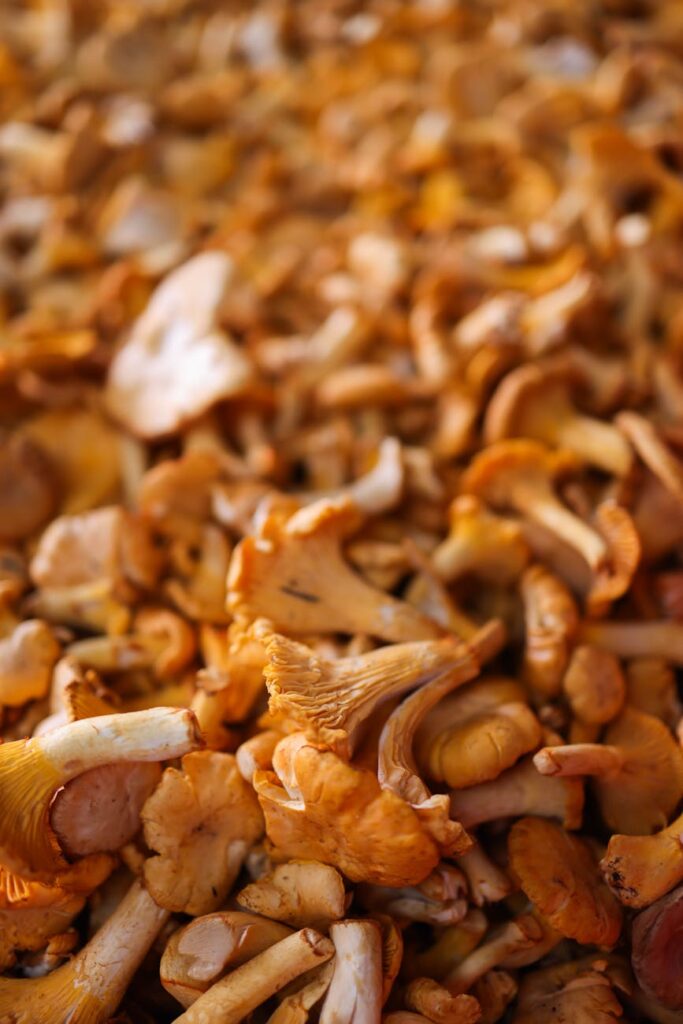
Does Chanterelle Mushrooms Expire?
Introduction
Chanterelle mushrooms, renowned for their vibrant golden hue and delicate flavor profile, hold a revered place in culinary traditions across the globe. These wild mushrooms are not only celebrated for their taste but are also sought after for their versatility in various dishes. However, like all perishable food items, chanterelles have a limited shelf life. Understanding their expiration, proper storage, and potential uses is essential for maximizing their culinary potential and ensuring food safety.
What Is Uses?
In the context of food ingredients, ‘uses’ refers to the various ways in which a particular ingredient can be utilized in culinary practices. This encompasses not only cooking methods but also applications in preservation, flavor enhancement, and presentation. For chanterelle mushrooms, their uses span a range of culinary techniques, making them a valuable addition to diverse cuisines.
History and Origins
Chanterelle mushrooms belong to the genus Cantharellus, with the most commonly known species being Cantharellus cibarius. These mushrooms are native to temperate and tropical forests worldwide, thriving in symbiotic relationships with tree roots. Historical references to chanterelles date back to ancient times, where they were foraged and celebrated for their distinct flavor. Throughout the centuries, they have found their way into traditional dishes in various cultures, particularly in Europe and North America.
The popularity of chanterelles surged in the 20th century, largely due to the rise of gourmet cooking and the increasing interest in foraged ingredients. Their unique flavor profile, described as fruity and peppery, along with their appealing texture, has made them a favorite among chefs and home cooks alike.
Production and Processing
Chanterelle mushrooms are primarily foraged from the wild, as they are notoriously difficult to cultivate. They flourish in specific environmental conditions, often found in coniferous and deciduous forests. The foraging season varies by region, typically peaking in late summer to early fall, when they are most abundant.
Once harvested, chanterelles are usually cleaned gently to remove any dirt or debris, as excessive washing can compromise their delicate structure. They are often sold fresh, but can also be found dried, frozen, or canned. Dried chanterelles, in particular, are appreciated for their concentrated flavor and extended shelf life, making them a popular choice for culinary applications year-round.
Quality and Grading
The quality of chanterelle mushrooms is determined by several factors, including size, color, texture, and overall freshness. High-quality chanterelles are characterized by their firm and moist caps, bright golden color, and absence of blemishes or signs of decay.
Grading systems may vary by region, but generally, chanterelles are categorized into grades such as:
- Grade A: Fresh, vibrant, and free from blemishes. These mushrooms are typically sold in gourmet markets.
- Grade B: Slightly less appealing, these may have minor imperfections but are still suitable for cooking.
- Grade C: Often used for processing or in dishes where appearance is less critical, these mushrooms may show signs of aging.
- Sautéing: Often sautéed in butter or olive oil, chanterelles can be served as a side dish or incorporated into pasta, risottos, or grain bowls.
- Soups and Sauces: Their rich flavor enhances broths, creams, and sauces, adding depth and complexity to dishes.
- Garnishing: Due to their striking appearance, chanterelles can serve as an appealing garnish for plated dishes, elevating the overall presentation.
- Pickling and Preserving: Dried or pickled chanterelles can be used to add umami to various dishes, extending their culinary utility beyond the harvest season.
- Infusions: Their flavor can be infused into oils, vinegars, and stocks, creating bases that enhance other ingredients.
- Fresh Chanterelles: When stored properly in a paper bag in the refrigerator, fresh chanterelles can last for up to a week. Avoid sealing them in plastic, as this can trap moisture and lead to spoilage.
- Dried Chanterelles: Once dried, chanterelles have a considerably longer shelf life, often lasting for several months to a year when kept in a cool, dark place in an airtight container
Understanding these grading distinctions can help consumers make informed purchasing decisions.
Buying Considerations
When purchasing chanterelle mushrooms, there are several key factors to consider:
1. Freshness: Look for firm, undamaged mushrooms with a vibrant color. Avoid those that appear slimy or have dark spots.
2. Source: Whenever possible, buy from reputable suppliers or local foragers who prioritize sustainable practices. This not only ensures quality but also supports local ecosystems.
3. Seasonality: Be mindful of the season. Fresh chanterelles are typically available in late summer and early fall, while dried varieties are available year-round.
4. Storage Method: If buying fresh, consider how you will store them. Fresh chanterelles should be used within a few days or can be preserved through drying or freezing.
5. Price: Due to their foraged nature and limited growing season, fresh chanterelles can be more expensive than cultivated mushrooms. However, their unique flavor often justifies the cost.
Uses and Applications
Chanterelle mushrooms are lauded for their versatility in the kitchen, finding applications in a myriad of dishes. Their unique flavor profile complements a variety of ingredients, making them a popular choice for:
The culinary uses of chanterelles are limited only by creativity, making them a valuable asset in both professional kitchens and home cooking.
Storage and Shelf Life
The shelf life of chanterelle mushrooms varies significantly based on their form—fresh, dried, or preserved.