
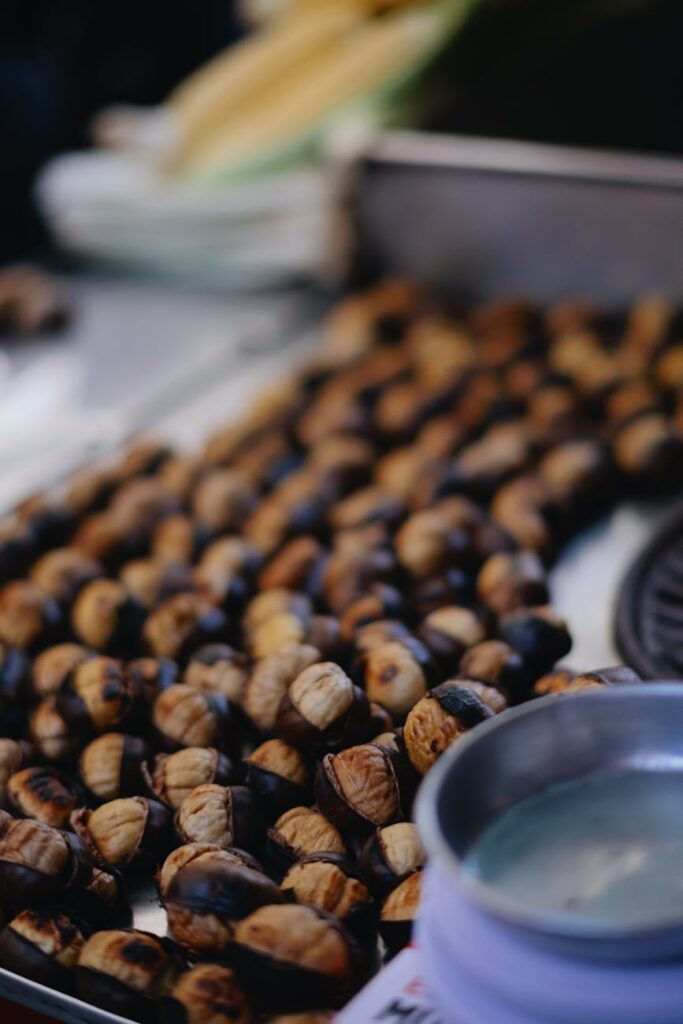
Does Chestnut Puree Expire?
Introduction
Chestnut puree, a velvety, sweet paste derived from roasted chestnuts, has gained popularity in various culinary applications. As a versatile ingredient, it finds its way into both savory and sweet dishes, enriching flavors and textures alike. However, understanding the shelf life and storage of chestnut puree is crucial for both consumers and culinary professionals. This article delves into the various aspects of chestnut puree, including its uses, history, production, and how to properly store it to maximize its freshness and flavor.
What Is Chestnut Puree?
Chestnut puree is made from cooked and pureed chestnuts, which are a type of nut belonging to the beech family. Unlike other nuts, chestnuts are low in fat and rich in carbohydrates, making them a unique ingredient in both sweet and savory dishes. The puree is characterized by its creamy texture and subtly sweet, earthy flavor. Often found in jars or cans, chestnut puree can be used as a filling for pastries, as a base for soups, or even as a sweet topping for desserts.
History and Origins
The chestnut has a long and rich history, dating back to ancient civilizations in the Mediterranean region. The Greeks and Romans cultivated chestnuts for their nutritional value, and they became a staple food in various cultures. The introduction of chestnuts to North America occurred in the early 17th century, where they flourished until the chestnut blight in the early 20th century devastated native populations.
Chestnut puree began to emerge in culinary traditions primarily in France and Italy, where it was utilized in desserts such as Mont Blanc, a classic French pastry. Over time, it gained popularity across Europe and eventually found its way into kitchens worldwide.
Production and Processing
The production of chestnut puree involves several key steps. First, fresh chestnuts are harvested and carefully roasted to enhance their flavor and facilitate peeling. The roasted nuts are then ground into a fine paste, often with the addition of water or sugar to achieve the desired consistency and flavor profile. Commercial producers may also add stabilizers or preservatives to extend shelf life.
The quality of chestnut puree can vary significantly based on the sourcing of the chestnuts, the roasting process, and the techniques used in production. High-quality purees often contain a minimal number of ingredients, focusing on the natural flavor of the chestnuts themselves.
Quality and Grading
Chestnut puree is typically graded based on several factors, including texture, flavor, color, and ingredient composition. Premium-grade chestnut puree should have a smooth consistency, a rich brown color, and a naturally sweet flavor profile without the overwhelming taste of added sugars or preservatives.
When purchasing chestnut puree, it’s essential to look for products that list chestnuts as the primary ingredient, with few or no additives. Quality can also be assessed through certifications or by researching reputable brands known for their commitment to using high-quality ingredients.
Buying Considerations
When buying chestnut puree, consider the following factors:
1. Packaging: Look for products in airtight containers to prevent oxidation. Glass jars are often preferable as they can be resealed tightly.
2. Ingredient List: Choose purees with minimal additives. Ideally, the ingredient list should include chestnuts and perhaps a small amount of sugar or salt.
3. Brand Reputation: Opt for brands that are known for quality products. Reading reviews can provide insights into the flavor and texture of the puree.
4. Storage Recommendations: Check for specific storage instructions on the label, as they can vary by brand.
5. Expiration Date: Always pay attention to the expiration date to ensure the freshest product.
Uses and Applications
Chestnut puree is a culinary chameleon, finding applications in a variety of dishes:
1. Desserts
One of the most popular uses of chestnut puree is in desserts. Its natural sweetness makes it an excellent base for mousses, cakes, and pastries. The creamy texture can enhance frostings or serve as a filling for tarts and éclairs.
2. Savory Dishes
Beyond sweets, chestnut puree is also used in savory applications. Chefs incorporate it into soups, sauces, and risottos, where its earthy flavor complements root vegetables and proteins such as poultry and game.
3. Spreads and Dips
Chestnut puree can be blended with other ingredients to create unique spreads and dips. Pairing it with cheese or herbs can result in a delightful addition to charcuterie boards or as a topping for bruschetta.
4. Baby Food
Due to its smooth texture and nutritional value, chestnut puree is often used in baby food formulations. It provides a wholesome option for introducing solid foods to infants.
5. Gluten-Free and Vegan Cooking
As a naturally gluten-free and vegan ingredient, chestnut puree is often used in alternative diets. It can act as a thickening agent in soups or as a binding agent in vegan baking.
Storage and Shelf Life
Proper storage of chestnut puree is key to maintaining its quality and extending its shelf life.
Unopened Chestnut Puree
When stored in a cool, dry place, unopened chestnut puree can last for several months, often up to a year or more, depending on the expiration date specified by the manufacturer. It’s important to keep it away from direct sunlight and heat sources.
Opened Chestnut Puree
Once opened, chestnut puree should be refrigerated and consumed within a week to ten days for optimal freshness. To preserve its quality, transfer the puree to an airtight container if it is not already in one.
Freezing
Chestnut puree can also be frozen to extend its shelf life. Portion the puree into suitable containers or ice-cube trays, allowing it to freeze solid before transferring it to a freezer bag