
Does Chia Seeds Expire?
Introduction
Chia seeds, derived from the Salvia hispanica plant, have surged in popularity as a superfood in recent years. Known for their remarkable nutritional profile and versatility, these tiny seeds are often hailed for their health benefits. However, like all food products, chia seeds have a shelf life. Understanding the longevity, storage, and optimal usage of chia seeds can enhance their contributions to your diet while ensuring that you consume them safely. This article delves into the question of whether chia seeds truly expire, alongside their uses and applications, history, production, and more.
What Is Uses?
In the context of food ingredients, “uses” refers to the various applications and functionalities of a particular ingredient beyond its basic nutritional value. For chia seeds, this encompasses culinary applications, nutritional benefits, and their role in food science, including their ability to serve as a thickening agent or an egg substitute in vegan recipes. Understanding these uses is vital for maximizing the potential of chia seeds in your diet.
History and Origins
Chia seeds have a storied history that dates back to ancient civilizations. Native to Central America, they were a staple food for the Aztecs and Mayans, who valued them for their energy-boosting properties. The word “chia” is derived from the Mayan word for “strength.” Historically, chia seeds were consumed in various forms, including ground, soaked, or as a paste, and were utilized in religious ceremonies and trade.
The resurgence of chia seeds in modern diets can be attributed to a growing interest in health and wellness, with an increasing number of people looking for plant-based sources of nutrients. Today, chia seeds are recognized globally as a health food, often featured in smoothies, health bars, and a range of other products.
Production and Processing
Chia seeds are primarily grown in countries such as Mexico, Argentina, and Bolivia. The cultivation process involves planting the seeds in well-draining soil under warm conditions. Harvesting typically occurs when the plants reach maturity, characterized by vibrant purple or white flowers. After harvesting, the seeds undergo minimal processing, which includes cleaning and drying, to retain their nutritional integrity.
Due to their high oil content, chia seeds can be sensitive to light and temperature, necessitating careful handling during production to avoid rancidity.
Quality and Grading
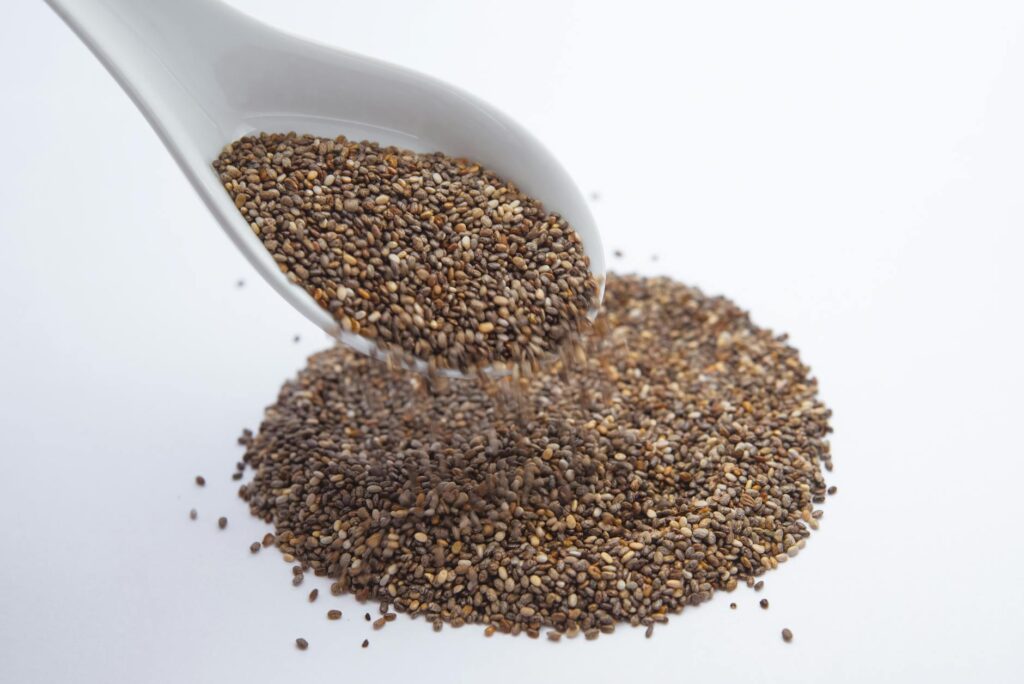
The quality of chia seeds can vary based on several factors, including the region of cultivation, processing methods, and grading standards. High-quality chia seeds are typically uniform in size and appearance, with a glossy sheen. They should be free from contaminants and any off-putting odors.
Chia seeds are generally sold in two forms: black and white. While nutritional profiles are similar, the black variety is often considered more traditional and may be favored for its slightly richer flavor.
Grading Standards
Quality grading may vary by region, but generally, chia seeds are assessed based on criteria such as:
- Size and Uniformity: Consistent size indicates better processing and quality control.
- Moisture Content: Ideal moisture levels should be below 8% to prevent spoilage.
- Purity: The absence of foreign seeds or contaminants is crucial for quality assurance.
- Thickening Agent: When mixed with liquids, chia seeds expand and create a gel, making them ideal for thickening smoothies, puddings, and sauces.
- Baking: Chia seeds can serve as an egg substitute in vegan baking, offering binding properties while enriching the nutritional content of baked goods.
- Toppings and Add-ins: They can be sprinkled on salads, yogurt, or oatmeal, adding a delightful crunch and a nutrient boost.
- Hydration: Chia seeds can absorb up to 10-12 times their weight in water, making them effective for hydration, particularly in sports drinks and energy gels.
- Nutritional Supplements: Due to their high omega-3 fatty acid content, chia seeds are often included in health supplements and dietary products.
- Cool, Dry Place: Chia seeds should be kept in a cool and dry environment to prevent moisture from inducing mold or spoilage.
- Air-tight Containers: Storing chia seeds in air-tight containers can help protect them from exposure to oxygen and humidity, which can lead to rancidity.
- Refrigeration: For extended shelf life, especially if you buy in bulk, consider refrigerating chia seeds. This helps preserve their freshness and prevents the oil content from going rancid.
Buying Considerations
When purchasing chia seeds, consumers should consider factors such as sourcing, packaging, and storage conditions. Opting for organic chia seeds may ensure that they are free from pesticides and other harmful chemicals. Additionally, purchasing from reputable brands that provide transparency regarding their sourcing and processing can help guarantee quality.
Packaging
Chia seeds are often sold in bulk or packaged in sealed containers. Look for packaging that protects against light and moisture, as these factors can significantly impact the seeds’ shelf life.
Expiration Dates
Be sure to check the expiration date on packages, as this provides a guideline for freshness. However, it’s essential to note that chia seeds can remain usable beyond this date if stored correctly.
Uses and Applications
Chia seeds are remarkably versatile and can be incorporated into a variety of culinary applications. Their unique ability to absorb liquid and form a gel-like substance makes them a popular choice in several contexts:
Storage and Shelf Life
Proper storage is crucial to maintaining the quality and longevity of chia seeds. While they do not have a strict expiration date, their shelf life can be significantly affected by how they are stored.
Ideal Storage Conditions
Shelf Life
Generally, when stored properly, chia seeds have a shelf life of about 2 to 4 years. However, it’s wise to conduct a sensory evaluation—check for off-sm