
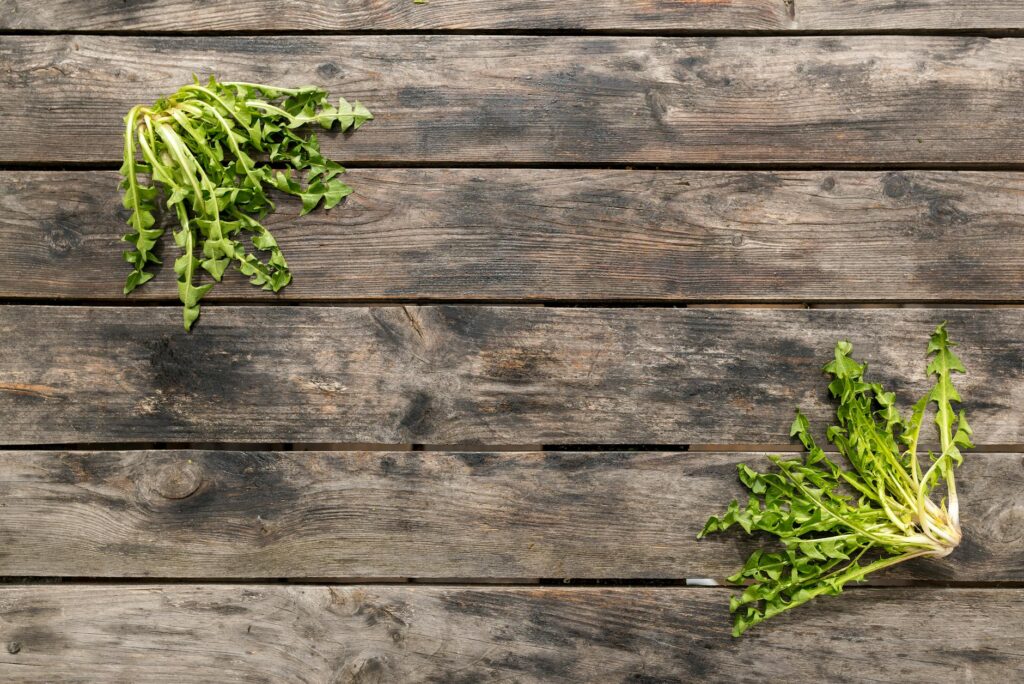
Does Dandelion Greens Expire?
Introduction
Dandelion greens, often regarded as a culinary delicacy in various cultures, are nutrient-rich leafy vegetables that offer a plethora of uses. While they are celebrated for their flavor and health benefits, an essential aspect of enjoying dandelion greens is understanding their shelf life and storage requirements. This article delves into the nuances of dandelion greens, addressing their expiration, storage practices, and practical uses.
What Is Uses?
In the context of food ingredients, “uses” refers to the various applications of an ingredient in culinary practices, medicine, and other domains. Dandelion greens are multifaceted, serving not only as a flavorful addition to dishes but also as a source of nutritional benefits. Their versatility makes them an ingredient worthy of exploration, particularly regarding their freshness and proper utilization.
History and Origins
Dandelion (Taraxacum officinale) is a flowering plant native to Europe and Asia but has spread globally due to its hardiness and adaptability. Its leaves, roots, and flowers have been utilized for centuries, often in traditional medicine, cuisine, and even dye production. Historical records indicate that dandelion greens were consumed as early as the Middle Ages, where they were valued for their bitter flavor and health-promoting properties.
The name “dandelion” derives from the French “dent de lion,” meaning “lion’s tooth,” referring to the jagged edges of the leaves. Over the years, dandelion greens have gained recognition in gourmet and health-conscious circles, celebrated for their distinct taste and nutritional profile.
Production and Processing
Dandelion greens can be harvested from wild or cultivated sources. Wild dandelion greens are often foraged in spring and early summer when they are most tender and flavorful. Cultivated varieties, such as the French “dandelion” or “catalogna,” are grown specifically for culinary purposes and are often found in specialty markets.
Once harvested, dandelion greens undergo minimal processing. They are typically washed, trimmed, and packaged for sale. Some producers may blanch the greens to enhance their color and texture, while others may leave them raw for a more natural presentation. Understanding the production and processing methods can provide insight into the quality and freshness of the greens available in the market.
Quality and Grading
The quality of dandelion greens can significantly impact their culinary applications. When assessing dandelion greens, consider the following factors:
- Color: Fresh dandelion greens should exhibit a vibrant green hue. Yellowing or wilting leaves indicate age or improper storage.
- Texture: The leaves should be crisp and firm. Limp or slimy greens are signs of spoilage.
- Aroma: Fresh dandelion greens carry a mild, earthy scent. A strong or off-putting odor may suggest deterioration.
- Salads: Fresh dandelion greens can be used as a base for salads, paired with ingredients like nuts, fruits, and cheeses to balance their bitterness.
- Sautéed Dishes: Cooking dandelion greens can mellow their bitterness. They can be sautéed with garlic and olive oil, making a delicious side dish.
- Soups and Stews: Dandelion greens can be added to soups and stews, contributing both flavor and nutritional value.
- Smoothies: For those seeking a nutritional boost, adding dandelion greens to smoothies can provide a wealth of vitamins and minerals without overpowering the drink’s flavor.
- Herbal Uses: Beyond culinary applications, dandelion greens are often used in herbal preparations, from teas to tinctures, capitalizing on their traditional uses in folk medicine.
Quality control is essential in the grading process, as it ensures that consumers receive the best possible product. While there are no formal grading standards for dandelion greens, reputable sellers often provide information regarding the freshness and sourcing of their products.
Buying Considerations
When purchasing dandelion greens, several factors should be kept in mind to ensure optimal quality:
1. Source: Opt for greens sourced from reputable suppliers, whether from local farmers’ markets or trusted grocery stores. Organic options may be preferable for those concerned about pesticide use.
2. Seasonality: Dandelion greens are typically in season from early spring to late summer. Purchasing them during peak seasons can guarantee maximum freshness and flavor.
3. Appearance: Always inspect the greens before buying. Look for vibrant, crisp leaves and avoid any with signs of wilting or discoloration.
4. Storage Conditions: Inquire about how the greens have been stored. Proper refrigeration is crucial for maintaining freshness.
5. Packaging: If buying pre-packaged greens, check the packaging date and ensure that it is sealed properly to prevent spoilage.
By considering these factors, consumers can make informed purchasing decisions that lead to a more enjoyable culinary experience.
Uses and Applications
Dandelion greens are highly versatile and can be used in various culinary applications. Their slightly bitter flavor can enhance a variety of dishes:
The adaptability of dandelion greens allows for creativity in the kitchen, making them a valuable ingredient for chefs and home cooks alike.
Storage and Shelf Life
Understanding how to store dandelion greens properly is essential for maximizing their shelf life. Here are some guidelines:
1. Refrigeration: Store dandelion greens in the refrigerator as soon as possible after purchase. Ideally, they should be kept in a breathable container, such as a perforated plastic bag, to maintain humidity while allowing for air circulation.
2. Temperature: The optimal storage temperature for dandelion greens is around 32°F to 36°F (0°C to 2°C). Avoid placing them near fruits that produce ethylene gas, as this can hasten spoilage.
3. Shelf Life: Fresh dandel