
Does Fennel Expire?
Introduction
Fennel, a versatile and aromatic herb, has been celebrated for centuries for its culinary and medicinal qualities. With a unique flavor profile that combines hints of anise and licorice, fennel is used in a variety of dishes worldwide. As with any ingredient, understanding its longevity and proper storage is crucial for both chefs and home cooks alike. This article delves into the characteristics of fennel, its shelf life, and best practices for storage to ensure optimal usage.
What Is Fennel?
Fennel (Foeniculum vulgare) is a flowering plant species belonging to the carrot family, Apiaceae. It is native to the Mediterranean region but is now cultivated globally. The plant is characterized by its feathery leaves, bulbous base, and distinct aroma. Fennel is not only a culinary ingredient but has also been used in traditional medicine for its potential health benefits, although this article will focus primarily on its culinary applications.
History and Origins
Fennel has a rich history that dates back to ancient civilizations. The Romans revered fennel for its flavor and believed it had magical properties. It was used in various dishes and even as a symbol of strength and courage during gladiatorial games. In ancient Egypt, fennel was employed as a remedy for various ailments. Over the centuries, fennel spread across Europe and Asia, becoming integral to many culinary traditions, from Italian to Indian cuisines.
Production and Processing
Fennel is grown in temperate climates where it flourishes in well-drained soil. The plant typically reaches maturity in about 90 to 120 days. Harvesting fennel involves cutting the bulb just above the root, and the leaves can also be trimmed for culinary use. Once harvested, the fennel must be processed properly to maintain its freshness. This may involve washing, trimming, and packaging for distribution.
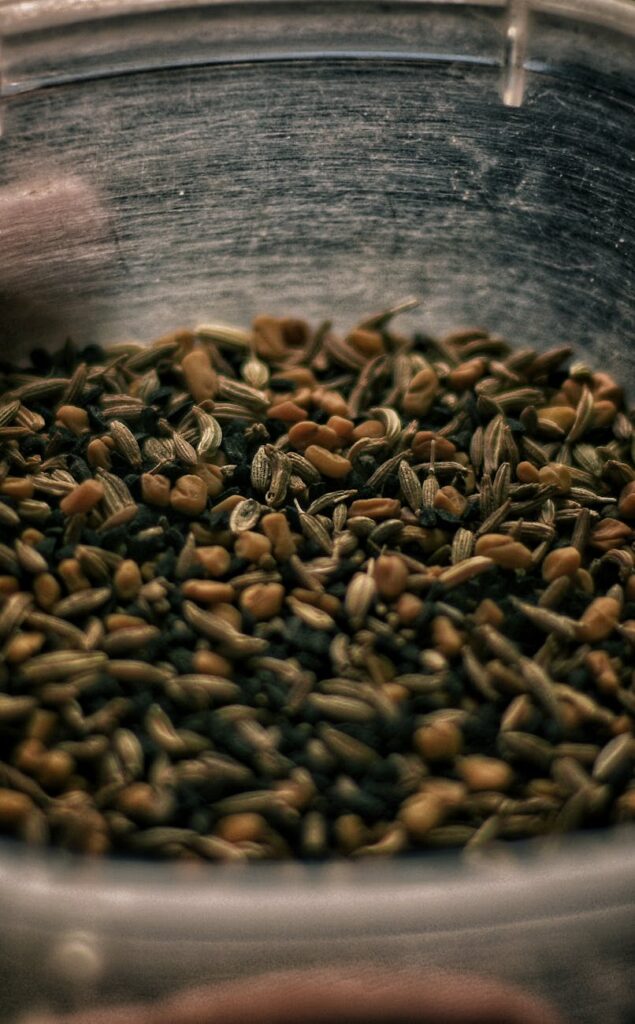
Fennel seeds, an essential aspect of the plant, are harvested when the seed heads dry out. These seeds can be used whole or ground, adding depth to various dishes. The processing of fennel seeds involves drying and sometimes roasting, which enhances their flavor.
Quality and Grading
The quality of fennel can vary significantly based on various factors, including the growing conditions and harvesting methods. Fresh fennel is typically graded based on its appearance, firmness, and aroma. Premium fennel bulbs should be firm to the touch, devoid of blemishes, and possess a strong, pleasant scent.
Fennel seeds, on the other hand, are evaluated based on their size, color, and flavor intensity. High-quality seeds are uniform in size, aromatic, and free from foreign materials.
Buying Considerations
When purchasing fennel, whether fresh or as seeds, there are several factors to consider to ensure quality:
1. Freshness: For fresh fennel, look for bulbs that are firm and have a vibrant green color. Avoid those that are wilted or have brown spots.
2. Organic vs. Conventional: Organic fennel may have a richer flavor and fewer pesticide residues. Consider opting for organic if available.
3. Storage: If you are buying fresh fennel, check how it has been stored. It should be kept refrigerated if not consumed immediately.
4. Seed Quality: When purchasing fennel seeds, ensure they are stored in airtight containers to preserve their flavor and aroma.
Uses and Applications
Fennel serves multiple purposes in culinary practices. Its bulb, fronds, and seeds all have unique applications:
1. Culinary Uses: Fresh fennel bulbs can be sliced raw into salads, roasted, or sautéed, adding texture and flavor to various dishes. The fronds can be used as a garnish or blended into sauces, while the seeds are often used in spice blends, baked goods, and as a digestive aid after meals.
2. Flavoring Agent: Fennel’s unique flavor makes it a popular choice in Mediterranean and Asian cuisines. It is commonly used in fish dishes, soups, stews, and pickles.
3. Herbal Teas: Fennel seeds are often brewed into herbal teas, prized for their aromatic qualities and digestive benefits.
4. Preservation: Fennel is sometimes pickled to enhance its flavor and shelf life, allowing for longer storage and varied uses throughout the year.
Storage and Shelf Life
Understanding how to properly store fennel is essential for maximizing its shelf life:
Fresh Fennel
- Refrigeration: Fresh fennel should be stored in the refrigerator, ideally in the vegetable crisper drawer. It can last for about 7 to 10 days, provided it is kept in a perforated plastic bag to allow for airflow.
- Freezing: For longer storage, fennel can be blanched and then frozen. This method preserves its flavor and texture, allowing it to be used in cooked dishes later on.
- Airtight Containers: Fennel seeds should be stored in airtight containers, away from light and moisture. When stored correctly, whole fennel seeds can last for up to 3 years, while ground fennel should be used within 6 months for optimal flavor.
Fennel Seeds
Common Misconceptions
Despite its popularity, several misconceptions about fennel persist:
1. Fennel and Anise Are the Same: While fennel and anise share similar flavor profiles, they are distinct plants. Anise has a more intense flavor, and the two should not be confused in culinary applications.
2. Fennel Expiration: Many believe that fennel “expires” in the traditional sense. While it may lose flavor and texture over time, it does not become harmful to consume immediately after its shelf life. However, quality diminishes, and taste