
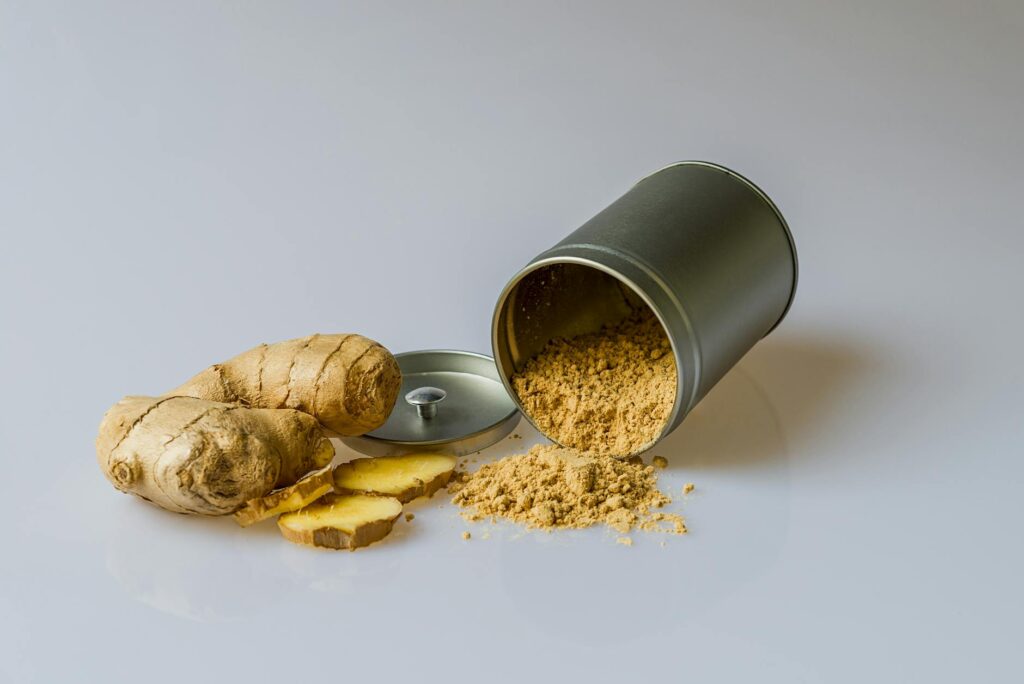
Does Ginger Expire?
Introduction
Ginger, a revered spice with a rich history, is celebrated for its unique flavor, aroma, and numerous applications in culinary and medicinal practices. As a staple ingredient in many kitchens around the world, the question often arises: does ginger expire? Understanding the factors that contribute to ginger’s longevity is essential for both culinary enthusiasts and those looking to maximize the potential of this versatile ingredient. This article delves into ginger’s uses, history, production, quality grading, storage, and more to provide a comprehensive overview of this remarkable root.
What Is Uses?
In the context of food ingredients, “uses” refers to the various applications and purposes an ingredient can serve. Ginger is utilized for its culinary properties, adding flavor to dishes, beverages, and desserts. Beyond the kitchen, ginger plays a significant role in traditional medicine, natural remedies, and even cosmetics. Its versatility makes it a valuable ingredient in diverse cultural cuisines, ranging from Asian stir-fries and curries to Western teas and baking.
History and Origins
Ginger (Zingiber officinale) has a storied history that dates back over 5,000 years. Originating in Southeast Asia, it was among the first spices to be traded along ancient trade routes. The spice was highly valued in ancient cultures, not only for its culinary applications but also for its purported health benefits.
Ginger spread to various parts of the world, including the Mediterranean region, where it became a staple in both cooking and medicine. In medieval Europe, it was a prized commodity, often used to mask the taste of spoiled food. Today, ginger is cultivated in many tropical and subtropical regions, with India, China, and Indonesia being the leading producers.
Production and Processing
The production of ginger involves several stages, including cultivation, harvesting, and processing. Ginger thrives in warm, humid climates and is typically grown in well-drained soils. The plant takes about 8 to 10 months to mature, after which the rhizomes are harvested.
Once harvested, ginger undergoes various processing methods depending on its intended use. Fresh ginger can be sold as whole rhizomes, while dried ginger is often ground into powder or preserved in syrup. The processing methods can influence the flavor, aroma, and shelf life of the final product. For instance, dried ginger tends to have a more concentrated flavor profile, making it suitable for baking and spice blends.
Quality and Grading
The quality of ginger is influenced by several factors, including its variety, freshness, and processing methods. When purchasing ginger, one can find it categorized into different grades based on these factors. Fresh ginger should be firm to the touch, with a smooth skin and a fragrant aroma.
Dried ginger, on the other hand, should be free from any signs of mold or discoloration. The grading system may also take into account the size and shape of the rhizomes, with larger, more uniform pieces often commanding higher prices. Understanding quality indicators can help consumers make informed choices when selecting ginger for culinary or medicinal uses.
Buying Considerations
When purchasing ginger, several factors should be considered to ensure optimal freshness and quality.
1. Fresh vs. Dried: Decide whether you need fresh ginger, which has a more vibrant flavor, or dried ginger, which is more concentrated.
2. Organic vs. Conventional: Organic ginger is grown without synthetic pesticides or fertilizers, which may appeal to health-conscious consumers.
3. Form: Ginger is available in various forms, including whole roots, powdered ginger, ginger paste, and crystallized ginger. Choose the form that best suits your culinary needs.
4. Source: Consider buying ginger from reputable suppliers who specialize in fresh produce or spices. Local farmers’ markets can also be excellent sources of fresh ginger.
5. Appearance: Look for ginger that is plump and firm, with smooth skin. Avoid any with wrinkles, blemishes, or soft spots.
Uses and Applications
Ginger’s versatility is one of its most appealing attributes, leading to its extensive use across various culinary traditions.
Culinary Uses
1. Flavoring Agent: Ginger is widely used in savory dishes, imparting a warm, spicy flavor to stir-fries, curries, and marinades.
2. Beverages: Fresh ginger is often used in teas, juices, and cocktails, providing a refreshing kick. Ginger ale and ginger beer are popular non-alcoholic beverages that showcase the spice’s unique flavor.
3. Baking: Ground ginger is a common ingredient in baked goods, such as gingerbread cookies and spiced cakes, where it adds depth and warmth.
4. Preserves and Condiments: Ginger can be preserved in sugar or vinegar, resulting in delicious condiments that can elevate various dishes.
Medicinal and Health Uses
While this article does not delve into medical advice, it is worth noting that ginger has been historically associated with various health benefits. It is often used in traditional medicine to aid digestion and alleviate nausea.
Cosmetic Uses
Ginger is also finding its way into cosmetic products, where its antioxidant properties are utilized in skincare formulations. Ginger-infused oils and creams are popular for their warming and rejuvenating effects.
Storage and Shelf Life
The shelf life of ginger varies based on its form and how it is stored.
Fresh Ginger
Fresh ginger can last for several weeks when stored properly. To extend its shelf life, keep it in a cool, dry place away from direct sunlight. For longer storage, fresh ginger can be kept in the refrigerator, preferably wrapped in a paper towel and placed in a breathable bag. In this condition, it can last up to three weeks.
If you have excess fresh ginger, consider freezing it. This can be done by peeling and slicing the ginger before placing it in an airtight container or freezer bag