
Does Lebanese Bread Expire?
Introduction
Lebanese bread, also known as pita bread or khubz, is a staple in many Middle Eastern diets. Its versatility, unique texture, and cultural significance make it a cherished component of various dishes. However, like all food products, Lebanese bread has a finite shelf life. Understanding its uses, storage, and expiration can enhance your culinary experience and prevent food waste. This article delves into the various aspects of Lebanese bread, including its history, production, and best practices for storage.
What Is Lebanese Bread?
Lebanese bread is a round, flatbread that is traditionally made from wheat flour, water, and yeast. It is characterized by its pocket-like structure, which forms during the baking process when steam causes the bread to puff up. This feature makes it ideal for stuffing with various fillings, serving as a scoop for dips, or accompanying a wide range of dishes. The bread is often baked in a hot stone oven, giving it a slightly charred exterior and a soft, chewy interior.
History and Origins
The history of Lebanese bread is as rich as the culture from which it originates. Flatbreads have been consumed for thousands of years, with evidence suggesting that their production began in the Fertile Crescent, a region that includes modern-day Lebanon. The technique of baking flatbreads on hot stones or in clay ovens has been passed down through generations, evolving into the beloved Lebanese bread we know today.
Lebanese bread is closely tied to the region’s agricultural practices and the cultivation of wheat. It has served not just as a food source but also as a cultural symbol, often appearing in rituals and traditions. Its significance extends beyond mere sustenance; it represents community, hospitality, and the sharing of meals.
Production and Processing
The production of Lebanese bread involves several key steps. The basic ingredients—wheat flour, water, yeast, and salt—are mixed to form a dough. The dough is allowed to rise, during which the yeast ferments and creates carbon dioxide bubbles, contributing to the bread’s characteristic fluffiness.
Once risen, the dough is divided into small portions, which are rolled into flat discs and then baked at high temperatures in a traditional oven. The intense heat causes the moisture inside the dough to turn into steam, puffing the bread up and creating a pocket. After baking, the bread is often placed on cooling racks to prevent it from becoming soggy.
Quality and Grading
The quality of Lebanese bread can vary based on several factors, including the type of flour used, the fermentation process, and the baking technique. High-quality Lebanese bread is usually made from whole wheat flour, resulting in a more robust flavor and higher nutritional content. It should have a golden-brown exterior with a soft, pliable interior.
Grading is less formal for Lebanese bread than for other food products, but certain characteristics can indicate freshness and quality. Look for bread that is free from discoloration, has a pleasant aroma, and is free from any off-putting smells or textures.
Buying Considerations
When purchasing Lebanese bread, consider the following factors:
1. Freshness: Always check the production date. Fresh bread will have a softer texture and better flavor.
2. Ingredients: Opt for bread made with minimal ingredients. Avoid products with preservatives or artificial additives.
3. Storage: Pay attention to how the bread is packaged. Vacuum-sealed or well-wrapped options may have a longer shelf life.
4. Local vs. Imported: If possible, buy bread from local bakeries that specialize in traditional methods. This often results in better quality and freshness.
Uses and Applications
Lebanese bread is incredibly versatile, serving a multitude of culinary applications. Its uses include:
- Wraps and Sandwiches: The pocket created during baking makes it an ideal vessel for fillings, turning it into a wrap or sandwich base.
- Dips: It pairs beautifully with dips such as hummus, baba ghanoush, and tzatziki, serving as both a utensil and a flavorful accompaniment.
- Side Dish: Lebanese bread is often served alongside main dishes like grilled meats, stews, or salads.
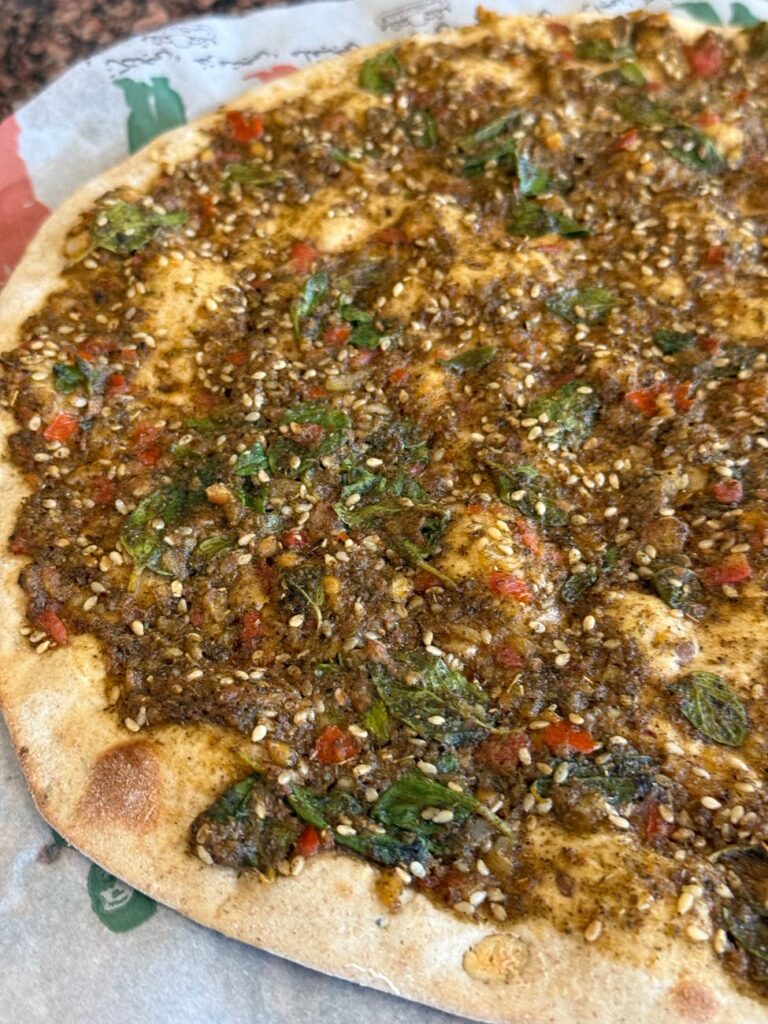
- Pizzas and Flatbreads: It can be topped with various ingredients and baked to create a quick and easy flatbread pizza.
- Breakfast: Many use it for breakfast by stuffing it with eggs, cheese, or vegetables.
Storage and Shelf Life
Lebanese bread does not have a long shelf life due to its natural ingredients. Generally, it can last up to 3-5 days at room temperature if stored properly. To maintain its freshness, store the bread in a cool, dry place, ideally in a cloth bag or wrapped in a kitchen towel to prevent moisture accumulation.
For longer storage, consider freezing the bread. When frozen, Lebanese bread can last for several months. To do this, wrap it tightly in plastic wrap or aluminum foil and place it in an airtight container. When ready to use, thaw it at room temperature or warm it briefly in an oven.
Common Misconceptions
Many misconceptions surround the expiration of Lebanese bread:
1. “It Can Last Forever”: While bread may appear fine, it can harbor mold or degrade in quality over time. Always check for signs of spoilage.
2. “Freezing Changes the Texture”: While freezing can alter texture slightly, proper wrapping can minimize changes and maintain quality.
3. “Storing in the Fridge Extends Shelf Life”: Refrigeration can actually speed up the staling process for bread. Room temperature or freezing is preferable.
Frequently Asked Questions
1. How can I tell if Lebanese bread has gone bad?
Signs of spoilage include mold, an off smell, or a hard, dry texture. If any of these are present, it is