
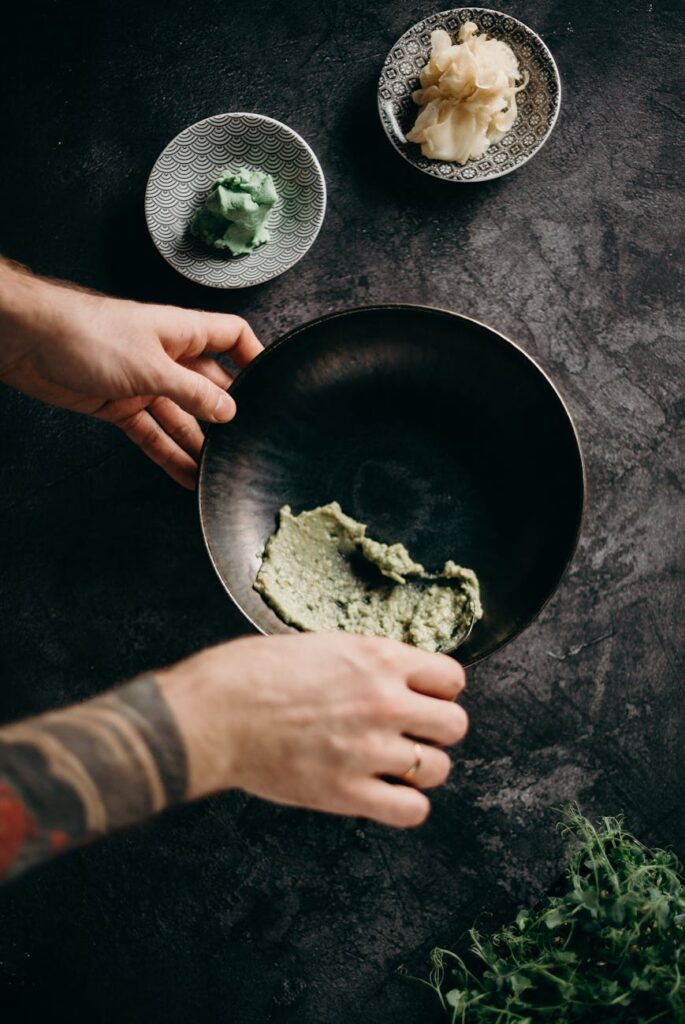
Does Miso Marinated Radish Expire?
Introduction
Miso marinated radish is a unique culinary ingredient celebrated for its distinctive flavor profile and versatility in various dishes. This article delves into the nuances of miso marinated radish, focusing on its uses, origins, production methods, and crucially, its shelf life and expiration considerations. Understanding these aspects not only enhances culinary knowledge but also informs appropriate storage and usage practices.
What Is Miso Marinated Radish?
Miso marinated radish is a condiment or side dish made by soaking radishes in miso paste, which is fermented soybean paste renowned for its umami flavor. The radish absorbs the rich, savory notes of miso, transforming its crisp texture into a tender, flavorful bite. This preparation is prevalent in Japanese cuisine, where it serves as an accompaniment to various meals or as a flavorful addition to salads and rice dishes.
History and Origins
The origins of miso can be traced back over a thousand years to ancient China, where it was known as “jiang.” It made its way to Japan, where it evolved into the various regional varieties we know today. Miso marinated radish, specifically, has roots in traditional Japanese cooking practices, where fermentation and seasoning play pivotal roles in food preservation and flavor enhancement. The practice of marinating vegetables in miso reflects a broader cultural appreciation for umami and the importance of balance in culinary arts.
Production and Processing
The production of miso marinated radish involves several key steps. First, fresh radishes are selected based on their size and quality. They are typically washed, peeled, and cut into desired shapes before being immersed in a mixture of miso paste, which may include additional ingredients such as sugar, sake, or mirin to enhance the flavor.
The marination process can vary in duration, ranging from a few hours to several days, depending on the desired intensity of flavor. During this time, the enzymes in the miso interact with the radish, breaking down its cellular structure and allowing for greater absorption of flavors. After marination, the radish is often rinsed to remove excess miso before serving.
Quality and Grading
Quality and grading of miso marinated radish depend on several factors, including the type of miso used, the freshness of the radishes, and the length of the marination process. High-quality miso is typically characterized by its rich flavor, aroma, and color, which can range from light yellow to dark brown. The choice of miso—be it white, yellow, red, or mixed—also impacts the final taste of the marinated radish.
When evaluating quality, consumers should look for vibrant colors in the radishes and a well-balanced flavor that harmonizes the natural sweetness of the radish with the savory depth of the miso. Organic and locally sourced ingredients often yield superior flavor profiles and nutritional benefits.
Buying Considerations
When purchasing miso marinated radish, several factors should be taken into account:
1. Source: Opt for products from reputable manufacturers that use high-quality miso and fresh radishes.
2. Ingredients: Review the ingredient list for any additives or preservatives. Authentic preparations should primarily consist of radish, miso, and possibly a few natural flavorings.
3. Packaging: Check for proper packaging that ensures freshness. Vacuum-sealed packs or jars with airtight lids are preferable.
4. Expiration Dates: Always pay attention to the expiration or best-by dates to ensure product quality.
Uses and Applications
Miso marinated radish serves various culinary purposes:
- Side Dish: It is commonly served as a refreshing side dish in Japanese meals, complementing rich entrees like grilled fish or meat.
- Salads: The tangy, umami flavor enhances salads, adding texture and depth.
- Rice and Grain Bowls: It can be included in rice or grain bowls, providing a contrast to other ingredients like greens, proteins, and sauces.
- Sandwiches and Wraps: Miso marinated radish can be used as a flavorful filling in sandwiches or wraps, adding crunch and zest.
- Garnish: Thinly sliced radish can serve as a garnish for soups and noodle dishes, elevating presentation and taste.
- “It Doesn’t Expire”: While miso itself has a long shelf life due to its fermentation, miso marinated radish is still a perishable product. Proper storage is essential.
- “All Miso is the Same”: Different types of miso impart varying flavors and qualities to the marinated
The versatility of miso marinated radish makes it an excellent ingredient for both casual and gourmet dining experiences.
Storage and Shelf Life
Proper storage is crucial to maintaining the quality and safety of miso marinated radish. If stored correctly, it can last for several weeks to months.
1. Refrigeration: After opening, miso marinated radish should be refrigerated at all times. It is best kept in an airtight container to prevent contamination and moisture loss.
2. Freezing: For longer-term storage, miso marinated radish can be frozen. However, this may alter its texture, making it less crisp upon thawing.
3. Shelf Life: Unopened packs can typically last for several months past the expiration date if stored in a cool, dark place. Once opened, it is advisable to consume the product within 2-4 weeks for optimal flavor and safety.
4. Signs of Spoilage: If the radish develops an off smell, unusual discoloration, or a slimy texture, it is best to discard it.
Common Misconceptions
Several misconceptions about miso marinated radish may lead to confusion among consumers: