
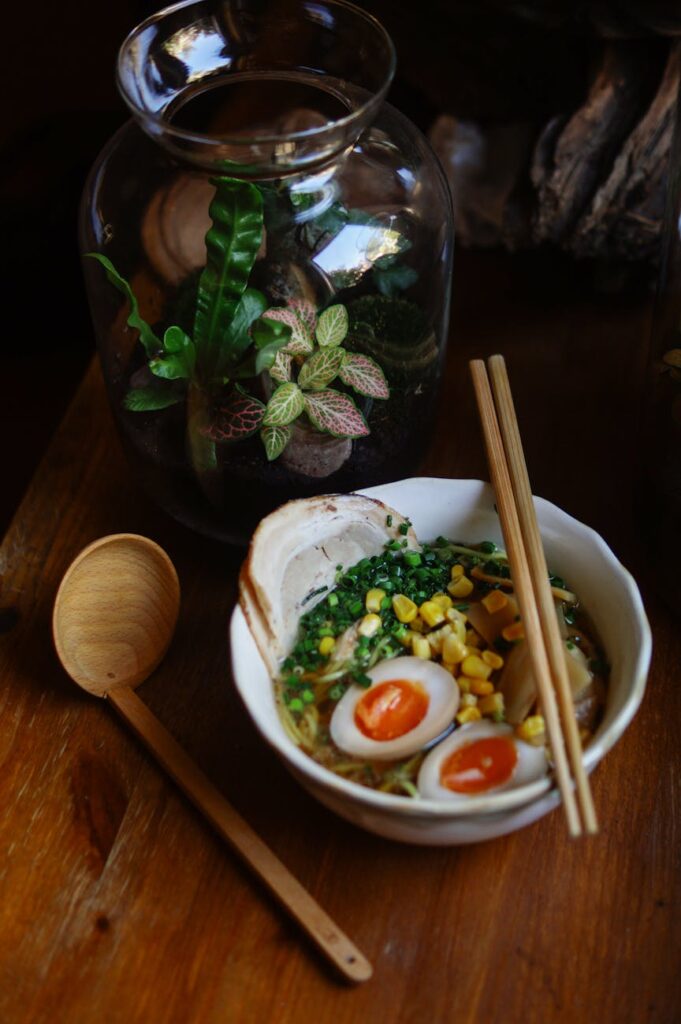
Does Miso Ramen Broth Expire?
Introduction
Miso ramen broth is a cornerstone of Japanese cuisine, celebrated for its complex flavors and nourishing qualities. As with many culinary ingredients, questions often arise regarding its shelf life and expiration. Understanding these aspects is essential not only for safety but also for preserving the integrity of this beloved broth. This article will delve into the various facets of miso ramen broth, addressing its uses, history, production, storage, and the common misconceptions that surround it.
What Is Uses?
In culinary terms, “uses” refers to the various applications and functions of an ingredient. Miso ramen broth, specifically, serves multiple roles in cooking, ranging from its primary function as a soup base to its use as a seasoning or flavor enhancer in other dishes. This versatility is largely due to the rich umami flavor profile of miso, which can elevate the taste of vegetables, meats, and grains.
History and Origins
Miso ramen broth has its roots in Japan, where ramen itself evolved over centuries. Miso, a fermented soybean paste, has been a staple in Japanese cuisine for over a thousand years. Its incorporation into ramen is believed to have originated in Hokkaido in the 1950s, where the cold climate called for heartier, more robust flavors. The unique combination of miso with ramen noodles created a dish that not only satisfied hunger but also warmed the soul.
As ramen spread across Japan and eventually the globe, miso ramen became a beloved variant, celebrated for its rich, savory taste. The broth, typically made by dissolving miso paste in a stock, showcases the depth of flavor that can be achieved through the fermentation process, highlighting the cultural significance of fermentation in Japanese cooking.
Production and Processing
The production of miso ramen broth typically involves the careful blending of miso paste with other ingredients such as dashi (a Japanese soup stock), vegetables, and sometimes meat. The process begins with the fermentation of soybeans, which are cooked and then mixed with salt and koji mold, a crucial element that catalyzes the fermentation. This process can take anywhere from a few months to several years, depending on the desired flavor and texture of the miso.
Once the miso is ready, it is often combined with dashi, which provides a umami-rich foundation. Additional ingredients like garlic, ginger, and green onions may also be included to enhance the complexity of the broth. The final product can vary significantly in flavor, color, and texture, influenced by the type of miso used—white (shiro), yellow (shinshu), or red (aka)—as well as the specific cooking techniques employed.
Quality and Grading
The quality of miso ramen broth is directly tied to the ingredients used and the methods of preparation. High-quality miso should be made from organic soybeans and contain no artificial additives. When assessing the quality of miso ramen broth, consider factors such as:
- Flavor: A well-balanced broth should have a rich umami flavor without being overly salty or harsh.
- Texture: The broth should be smooth and cohesive, free from excessive sediment or separation.
- Aroma: Fresh miso broth should have a pleasant, inviting smell, indicative of quality ingredients.
- Soup Base: The most common use, providing a rich, flavorful foundation for ramen.
- Stews and Soups: Miso broth can enhance the flavor of various soups and stews, adding depth and richness.
- Marinades: It can serve as a marinade for meats and vegetables, imparting a complex flavor profile.
- Dipping Sauce: Miso broth can be reduced and used as a dipping sauce for dumplings or vegetables.
- Grains: It can be incorporated into cooking grains such as rice or quinoa, enriching their flavor.
- Unopened Packages: Shelf-stable miso ramen broth can typically last for several months past the expiration date if stored in a cool, dry place.
- Opened Packages: Once opened, miso broth should be refrigerated and consumed within 5-7 days. Always seal the container tightly to prevent contamination.
- Freezing: For longer storage, miso ramen broth can be frozen. Portion it into airtight containers or freezer bags, where it can last for up to 3 months. To use, thaw in the refrigerator or gently heat the broth.
Grading systems for miso can vary by region and producer, but generally, higher-quality miso will be less processed and retain more of its natural flavors and nutrients. When purchasing miso ramen broth, look for artisanal brands or those produced in small batches to ensure optimal quality.
Buying Considerations
When buying miso ramen broth, several factors should be taken into account:
1. Type of Miso: Different types of miso offer varying flavor profiles. Choose one that aligns with your culinary goals.
2. Freshness: Check expiration dates or production dates to ensure you are purchasing a fresh product.
3. Ingredients List: Opt for miso broth with a short, recognizable ingredient list, avoiding those with preservatives or artificial flavors.
4. Packaging: Consider shelf-stable options versus refrigerated varieties. Refrigerated products often have a shorter shelf life but may offer fresher flavors.
5. Local Producers: Supporting local artisans can often yield fresher and higher-quality miso broth.
Uses and Applications
Miso ramen broth is not limited to merely serving as a base for ramen noodles. Its applications are vast:
The versatility of miso ramen broth makes it a valuable ingredient in both traditional and contemporary cuisine, allowing chefs and home cooks alike to experiment and innovate.
Storage and Shelf Life
Miso ramen broth can be stored effectively to maximize its shelf life. Here are some guidelines:
It is important to note that while the broth may remain safe to consume past its expiration date, the quality and