
Does Nori Expire?
Introduction
Nori, the delicate seaweed commonly used in sushi rolls and as a garnish for various dishes, has garnered significant attention from culinary enthusiasts and health-conscious individuals alike. While its flavor and versatility are widely celebrated, one question often arises: does nori expire? Understanding the shelf life and storage of nori is crucial for both culinary applications and health considerations. This article delves into nori’s uses, origins, production, and storage, providing a comprehensive overview of this beloved culinary ingredient.
What Is Nori?
Nori refers to edible seaweed, primarily from the genus Porphyra, that is harvested, processed, and dried for various culinary uses. It is a staple in Japanese cuisine and has gained global popularity due to its umami flavor and nutritional benefits. Nori is typically found in thin, dark green or black sheets and is often used to wrap sushi or as a seasoning in soups, salads, and snacks.
History and Origins
Nori has a rich history that dates back over a thousand years. It is believed to have been first cultivated in Japan during the 8th century, although wild harvesting of seaweed may have occurred even earlier. Initially, the Japanese harvested nori from natural beds along the coastlines, but as demand grew, cultivation techniques evolved. By the Edo period (1603–1868), nori farming became a well-established industry in Japan.
The production of nori spread to other regions, including Korea and China, where similar seaweed varieties are utilized. Today, nori is a global phenomenon, used not only in Asian cuisine but also in various international dishes.
Production and Processing
The production of nori involves several steps, starting from harvesting to drying and packaging. Nori is primarily cultivated in coastal areas with clean waters, where it grows on ropes or nets submerged in the ocean. Once harvested, the seaweed is washed thoroughly to remove impurities and salt.
After washing, it is chopped and then spread onto frames to create thin sheets. These sheets are then dried using heat or sunlight, resulting in the crispy texture that nori is known for. Finally, the dried sheets are packaged for distribution.
Quality control is vital throughout this process to ensure that the nori maintains its flavor, texture, and nutritional value.
Quality and Grading
Nori is graded based on several factors, including color, texture, and taste. The highest grades are typically dark green and have a smooth, even texture. Lower grades may appear more brittle or have a less vibrant color.
The grading system can vary by region, with some countries employing specific classifications. High-quality nori is sought after for sushi preparation, while lower grades may be used for snacks or cooking applications.
Buying Considerations
When purchasing nori, several factors should be considered to ensure quality and freshness.
1. Source: Look for nori that is sourced from reputable producers. Japanese nori is often considered the gold standard, but high-quality options are available from other countries as well.
2. Packaging: Opt for nori that is sealed in airtight packaging to protect it from moisture and light, which can degrade its quality.
3. Expiration Date: Always check the expiration date on the package. Fresh nori will typically have a shelf life of 6–12 months when stored properly.
4. Color and Texture: Inspect the nori sheets; they should be dark green or black and free from holes or tears.
Uses and Applications
Nori is a versatile ingredient that can be utilized in various culinary applications. Some of its most common uses include:
- Sushi: Nori is perhaps best known for its role in sushi, where it serves as a wrapper for rice and various fillings.
- Snacks: Nori can be toasted and seasoned to create delicious snacks, often enjoyed as a healthy alternative to chips.
- Soups and Salads: Crumbled nori can enhance the flavor profile of soups and salads, adding a hint of umami.
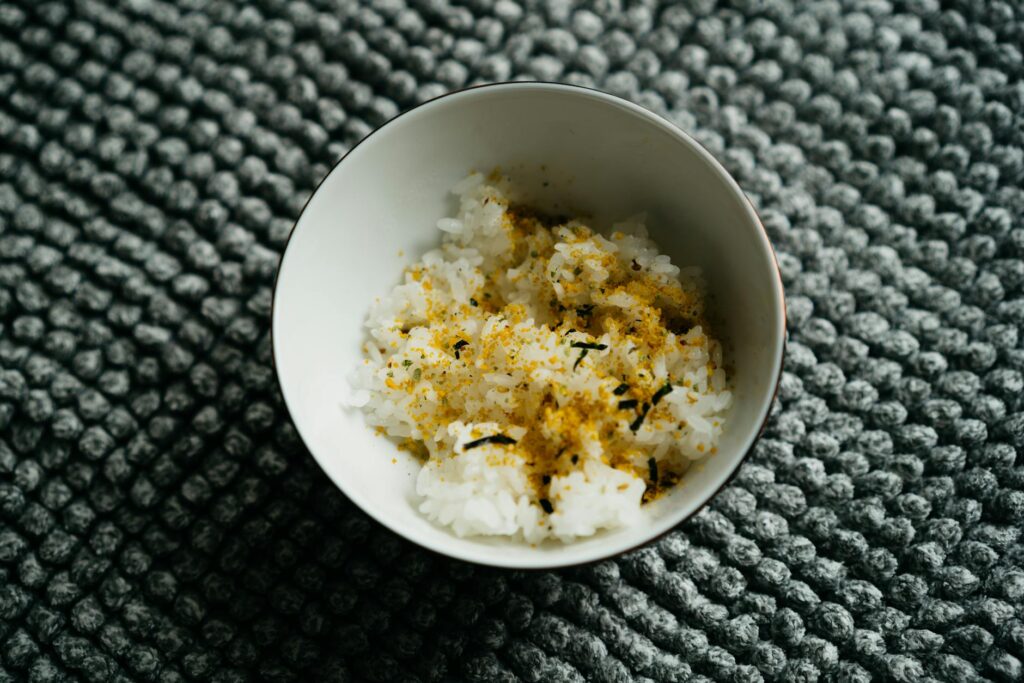
- Garnishes: Used as a garnish, nori adds visual appeal and flavor to dishes like ramen and rice bowls.
- Health Foods: Nori is packed with nutrients, making it a popular choice for health-conscious consumers. It is often incorporated into smoothies, salads, and grain bowls.
- Cool, Dry Place: Store nori in a cool, dry place away from direct sunlight. Ideally, a pantry or cupboard works well.
- Airtight Container: Once opened, transfer nori sheets to an airtight container to prevent moisture absorption.
- Avoid Humidity: Nori is particularly sensitive to humidity. If it absorbs moisture, it can become soggy and lose its crisp texture.
- “Nori Never Expires”: While nori can remain safe to eat past its expiration date, its flavor and texture may degrade. It is not immune to spoilage.
- “Stored Nori Will Always Be Crispy”: If nori is exposed to moisture, it can become chewy or soggy, even if it is within the expiration date.
- “All Nori Is Created Equal”: As mentioned earlier, there are varying grades of nori. Low-quality n
Storage and Shelf Life
Proper storage is essential for maintaining the quality of nori. When stored correctly, nori can last for an extended period. Here are some tips for optimal storage:
Regarding shelf life, unopened nori can last up to a year, while opened packages may last several months if stored properly. However, it’s important to regularly check for any signs of spoilage, such as discoloration or an off smell, which could indicate that nori has gone bad.
Common Misconceptions
Several misconceptions surround nori and its shelf life: