
Does Rhubarb Expire?
Introduction
Rhubarb, often heralded for its tart flavor and vibrant color, is a unique ingredient that has captivated the culinary world for centuries. Though commonly associated with desserts, its versatility extends far beyond. However, a pertinent question arises for both home cooks and culinary professionals alike: does rhubarb expire? Understanding the lifespan, uses, and storage methods of rhubarb can enhance its application in the kitchen and ensure optimal quality and safety.
What Is Rhubarb?
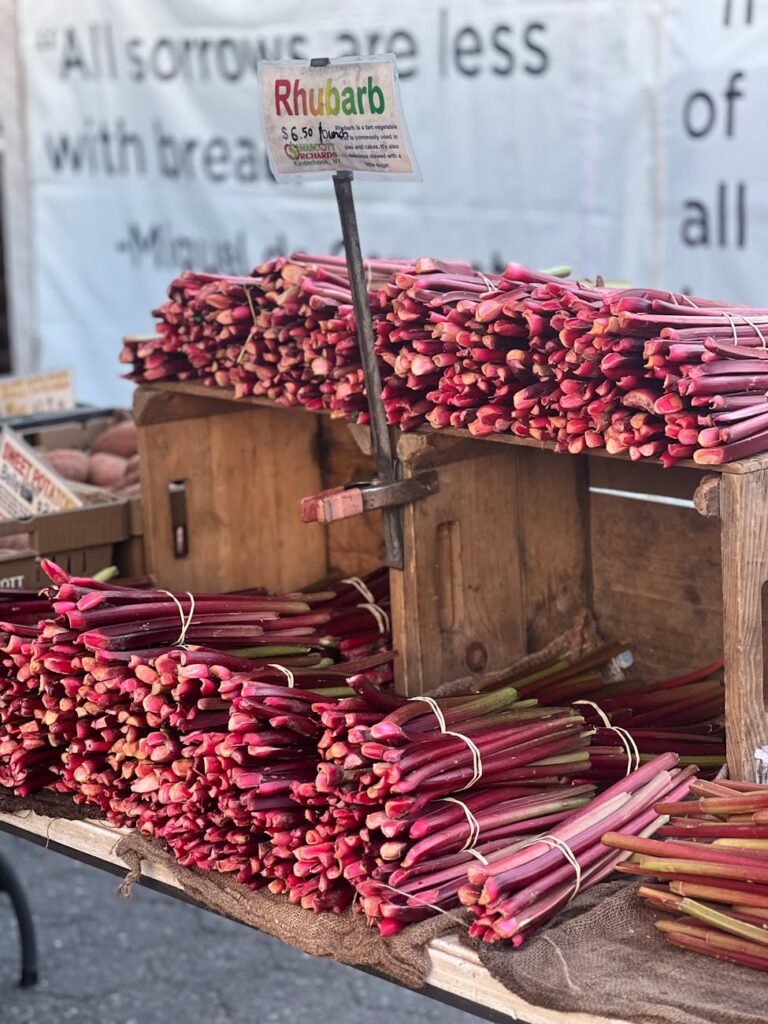
Rhubarb is a perennial plant belonging to the Polygonaceae family, known for its large, triangular leaves and tall, thick stalks. While technically a vegetable, it is often treated like a fruit in culinary contexts. The stalks are edible and are prized for their tartness, making them an excellent ingredient for pies, sauces, and even savory dishes. The leaves, however, are toxic and should never be consumed.
History and Origins
The history of rhubarb dates back to ancient times, with its origins traced to regions in Asia, particularly China. Initially cultivated for medicinal purposes, it was not until the 18th century that rhubarb made its way to Europe, where it gained popularity as a culinary ingredient. The English were among the first to embrace its potential, leading to the development of various recipes that showcased its unique flavor profile. Today, rhubarb is a staple in many cuisines worldwide, especially in North America and Europe.
Production and Processing
Rhubarb is primarily grown in temperate climates, thriving in regions with distinct seasons. The plant requires well-drained soil and ample sunlight to flourish. Farmers typically harvest rhubarb in spring and early summer, though certain varieties can produce stalks year-round in favorable conditions.
Once harvested, rhubarb is cleaned and trimmed, with the leafy tops removed before it reaches the market. This processing is crucial not only for safety but also for maintaining the quality of the edible stalks. Fresh rhubarb should be crisp and firm, with a vibrant color indicating freshness.
Quality and Grading
The quality of rhubarb is assessed based on several factors, including color, firmness, and absence of blemishes. Fresh rhubarb stalks should exhibit a bright pink to deep red hue, though green stalks are also edible. The firmness of the stalks is a critical indicator of freshness; they should snap easily when bent.
Grading systems may vary by region, but generally, rhubarb is categorized into three grades:
1. U.S. Fancy: This grade includes the highest quality rhubarb, characterized by perfect color, size, and texture.
2. U.S. No. 1: Slightly less perfect than U.S. Fancy, this grade still represents high-quality rhubarb.
3. U.S. No. 2: This grade may include stalks with minor blemishes or less vibrant color but is still suitable for cooking.
Buying Considerations
When purchasing rhubarb, several factors should be taken into account to ensure the best quality:
- Seasonality: Rhubarb is typically in season from late winter to early summer. Buying during this time can yield fresher and more flavorful stalks.
- Appearance: Choose stalks that are firm, crisp, and free from soft spots or discoloration. The skin should be smooth, and the color should be vibrant.
- Source: Whenever possible, opt for local or organic sources. Locally grown rhubarb is likely to be fresher and more flavorful than imported varieties.
- Refrigeration: Store fresh rhubarb in the refrigerator, ideally wrapped in a damp paper towel and placed in a plastic bag. This method helps retain moisture and prevents the stalks from wilting.
- Freezing: For longer storage, rhubarb can be frozen. It should be washed, chopped, and blanched before freezing to preserve its texture and flavor.
- Shelf Life: Fresh rhubarb can last in the refrigerator for about 1 to 2 weeks. Frozen rhubarb can be kept for up to a year without significant loss of quality.
- Rhubarb is a fruit: While rhubarb is often used in sweet dishes like fruits, it is botanically classified as a vegetable.
- All parts of the plant are edible: Only the stalks of rhubarb are safe for consumption. The leaves contain toxic compounds and should be discarded.
- Rhubarb is only for desserts: While it is famous for pies and crumbles, rhubarb’s versatility
Uses and Applications
Rhubarb’s culinary uses are vast and varied. Its tartness lends itself well to both sweet and savory dishes. Here are some common applications:
1. Baking: Rhubarb is a classic filling for pies and crumbles, often paired with strawberries to balance its tartness.
2. Sauces and Preserves: Cooked down with sugar, rhubarb makes an excellent sauce or compote, perfect for topping desserts or pancakes.
3. Savory Dishes: In recent years, chefs have begun to experiment with rhubarb in savory applications, using it in sauces, marinades, and as a side dish to complement meats.
4. Beverages: Rhubarb can be used to create refreshing drinks, such as rhubarb lemonade or shrubs, which are vinegar-based cocktails.
5. Pickling: The tartness of rhubarb makes it a candidate for pickling, providing a unique flavor to various dishes.
Storage and Shelf Life
Proper storage is crucial for extending the shelf life of rhubarb. Here are some key considerations:
Common Misconceptions
Several common misconceptions surround rhubarb that merit clarification: