
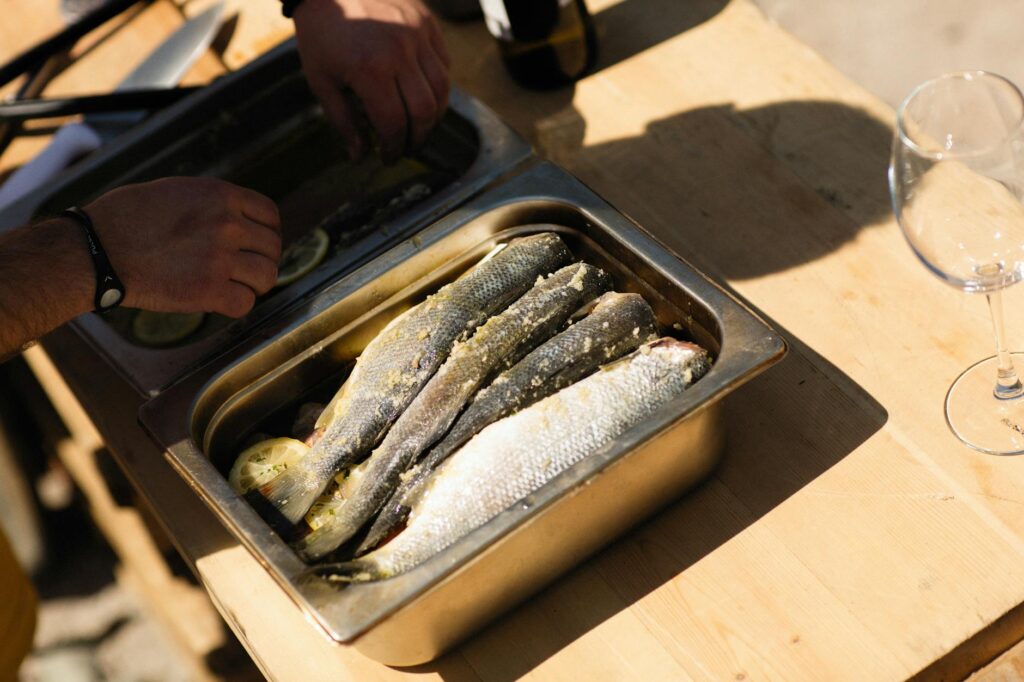
Does Sea Bass Expire?
Introduction
Sea bass is a popular fish revered for its delicate flavor and flaky texture, making it a favorite among chefs and home cooks alike. As with any perishable ingredient, understanding the lifespan of sea bass and its proper storage is essential for maintaining quality and safety. This article explores the uses of sea bass, its history, processing methods, buying considerations, and the intricacies of its shelf life.
What Is Uses?
In the culinary context, “uses” refers to the various applications and methods of preparation for a specific ingredient. Sea bass is notably versatile, suitable for grilling, baking, frying, and steaming. Its mild flavor allows it to pair well with a myriad of seasonings and accompaniments, making it a suitable choice for both simple and complex dishes. Understanding its uses not only enhances culinary creativity but also ensures optimal utilization of the ingredient, reducing waste and maximizing flavor.
History and Origins
Sea bass belongs to several families of fish, including the Serranidae and Moronidae families. The term “sea bass” often refers to various species, including European sea bass (Dicentrarchus labrax) and striped bass (Morone saxatilis), among others. Historically, sea bass has been consumed since antiquity and is a prominent feature in Mediterranean cuisine, particularly in Italy and Greece.
In Roman times, sea bass was highly esteemed and often featured at lavish banquets. Its popularity has only grown over the centuries, leading to its prominent role in modern gastronomy. The fish is now cultivated in aquaculture systems around the globe, ensuring a steady supply while also raising questions about sustainability and environmental impact.
Production and Processing
Sea bass is harvested from both wild fisheries and aquaculture. Wild-caught sea bass is primarily sourced from the Atlantic Ocean and the Mediterranean Sea, while farmed varieties are produced in controlled environments, such as fish farms in coastal regions.
The processing of sea bass involves several steps, including catching, cleaning, and filleting. After harvest, the fish must be handled with care to maintain freshness. Processing facilities follow stringent hygiene protocols to prevent contamination and spoilage. Once processed, sea bass is typically packaged and shipped to markets and retailers, where consumers can purchase it fresh, frozen, or smoked.
Quality and Grading
The quality of sea bass is generally assessed based on several criteria, including appearance, smell, and texture. Fresh sea bass should have clear, bright eyes, shiny scales, and a mild, ocean-like scent. The flesh should be firm and resilient to touch, indicating freshness.
Grading systems for fish vary by region, but generally, the highest quality fish is labeled as Grade A. Lower grades may exhibit signs of age or poor handling, affecting flavor and texture. When purchasing sea bass, consumers should look for labels or certifications from reputable sources that indicate adherence to quality and sustainability standards.
Buying Considerations
When selecting sea bass, several factors should be taken into account:
1. Freshness: Always choose fish that appears fresh. Check for clear eyes, bright skin, and a pleasant smell.
2. Sourcing: Opt for sustainably sourced sea bass whenever possible. Look for certifications such as the Marine Stewardship Council (MSC) or the Aquaculture Stewardship Council (ASC).
3. Cut: Sea bass is available in various forms, including whole fish, fillets, and steaks. Consider your intended use when selecting the cut.
4. Seasonality: Fresh sea bass availability may vary based on the season. Typically, peak seasons offer the best quality and flavor.
5. Storage: Consider how you will store and use the fish upon purchase. Fresh fish has a limited shelf life and should be consumed promptly.
Uses and Applications
Sea bass is celebrated for its culinary versatility. Here are some common uses and applications:
- Grilling: Whole sea bass can be grilled, providing a smoky flavor that complements its natural taste. The skin crisps up beautifully, adding texture.
- Baking: Baking sea bass with herbs, citrus, and aromatics allows the flavors to meld, resulting in a dish that is both flavorful and visually appealing.
- Sautéing: Fillets can be quickly sautéed in a hot pan, allowing for a crispy exterior while keeping the inside moist.
- Steaming: Steaming sea bass retains moisture and enhances its delicate flavor, making it an ideal method for health-conscious preparations.
- Ceviche: In regions where fresh seafood is abundant, sea bass is often used in ceviche, where it is marinated in citrus juices, creating a refreshing dish.
- Soups and Stews: The fish can also be incorporated into soups and stews, where its flavor enhances the overall dish.
- In the Refrigerator: 1 to 2 days. It should be stored in the coldest part of the fridge, ideally at temperatures below 32°F (0°C).
- In the Freezer: 6 to 12 months. Properly wrapped and sealed to prevent freezer burn, sea bass can maintain its quality for an extended period.
Understanding the culinary applications of sea bass not only expands one’s cooking repertoire but also encourages experimentation with flavors and techniques.
Storage and Shelf Life
The shelf life of sea bass is contingent on its form and storage conditions. Fresh sea bass, if properly handled, can last:
When storing sea bass, it is advisable to keep it in its original packaging or wrap it tightly in plastic wrap and aluminum foil. Vacuum-sealing is the best option for longer storage.
Signs that sea bass has expired include a sour smell, mottled skin, and a slimy texture. If any of these signs are present, it is best to discard the fish to avoid foodborne illness.
Common Misconceptions
Several misconceptions surround the storage and shelf life of