
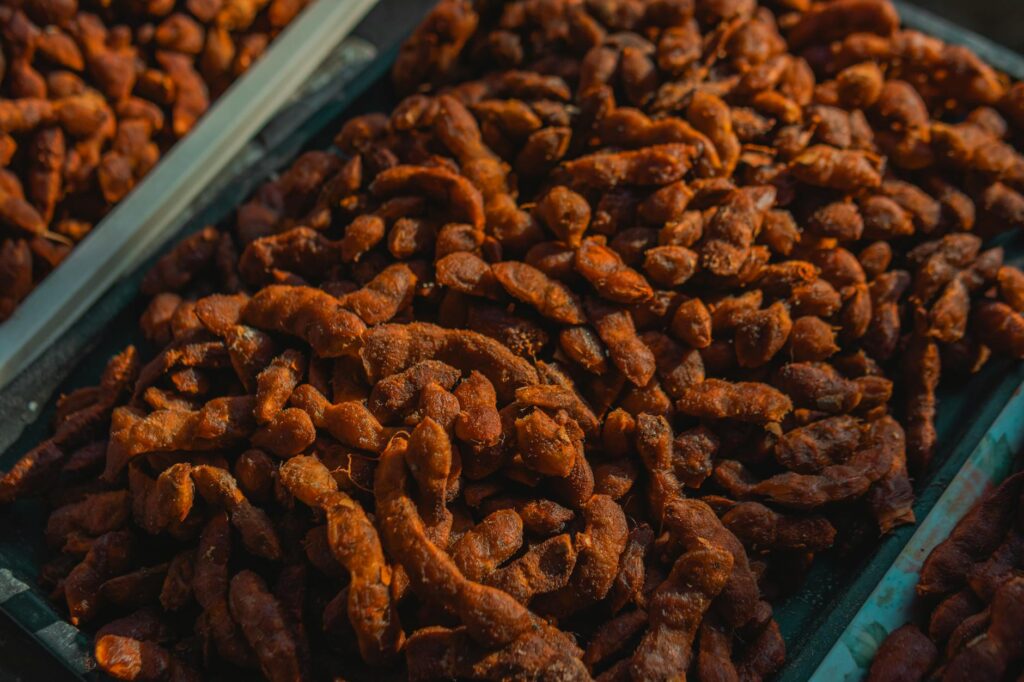
Does Tamarind Expire?
Introduction
Tamarind (Tamarindus indica), a tropical fruit known for its unique sweet and tangy flavor, has been a staple ingredient in various culinary traditions around the world. Often used in sauces, marinades, and beverages, tamarind has garnered attention not just for its taste but also for its versatility. However, like many food ingredients, questions arise regarding its longevity and whether it expires. This article delves into the intricacies of tamarind, exploring its uses, history, production, storage, and more, ultimately answering the question: does tamarind expire?
What Is Uses?
The term “uses” in the context of food ingredients refers to the various applications and preparations in which an ingredient can be utilized. Tamarind is particularly multifaceted, lending itself to a wide array of culinary uses, ranging from flavoring agents in sweet and savory dishes to natural preservatives in some cultures. Understanding the breadth of tamarind’s uses not only helps in appreciating its culinary value but also sheds light on how its storage and longevity can be managed effectively.
History and Origins
Tamarind is believed to have originated in Africa, with historical records suggesting its use as early as 4000 BC. The fruit later spread to the Indian subcontinent and Southeast Asia, where it became integral to local cuisines. The name “tamarind” is derived from the Arabic term “tamr hindī,” meaning “Indian date.” Over centuries, tamarind has traveled through trade routes, becoming popular in various cultures. Today, it is a crucial ingredient in Latin American, Asian, and Middle Eastern cuisines, valued for its distinctive flavor profile and culinary adaptability.
Production and Processing
Tamarind trees thrive in tropical and subtropical climates, primarily in India, Africa, and Southeast Asia. The fruit is harvested when the pods turn brown and are firm to the touch, typically occurring between November and March. After harvesting, the pods are processed by removing the outer shell and separating the pulp from the seeds. The pulp is then often packaged in various forms, including paste, concentrate, or dried pods, each suitable for different culinary applications. The processing methods can influence the flavor intensity and shelf stability of the final product, making it essential to understand these factors when purchasing tamarind.
Quality and Grading
Tamarind quality is assessed based on several factors, including color, texture, and moisture content. High-quality tamarind should have a rich, dark brown color, a smooth texture, and a sweet-sour aroma. Grading systems may vary by region, but generally, tamarind is categorized into grades based on these quality markers. When selecting tamarind, it is advisable to choose products with minimal additives or preservatives to ensure the best flavor and authenticity.
Buying Considerations
When purchasing tamarind, consumers should consider several factors to ensure they choose the best product for their needs. Look for tamarind that is organic and free from artificial additives, especially when selecting tamarind paste or concentrate. The packaging should be intact, and the expiration date should be checked to ensure freshness. Additionally, consider the form of tamarind that best suits your culinary intentions—whether as whole pods, paste, or concentrate.
Uses and Applications
Tamarind’s culinary applications are vast. In Indian cuisine, it is often used to create tangy chutneys and flavorful curries. Southeast Asian dishes like Pad Thai and various soups also incorporate tamarind for its distinctive sour note. In Latin America, tamarind is used in beverages such as agua de tamarindo and is often found in sauces and marinades for meats.
Beyond its culinary uses, tamarind has found applications in traditional medicine, cosmetics, and even as a natural dye. Its versatility extends to being a natural thickener in certain dishes, a flavor enhancer in beverages, and a key ingredient in various condiments. The multifaceted nature of tamarind makes it a valuable ingredient in both home and professional kitchens.
Storage and Shelf Life
The storage and shelf life of tamarind depend significantly on its form. Fresh tamarind pods can be stored at room temperature for a limited time, generally up to a few weeks. However, for longer storage, they should be kept in a cool, dry place or refrigerated. Tamarind paste, once opened, should be refrigerated and can last several months if stored correctly.
Dried tamarind, whether in pod or paste form, typically has a longer shelf life, often exceeding a year when kept in a sealed container away from light and moisture. It’s essential to check for any signs of spoilage, such as off odors or unusual textures, before use.
Common Misconceptions
One common misconception is that tamarind can be stored indefinitely without any degradation in quality. While dried tamarind has a long shelf life, it does not last forever. Over time, even dried tamarind can lose flavor and aroma, becoming less desirable for culinary applications.
Another misunderstanding is that tamarind paste is merely a concentrated form of tamarind without any variations in flavor. In reality, the processing and concentration methods can significantly affect the taste, making it crucial to select the right product for specific culinary needs.
Frequently Asked Questions
1. Does tamarind expire?
Yes, tamarind can expire. Its shelf life varies depending on its form—fresh pods have a shorter life, while dried tamarind can last longer if stored correctly.
2. How long can I store tamarind paste?
Once opened, tamarind paste can typically be refrigerated for several months. Always check for signs of spoilage before use.
3. Can I freeze tamarind?
Yes, tamarind can be frozen to extend its shelf life. It is advisable to portion it out in airtight