
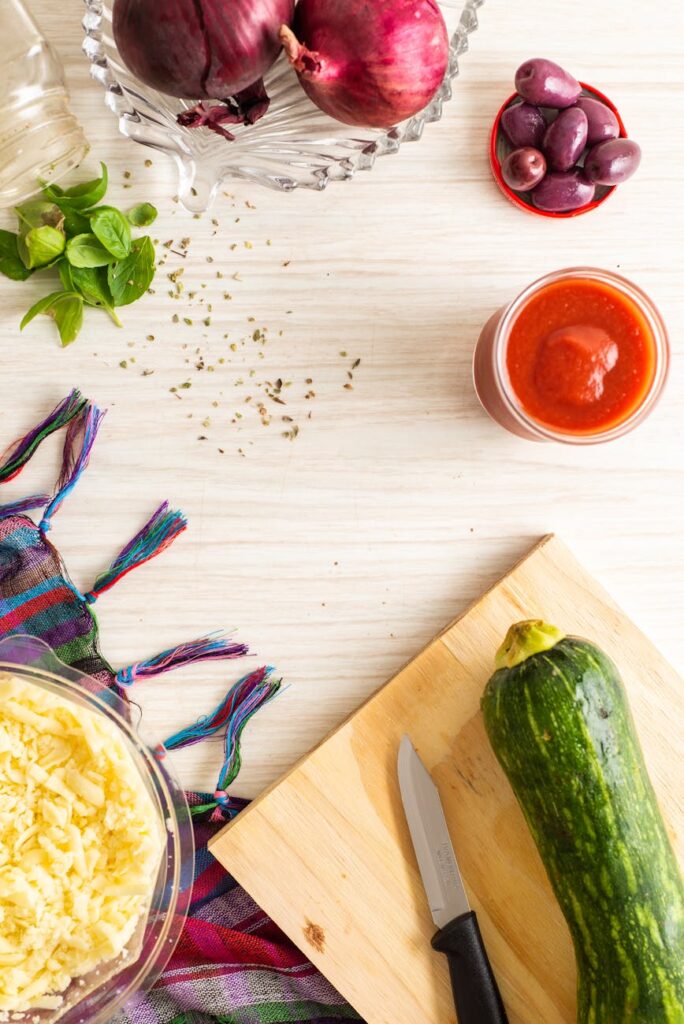
Does Zucchini Expire?
Introduction
Zucchini, a versatile summer squash, has gained immense popularity in kitchens around the globe. Its mild flavor and adaptable texture make it suitable for a wide variety of culinary applications. However, as with any fresh produce, understanding its shelf life and proper storage is crucial for both culinary enthusiasts and home cooks alike. This article delves into the various facets of zucchini, from its historical roots to its practical uses, as well as addressing the common question: does zucchini expire?
What Is Uses?
In the context of food ingredients, “uses” refers to the different applications and culinary functions that an ingredient can fulfill. Zucchini is celebrated not only for its culinary versatility but also for its nutritional profile. The ingredient can be utilized in numerous ways, including as a main component in dishes, as a thickening agent, or even as a substitute for more calorie-dense ingredients. Understanding the various uses of zucchini helps maximize its potential in the kitchen while minimizing waste.
History and Origins
Zucchini, scientifically known as Cucurbita pepo, is believed to have originated in Mesoamerica, where it was cultivated for thousands of years. The squash was introduced to Europe in the 16th century, where it gained popularity particularly in Italy. Over time, various cultivars of zucchini were developed, leading to the diverse types we see today, including green, yellow, and even striped varieties. Its ability to thrive in different climates has facilitated its global spread, making it a staple ingredient in many cuisines.
Production and Processing
Zucchini is predominantly grown in temperate regions, with the United States, Italy, and Mexico being leading producers. The crop requires warm weather and well-drained soil to flourish, making it a favorite in both commercial farms and home gardens. Harvesting typically occurs when zucchinis are still immature, resulting in a tender and flavorful vegetable.
Post-harvest, zucchini undergoes minimal processing. It is often sold fresh, though it can also be found in canned or frozen forms. The fresh market is particularly important for zucchini, as its flavor and texture are best enjoyed when consumed shortly after harvest.
Quality and Grading
Quality grading for zucchini generally considers factors such as size, shape, color, and the absence of blemishes or soft spots. In the United States, the USDA has established grading standards that classify zucchini into different categories, ranging from U.S. No. 1—indicating high quality—to lower grades that may feature imperfections. Consumers should look for zucchini that is firm, smooth, and free of discoloration to ensure the best flavor and texture.
Buying Considerations
When purchasing zucchini, whether at a supermarket or a farmer’s market, several factors should be taken into account:
1. Seasonality: Zucchini is typically in season from late spring through early fall. Opting for seasonal produce often guarantees better quality and flavor.
2. Size: Smaller zucchinis tend to be more tender and flavorful than larger ones, which can be seedy and watery.
3. Organic vs. Conventional: Consider whether you prefer organic zucchini, which is grown without synthetic pesticides and fertilizers, though the choice often depends on personal preference and budget.
4. Appearance: Look for zucchinis that are firm to the touch, with a vibrant skin color and minimal blemishes.
Uses and Applications
Zucchini’s culinary versatility is one of its most appealing attributes. It can be grilled, sautéed, roasted, or spiralized into noodles, making it a popular choice in various dishes.
1. Culinary Applications: Zucchini can be used as a base for ratatouille, incorporated into stir-fries, or served as a side dish. Its ability to absorb flavors makes it an excellent addition to soups and stews.
2. Substitutions: Zucchini is often used as a lower-calorie substitute for pasta, particularly in dishes like zucchini noodles (zoodles) or lasagna layers.
3. Baking: Grated zucchini is a common ingredient in baked goods, such as breads and muffins, where it adds moisture while cutting down on fat content.
4. Preservation: Zucchini can be pickled or canned, extending its shelf life and allowing for its use in an array of dishes even during off-seasons.
Storage and Shelf Life
Proper storage is crucial for maximizing the shelf life of zucchini. When stored correctly, fresh zucchini can last up to one week in the refrigerator. Here are some key guidelines for storage:
1. Refrigeration: Place zucchini in a perforated plastic bag in the vegetable crisper drawer, which helps maintain humidity while preventing moisture buildup.
2. Avoiding Ethylene Gas: Zucchini is sensitive to ethylene gas, which is emitted by fruits such as apples and bananas. Keeping zucchini away from these fruits can help prolong its freshness.
3. Freezing: If you have an abundance of zucchini, it can be blanched and frozen for later use. However, this may alter its texture, making it less suitable for certain fresh applications.
4. Signs of Spoilage: Zucchini should be discarded if it exhibits signs of spoilage, such as a mushy texture, excessive softness, or mold.
Common Misconceptions
Several misconceptions surround zucchini that can lead to confusion among consumers:
1. Zucchini is a Vegetable: While commonly treated as a vegetable, zucchini is botanically classified as a fruit because it develops from the flower of the zucchini plant.
2. Zucchini Must Be Cooked: While zucchini can be enjoyed cooked, it is also delicious raw and can be added to salads or eaten as a snack.
3. All Zucchini is the Same